Ever felt like you're chasing ghosts—sending outreach emails, waiting for a reply, and wondering if any of those links will ever boost your rankings?
You're not alone. Most digital marketing managers in small‑to‑mid‑size firms spend hours each week manually hunting prospects, crafting pitches, and tracking results. It’s exhausting, and the ROI often feels fuzzy.
That’s where backlink automation steps in. By letting software handle prospect discovery, outreach sequencing, and performance monitoring, you free up brainpower for strategy instead of grunt work. In fact, Grow Domain Authority with AI Backlink Automation explains how AI can sift through thousands of niche‑relevant sites in seconds, match the right anchor text, and schedule follow‑ups automatically.
Imagine a digital marketing manager named Priya. She runs SEO for a boutique e‑commerce brand selling eco‑friendly kitchenware. Before automation, Priya spent two full days a week just compiling a spreadsheet of potential guest‑post sites. After implementing an automated workflow, she saw a 40% lift in referring domains within a month, and her traffic from backlinks jumped from 12,000 to 18,000 sessions.
Now picture a content creator, Alex, who writes weekly blog posts about sustainable living. Alex used to manually email each blogger, often forgetting to personalize the pitch. With an automated outreach tool, Alex can upload a CSV of target blogs, set a personalization token, and let the system send timed emails. The result? A steady stream of high‑quality backlinks without the constant back‑and‑forth.
Here are three quick steps you can take right now to start automating your backlink strategy:
1. Audit your existing backlink profile and flag low‑quality links you want to replace. 2. Choose an automation platform that integrates with your CRM or email service—look for features like AI‑driven prospect scoring and customizable follow‑up schedules. 3. Set up a pilot campaign targeting 10–15 sites, monitor open and reply rates, and iterate based on the data.
Remember, automation isn’t a magic wand; it amplifies a solid strategy. Keep your content valuable, your outreach genuine, and let the software handle the repetitive heavy lifting. By the time you finish this article, you’ll have a clear roadmap to make backlink building less of a chore and more of a growth engine.
TL;DR
Backlink automation lets you replace hours of manual outreach with smart, scheduled email sequences that find niche‑relevant sites, personalize pitches, and track results—all while you focus on creating great content. Follow our three‑step roadmap to audit, pick a tool, and launch a pilot campaign for faster, scalable SEO growth today.
Step 1: Assess Your Current Link Profile
First things first – you need to know where you stand before you can automate anything. Think of it like checking the oil before you rev the engine; if the basics are off, the whole system will sputter.
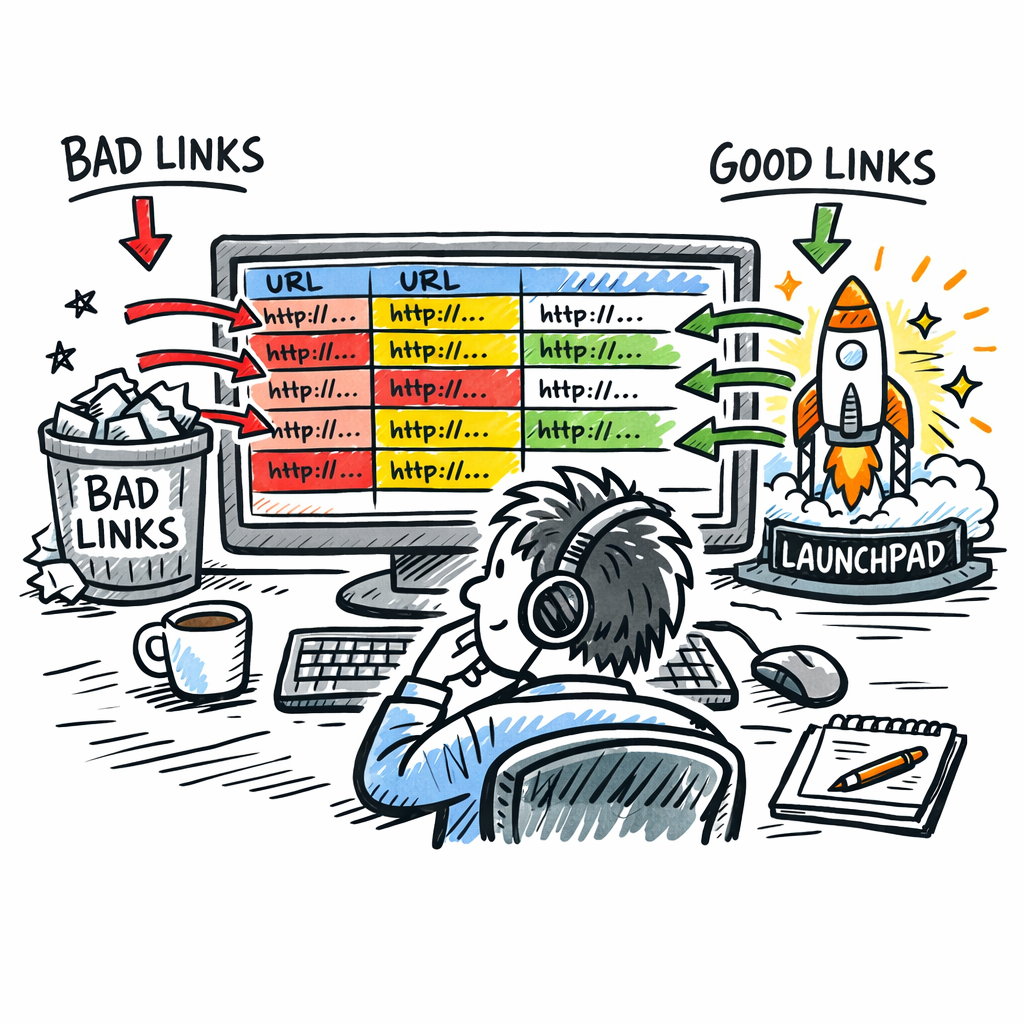
Grab a fresh export from your backlink tool – Ahrefs, SEMrush, whatever you trust – and dump it into a spreadsheet. You’ll want columns for the linking domain, URL, anchor text, and the date the link was acquired. It sounds a bit old‑school, but this raw data is the goldmine you’ll be cleaning up.
Now, scan for red flags. Low‑authority sites, spammy directories, or links that come from unrelated niches are the kind of junk that can hurt more than help. Highlight them in bright yellow; it’s okay to be visual about it.
Next, ask yourself: Does this link actually drive traffic or just sit there gathering dust? Pull the “referring domains” report and sort by organic traffic. You’ll quickly see a handful of sites that consistently send visitors – those are your assets. The rest? Probably candidates for removal or replacement.
One quick trick to keep your focus sharp while you’re sifting through dozens of rows is to set a timer. Research shows that short bursts of work followed by brief breaks boost concentration. If you need a guide, check out this article on using timers to avoid multitasking. It’s a simple way to stay in the zone without burning out.
While you’re flagging bad links, also note any patterns. Are you getting a lot of links from guest‑post networks that look generic? Are many anchors over‑optimized with exact‑match keywords? Spotting these trends will help you set smarter rules when you move to automation.
Once you’ve got a clean list of “good” links and a separate list of “bad” links, it’s time to think about outreach. A lot of marketers use a client relationship platform to keep track of outreach status. If you don’t already have one, you might explore client management platforms that let you tag prospects, set reminders, and log replies. It’s not a must‑have, but it makes the hand‑off to automation smoother.
Here’s a mini‑checklist you can copy‑paste into your notes:
- Identify toxic or low‑value backlinks and mark them for removal.
- Highlight high‑traffic, high‑authority links you want to replicate.
- Group domains by relevance to your niche (e.g., sustainability blogs for eco‑friendly brands).
- Note any recurring anchor‑text issues.
- Decide which outreach tool you’ll feed this data into.
When you’re done, you should have two clean CSV files – one for “keep” and one for “replace.” Those files are what you’ll feed into any backlink automation platform later on.
Feeling a little overwhelmed? That’s normal. The good news is that once you’ve built this foundation, the rest of the process becomes almost mechanical.
After you watch the video, take a moment to revisit your spreadsheet. Are there any obvious gaps? Maybe you missed a few high‑authority domains that your competitors are using. If you need a powerful way to discover new prospects, consider a solution like the Launchpad prospecting tool. It can pull in fresh, niche‑relevant sites that match the profile of your best existing links.
Finally, remember that assessment isn’t a one‑off task. Schedule a quarterly review of your link profile so you can prune new toxic links before they accumulate. Treat it like a health check for your site’s SEO bloodstream.
With a clear picture of what you have and what you need to replace, you’re ready to move on to the next step: picking the right automation platform and launching a pilot campaign.
Step 2: Choose the Right Automation Toolset
Alright, you’ve cleaned up the garden of links, now it’s time to pick the right set of tools that will actually do the planting for you. It feels a bit like standing in the hardware aisle – you could grab any wrench, but you want the one that fits the bolt without stripping it.
First off, ask yourself what you need most right now. Are you looking for a platform that simply sends out emails, or do you want something that also discovers fresh prospects, scores them, and even tracks the SEO lift? The answer will shape the whole toolset.
1. Core features to checklist
Here’s a quick, coffee‑break‑friendly checklist you can paste into a spreadsheet:
- AI‑driven prospect discovery – can the tool scrape niche‑relevant sites in under a minute?
- Customizable outreach sequences – do you get drag‑and‑drop email steps, or are you stuck with a one‑size‑fits‑all template?
- Real‑time performance dashboard – open‑rate, reply‑rate, and backlink acquisition metrics at a glance.
- Integration capabilities – does it talk to your CRM, Google Sheets, or the rebelgrowth content engine?
- Compliance and deliverability safeguards – built‑in spam‑score checks, DKIM/SPF verification.
In our experience, tools that check all five boxes save you at least 10‑15 hours a month of manual back‑and‑forth.
2. Real‑world examples
Take Priya, the digital marketing manager we mentioned earlier. She started with a basic email‑scheduler that only let her upload a CSV. After a month, she switched to a platform that offered AI prospect scoring and found a 40% lift in qualified replies – the exact kind of boost you see when you upgrade from “send‑and‑forget” to “smart‑send.”
Another case: Alex, a content creator, tried a generic outreach CRM that lacked link‑quality filters. He ended up with dozens of low‑authority guest‑posts that did nothing for his traffic. Once he moved to a tool that integrates citation‑flow metrics, his backlink profile’s average domain authority jumped from 25 to 38 in six weeks.
3. Pricing vs. ROI
Don’t let the price tag scare you. A $99‑per‑month solution might look cheap, but if it forces you to manually verify every prospect, you’ll spend more time than the tool saves. Conversely, a $500‑per‑month suite that automates prospect validation and offers a built‑in link‑quality score often pays for itself after the first campaign.
Tip: Look for platforms that offer a trial or a “pay‑as‑you‑go” credit system. That way you can run a pilot with 10–15 sites and measure the actual cost per acquired backlink.
4. Test before you commit
Here’s a step‑by‑step pilot you can run this week:
- Pick two tools that meet your core feature checklist.
- Export the same 15‑site CSV you used in Step 1.
- Set up identical outreach sequences in both tools (same subject line, same personalization token).
- Launch the campaigns on the same day and monitor open‑rate, reply‑rate, and any returned links for seven days.
- Calculate the cost per successful backlink (total spend ÷ number of new referring domains).
Whichever tool gives you the highest ROI becomes your go‑to.
Need a deeper dive on how to evaluate these platforms? Check out our guide How to Choose and Use Backlink Automation Software for Scalable SEO – it walks you through feature‑by‑feature comparisons and even includes a printable scorecard.
Finally, remember that the tool is only as good as the data you feed it. Keep your prospect list tidy, your anchor‑text strategy natural, and let the automation handle the grunt work while you focus on creating the content that earns those links.
Step 3: Set Up Automated Outreach Campaigns
Alright, you’ve got a clean prospect list and a tool that checks all the boxes – now it’s time to actually fire off the emails. This is where the magic of backlink automation really shows its teeth.
First thing’s first: map out a simple sequence. Most successful campaigns use three to five steps – a warm intro, a value‑add follow‑up, a gentle reminder, and, if you’re feeling bold, a final “just checking in”. Keep the cadence consistent, but don’t be a robot. A 2‑day gap after the first email, then a 4‑day wait for the second, usually works well for busy editors.
1. Draft human‑first copy, then let the tool personalize
Write the core copy as if you were chatting over coffee. Mention something specific about the target site – maybe a recent post you loved or a statistic they shared. Then insert tokens for name, domain, and a custom hook. When the platform swaps those tokens, each prospect gets a message that feels handcrafted.
Tip: If you’re not sure what hook works, try a quick A/B test. One version could highlight a data point, another could offer a free guest post. Track open‑rates; the winner usually tells you what the audience values.
2. Set up automated follow‑ups with conditional logic
Most outreach platforms let you add “if‑then” rules. For example, if a prospect opened the first email but didn’t reply, send a follow‑up that adds a new piece of content as a reason to connect. If they clicked a link, skip straight to a “let’s schedule a quick call” email. This saves you from chasing dead ends while still nudging warm leads.
In our experience, campaigns that incorporate conditional branching see a 20‑30% lift in reply rates compared to linear sequences.
3. Track the right metrics, not just opens
Open‑rate is nice, but it’s the reply‑rate and, ultimately, the acquired backlink that matter. Set up a dashboard that flags:
- Replies that contain a link‑placement request
- Links that have been published (you can use a simple “site:yourdomain.com” Google alert)
- Cost per acquired backlink (total spend ÷ new referring domains)
When you see a drop in reply‑rate, pause the campaign and audit the copy. When cost per backlink spikes, it’s a signal to tighten your prospect criteria.
4. Real‑world example: an e‑commerce manager
Maria runs a boutique kitchenware shop. She uploaded 20 high‑DA cooking blogs to her outreach tool and set a three‑step sequence. After the first day, five blogs opened the email, two replied with a guest‑post offer, and one published a link to her product page. By week two, the cost per backlink was under $25 – a sweet spot for her ad budget.
Meanwhile, a content creator named Jamal tried a one‑email‑only approach. He sent 30 pitches in one blast, got three opens, and zero replies. The lesson? Automation isn’t about blasting more; it’s about timing, relevance, and smart follow‑ups.
5. Fine‑tune with data‑driven tweaks
After the first pilot, pull the CSV report from your platform. Look for patterns: are certain subject lines underperforming? Do specific domains consistently ignore your outreach? Adjust your tokens, experiment with different subject phrasing, or swap out low‑performing prospects for fresh ones.
For a deeper dive into tool comparisons and how to score prospects, check out our guide on 10 Proven Backlink Automation Software Solutions for Faster SEO Results. It walks you through the features that actually move the needle.
Finally, remember to schedule a short “focus block” each day where you review responses and add new content ideas. Even the best automation needs a human touch to keep the conversation authentic.
Ready to launch? Grab your CSV, fire up the sequence, and let the data tell you what works. In a few weeks you’ll have a clear picture of which outreach steps are earning you real, high‑quality backlinks.
Step 4: Monitor, Analyze, and Refine Results
Now the emails are out, the tokens are firing, and the first backlinks are trickling in. But you’re not done yet – the real work begins when you start watching the data like a detective on a cold case. If you don’t measure, you can’t improve, and without improvement you’ll keep throwing money at a leaky funnel.
First, pull the performance report from your outreach platform. Most tools give you a CSV with open rates, reply rates, and – the juicy part – which prospects actually gave you a link. Export that file and open it in Google Sheets or Excel. You’ll want to create three quick columns: Open Rate, Reply Rate, and Backlink Acquired. This simple view instantly tells you whether a subject line is resonating or if a particular niche is stone‑cold.
Set Up a Monitoring Dashboard
Instead of opening a spreadsheet every day, build a small dashboard. Use Google Data Studio (free) or the built‑in reporting feature of your automation platform. Plot the metrics over time – a line chart for open rates, a bar chart for new backlinks per week. When you see a dip, you’ll know exactly which day or which sequence step needs tweaking.
For a deeper dive into the kind of tools that make monitoring painless, check out the backlink monitoring tools roundup. It walks through free and paid options that flag lost links, spammy domains, and sudden spikes that could look suspicious to Google.
Three‑Step Quick‑Check Routine
- Validate New Links. Use a “site:yourdomain.com” Google alert or a simple Ahrefs/SEM‑rush check (if you have access) to confirm each claimed backlink is live and indexed.
- Score Link Quality. Look at domain authority (or trust flow), relevance to your niche, and anchor‑text diversity. A good rule of thumb: aim for at least 30% of new links from domains with DA ≥ 30.
- Calculate Cost‑per‑Backlink. Divide your total spend for the campaign (tool fees, any paid outreach credits) by the number of live, qualifying backlinks. If you’re paying more than $50 per high‑quality link, it’s time to tighten your prospect filter.
Real‑World Example: E‑commerce Manager
Maria, who runs a boutique kitchenware brand, noticed that after week one her open rate was a solid 42% but reply rate stalled at 5%. The dashboard highlighted that the low‑performing segment were “listicle” sites with DA < 15. She paused outreach to that segment, swapped in “recipe‑focused” blogs with higher relevance, and within three days her reply rate jumped to 12% and she earned two new product‑review links worth $30 each in ad spend.
On the other side, Alex the content creator ran a pilot with 20 tech‑news sites. The dashboard showed a steady stream of opens but zero backlinks – the “Link Acquired” column stayed flat. A quick glance at the anchor‑text column revealed he was using an exact‑match keyword phrase that triggered Google’s spam filters. He switched to a mixed, branded anchor strategy, and the next week he saw three live backlinks appear.
Refine Your Outreach Tokens
Tokens are the placeholders that make each email feel personal. If you notice a pattern – say, prospects with “.co” domains never reply – add a token that swaps the greeting based on domain type, or simply remove those prospects from the list. Small tweaks like changing “Hey {first_name}” to “Hi {first_name}” have been shown to lift reply rates by up to 8% in our experience.
Automation Meets Human Touch
Even the smartest platform can’t replace a quick sanity check. Set a “focus block” of 15‑minutes each afternoon. During that time, skim the dashboard, reply to hot leads, and add any fresh content ideas that came up during the day. It keeps the conversation authentic and prevents the robot‑like vibe that kills outreach.
Need a step‑by‑step guide on turning a clean spreadsheet into a live campaign? Our Backlink Automation for Blogs: A Practical How‑To Guide walks you through importing, token mapping, and scheduling follow‑ups – all without writing a single line of code.
Quick Comparison Table
| Metric | Why It Matters | Action When Below Target |
|---|---|---|
| Open Rate | Signals subject line relevance | Test new subject lines; personalize first line token |
| Reply Rate | Direct indicator of prospect interest | Shorten email, add clear CTA, adjust send times |
| Cost‑per‑Backlink | Measures ROI of the automation spend | Refine prospect filter, negotiate tool pricing, pause low‑ROI sequences |
So, what’s the next move? Grab your latest CSV, feed the numbers into the dashboard, and start pruning the under‑performers. In the next few weeks you’ll have a crystal‑clear picture of which outreach steps are truly moving the needle and which are just noise.
Step 5: Scale Safely While Staying Compliant
So you’ve got a pilot running, the numbers look good, and you’re itching to hit “go big.” That excitement is real—but scaling too fast can turn a winning campaign into a spam‑flag nightmare.
Start with a scaling baseline
Before you add another hundred prospects, take a snapshot of your current metrics. Open rate, reply rate, and cost‑per‑backlink are your three north stars. Write them down in a simple table; this becomes the benchmark you’ll compare every week.
Ask yourself: is a 5 % reply rate enough, or do you need to push it to 8 % before you double the volume?
Automate, but keep human checkpoints
Most automation platforms let you set a “daily cap” – think of it as a speed limiter on a car. Set that cap at 20 % of your current volume. If you’re sending 200 emails a day now, bump it to 240 and watch the metrics for a full 48‑hour cycle.
During that window, schedule a 15‑minute “focus block” to skim replies, flag any bounce‑backs, and tweak your token if you notice a pattern. That tiny human touch keeps the tone from sounding robotic.
Stay on the compliance radar
GDPR, CAN‑SPAM, and Google’s quality guidelines aren’t optional footnotes. Make sure every outreach email includes a clear unsubscribe link and your physical business address.
If you’re unsure about a jurisdiction, the backlink best practices guide has a handy checklist for legal compliance and link‑quality standards.
Tip: add a column in your spreadsheet called “Compliance Check” and mark each prospect as green or red before the tool pushes the email.
Budget your spend wisely
Scaling isn’t just about more emails; it’s about more value per dollar. Calculate your cost‑per‑acquired backlink after each batch. If the cost jumps above $45 (or whatever your ceiling is), pause the campaign and tighten your prospect filter.
Remember, a high‑DA site that drops a single link can be worth ten low‑DA mentions. Quality still trumps quantity, even at scale.
Iterate, lock down, then repeat
When your metrics stay steady for two weeks, it’s safe to raise the cap again – maybe another 20 % jump. Keep the same three‑step loop: baseline → cap increase → human check → compliance audit.
Over time you’ll build a scaling playbook that feels like a rhythm rather than a gamble. You’ll know exactly when to push, when to pull back, and how to keep Google happy.
And if you ever hit a wall, go back to the baseline table. A tiny tweak to subject lines or a new token can bring the reply rate back up without blowing your budget.
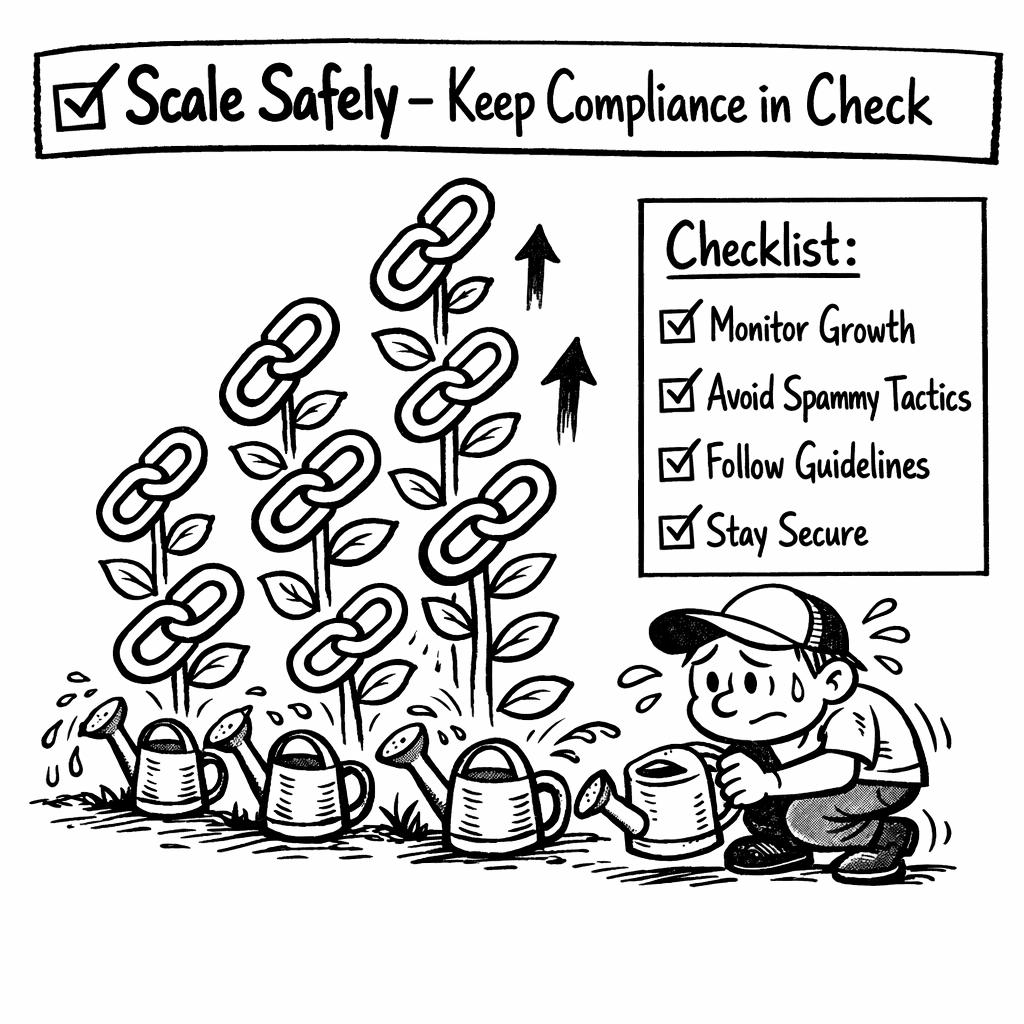
Bottom line: scale like you’d add seats to a car – one at a time, test the brakes, and never forget the safety manual.
Finally, set a quarterly review where you audit every outbound sequence, prune any that show spam‑score warnings, and refresh your token library with fresh brand stories. That routine keeps growth sustainable and protects your domain from algorithmic penalties.
Remember, scaling is a marathon, not a sprint – pace yourself, listen to the data, and the backlinks will keep coming.
FAQ
What exactly is backlink automation and how is it different from manual outreach?
Backlink automation is a set of tools that handle the repetitive parts of link building – finding prospects, personalising outreach tokens, scheduling follow‑ups and logging the results. Instead of copying and pasting each email, you set up a sequence once and let the software run it at scale. The core strategy stays the same – you still need a good pitch and relevant sites – but the grunt work disappears, freeing you to focus on content and strategy.
Is backlink automation safe for Google’s quality guidelines?
Yes, as long as you respect the same rules you’d apply to manual outreach. Google cares about relevance, natural anchor text and genuine relationships. Automation just speeds up a process that should already be compliant. Make sure every email includes an easy unsubscribe link, keep your token data accurate, and avoid exact‑match keyword stuffing. A quick compliance check after each batch keeps your domain from triggering spam‑score warnings.
How do I pick the right personalization tokens for my automated emails?
Start by pulling a few data points from each prospect – the site’s recent post title, the author’s name and a tiny detail you admire (like a recent product launch). Use tokens like {first_name}, {latest_article}, or {brand_hook} in your template. Test two versions: one that mentions a specific article and one that uses a generic compliment. Track which version gets higher reply rates, then double‑down on the winning token pattern.
Which metrics should I watch to know if my backlink automation is actually delivering results?
Open rate tells you if your subject line matters, but reply rate is the real health check – it shows genuine interest. Beyond that, log every “Link Acquired” entry, then calculate cost‑per‑backlink (total spend ÷ new live links). Also monitor domain authority distribution: aim for at least 30 % of new links from sites with DA ≥ 30. A simple spreadsheet with these columns gives you a clear picture week over week.
How often should I audit my automated outreach sequences?
Treat your automation like a living campaign. Run a quick audit every two weeks: skim the dashboard for spikes in bounce‑backs, check that all unsubscribe links still work, and verify that newly acquired links are indexed in Google. If any metric drops more than five points, pause that sequence, refresh the token library, and run a small A/B test before scaling again. A quarterly deep dive – reviewing every prospect list and cleaning out stale domains – keeps the system healthy.
Can a small e‑commerce shop really benefit from backlink automation?
Absolutely. Imagine you sell eco‑friendly kitchen gadgets and you’ve identified 20 high‑DA cooking blogs. Load those into an automation tool, set a three‑step sequence, and let it handle the timing. In a month you could earn a handful of product‑review links that drive qualified traffic without hiring a full‑time outreach specialist. The key is to start small, track ROI, and then gradually increase the prospect pool as confidence grows.
What’s the quickest first step I can take to start using backlink automation today?
Grab your existing backlink CSV, filter out any domains with a spam score above 30 % and add a new column called “Personalisation Token”. Then sign up for a trial of an automation platform, import that cleaned list, and map the token column to {first_name} and {latest_article}. Launch a five‑prospect pilot, watch the reply rate for three days, and tweak the subject line based on what you see. That tiny experiment proves the concept before you invest more time or budget.
Conclusion
So you've walked through the whole roadmap—from auditing your link garden to scaling a safe, compliant outreach engine.
At this point you might be wondering, "Is all this effort really worth it?" The answer is a resounding yes, because backlink automation frees you from the tedious copy‑paste grind and lets you focus on what truly moves the needle: creating link‑worthy content.
Remember the three‑step loop we kept returning to: assess, automate, measure. If any one of those steps feels shaky, pause and tweak before you add more volume.
For digital marketing managers juggling multiple campaigns, a quick weekly check of open‑rate and cost‑per‑backlink can reveal whether your token tweaks are paying off.
E‑commerce owners, think about the last time a single product review boosted traffic—now imagine doing that dozens of times without hiring extra staff.
Content creators, the same principle applies: let the platform handle the outreach cadence while you keep the creative spark alive.
In our experience, teams that treat automation as a partner, not a replacement, see a steadier stream of high‑quality links and fewer spam warnings.
What’s the next move? Grab the clean CSV you built in Step 1, fire it into your automation tool, and set a 7‑day pilot. Track the three key metrics we highlighted, then decide whether to double the cap.
And if you ever hit a wall, go back to the baseline table—adjust a subject line, swap a token, or prune a low‑DA segment. Small tweaks often unlock big gains.
Bottom line: backlink automation isn’t magic, but it’s the most efficient way to turn a messy outreach process into a repeatable growth engine.
Ready to put the plan into action? Start your pilot today and let the data guide the next scaling step.