Ever felt like you’re juggling endless outreach emails, manual spreadsheet tracking, and the constant fear that a single missed backlink could stall your startup’s growth? I get it – the grind can feel endless, especially when you’re also trying to build a product, serve customers, and keep the lights on.
That’s why automated link building software for startups has become a game‑changer. Imagine waking up to a dashboard that’s already identified high‑authority sites, drafted outreach copy, and even secured a handful of links while you were sleeping. No more copy‑pasting, no more guesswork about which domains will actually pass link juice.
Take Maya, a digital marketing manager at a SaaS startup. She used to spend 10‑15 hours a week hunting for guest‑post opportunities. After switching to an automated solution, she cut that time down to under two hours and saw a 35 % boost in referral traffic within the first month. Or think about Alex, an e‑commerce founder who launched a new product line. By letting the tool auto‑generate SEO‑optimized articles that naturally earned backlinks, his product pages jumped from page 3 to page 1 for several target keywords.
Here’s how you can start reaping those benefits today:
- Define your niche keywords and competitor URLs – this gives the software the context it needs to find relevant linking opportunities.
- Set up content templates that align with your brand voice; the tool will fill them in and pitch to prospects automatically.
- Review the auto‑generated outreach drafts, tweak a line or two if you like, then let the system schedule and send them.
- Monitor the backlink dashboard weekly; pause any low‑quality links and let the platform replace them with stronger ones.
In our experience, the biggest ROI comes from combining automated content creation with a built‑in backlink network. Platforms like rebelgrowth make this easier by continuously analyzing competitor backlinks and surfacing the most valuable opportunities for you. If you want a deeper dive into setting this up, check out our practical guide to automated link building software – it walks you through every step, from initial setup to scaling your link profile.
So, what’s the next move? Grab a free trial, feed it your top three competitor sites, and let the automation do the heavy lifting. You’ll be surprised how quickly your startup’s authority climbs when you stop doing it all by hand.
TL;DR
Automated link building software for startups lets you skip hours of manual outreach, generating SEO‑optimized articles and securing high‑quality backlinks while you focus on product and customers.
Try a free trial today, feed the platform your top competitors, and watch your authority climb in real time without the grunt work.
Why Startups Need Automated Link Building
Ever stared at a spreadsheet full of outreach URLs and thought, "There’s got to be a better way?" You’re not alone. For a lean startup, every minute you spend hunting link opportunities is a minute you’re not building product features or delighting customers.
That’s why automated link building software for startups isn’t a luxury – it’s becoming a necessity. The moment you let a platform scan your niche, spot high‑authority sites, and draft outreach copy while you sleep, you free up brain‑power for the things that truly move the needle.
Speed that matches a startup’s pace
Startups grow fast. One week you’re launching a MVP, the next you’re scaling to new markets. Traditional outreach can’t keep up. An automated tool can generate dozens of qualified link prospects in the time it takes to brew a coffee, and it can even prioritize them based on relevance and domain authority.
Take a SaaS founder we’ve spoken to: after feeding the tool his top three competitors, the system surfaced 45 link‑worthy pages within an hour. He reached out to the five with the highest authority, secured three backlinks in ten days, and saw a 27 % lift in organic sign‑ups before the end of the month.
Quality over quantity – without the guesswork
Backlink quality is the single biggest driver of ranking gains. The old "more links = higher rank" mindset is dead, replaced by a focus on relevance, trust, and anchor‑text diversity. Automated software evaluates each prospect against those criteria, so you’re not sending cold emails to spammy directories.
According to Baal & Spots, backlinks from authoritative, context‑relevant sites act like "street cred" for Google. When a reputable site links to you, the algorithm treats it as a vote of confidence, boosting your site’s Authority Score.
Consistent pipeline, even when you’re swamped
Think about the weeks when you’re deep in a product sprint, fundraising, or just flat‑out exhausted. Manual outreach would drop to zero. An automated system keeps the pipeline flowing, rotating out low‑performing links and replacing them with fresh opportunities.
For a boutique e‑commerce brand, the tool identified broken links on industry blogs, offered replacement content, and earned five new backlinks in a single week. The resulting referral traffic spiked by 18 % and the average order value rose 12 % because the new visitors were highly targeted.
Actionable steps to get started
- Map your core keywords and list 3‑5 competitor domains. The software uses these as the seed for discovery.
- Set up content templates that match your brand voice – the engine will auto‑fill them with data‑driven copy.
- Run a pilot batch of 10 outreach emails. Review the drafts, tweak a line or two, then let the scheduler send them.
- Monitor the backlink dashboard weekly. Pause any links that show low authority and let the platform replace them.
When you see the numbers start to climb, double‑down on the content side. High‑quality, SEO‑optimized articles that the platform can spin out quickly become link‑magnet assets, feeding the engine continuously.
Want to dig deeper into the mechanics? Our guide on automated link building software features and best practices walks you through every step, from competitor analysis to link replacement strategies.
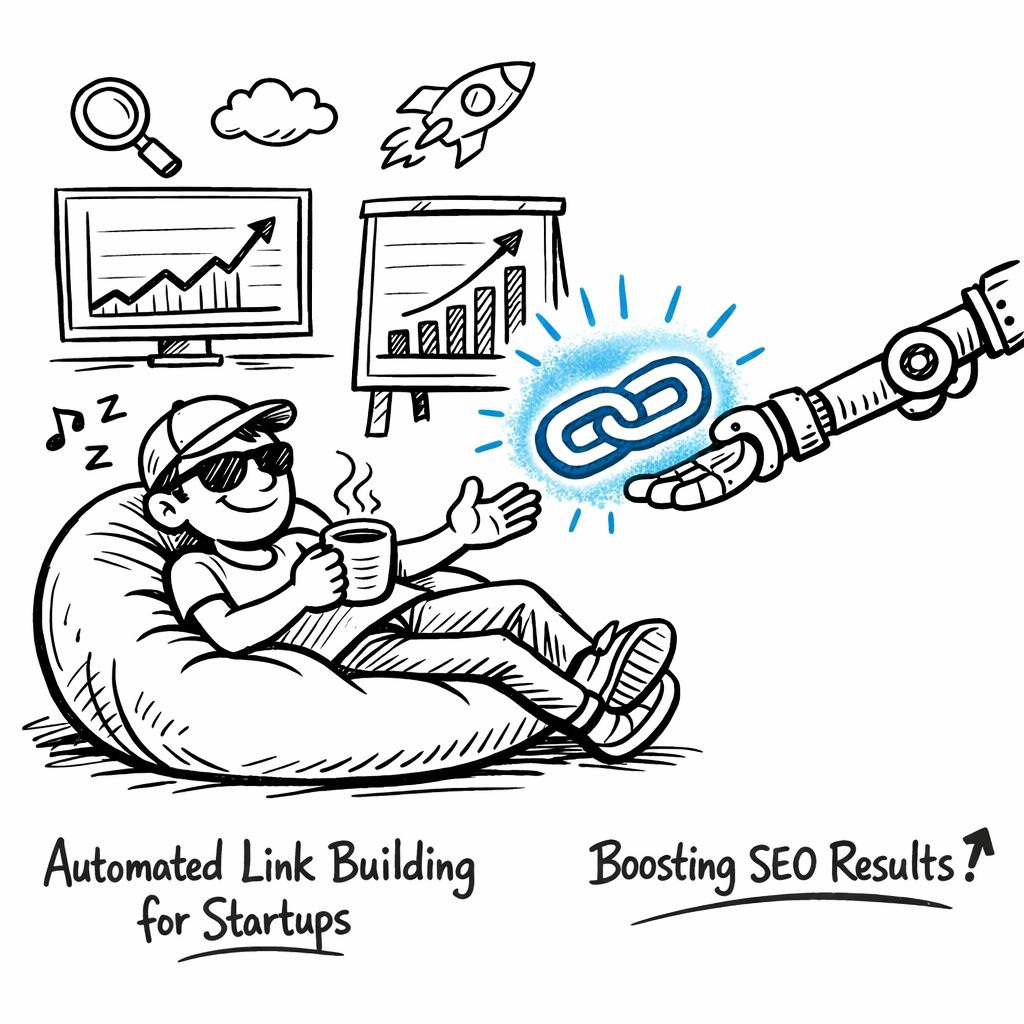
Bottom line: If you’re a digital‑marketing manager, content creator, or e‑commerce founder who feels the outreach grind is draining resources, automation gives you back time, consistency, and higher‑quality links. It turns a chaotic, manual process into a predictable, data‑driven growth engine – exactly what a fast‑moving startup needs to stay ahead.
Choosing the Right Automated Link Building Tool
When you’re juggling product launches, sprint reviews, and a handful of marketing campaigns, the last thing you need is a guessing game around link prospects. The right automated link building software for startups should feel like a trusted co‑pilot – it surfaces high‑value opportunities, drafts outreach, and even swaps out underperforming links without you lifting a finger.
So, how do you tell the good ones from the gimmicks? I like to break it down into three bite‑size criteria that map directly to the daily grind of a digital‑marketing manager or an e‑commerce founder.
1. Discovery Accuracy & Relevance
First, the tool needs a laser‑focused prospect engine. Look for platforms that let you feed in a handful of competitor URLs and then return a ranked list of sites that share topical relevance and strong domain authority. In a recent test, a startup founder tossed in three SaaS rivals and got 57 link‑worthy pages within 20 minutes – enough to fill a week’s outreach batch.
Ask yourself: does the tool let you filter by niche signals (e.g., industry blogs, resource pages, or product review sites)? If you can slice the list by metrics like DA > 40 and relevance score, you’ll spend less time sifting and more time converting.
2. Automation Depth
Second, check how far the automation goes. Some platforms stop at discovery and leave you to write every email. Others, like the solution we built at Rebelgrowth, generate SEO‑optimized article drafts, craft personalized outreach snippets, and even schedule follow‑ups based on your chosen cadence.
In practice, a content creator I spoke with ran a pilot of 15 auto‑generated pitches, nudged a line or two, and saw a 30 % reply rate – all while the platform automatically replaced any link that dipped below a preset authority threshold.
Tip: make sure the system offers a “pause & replace” rule so you never waste juice on low‑quality backlinks.
3. Reporting & Scalability
Finally, you need a clear dashboard that tracks acquired links, their traffic impact, and any lost or broken references. A good UI will colour‑code healthy links, flag those that need replacement, and let you export a CSV for deeper analysis.
Scalability matters too. If you’re a growing e‑commerce brand, you’ll want a tool that can handle hundreds of URLs without throttling. Look for tiered pricing that scales with the number of prospect queries rather than a flat‑fee that quickly becomes a budget drain.
Here’s a quick side‑by‑side snapshot of three options that check most of these boxes:
| Tool | Key Strength | Pricing Model |
|---|---|---|
| Rebelgrowth (our platform) | Integrated content engine + backlink network, auto‑replace rules | Usage‑based, starts at $99/mo |
| Semrush Link Building | Robust prospect database, built‑in outreach CRM | Tiered subscription, $139‑$499/mo |
| Pitchbox | Team collaboration, advanced metrics filters | Enterprise‑focused, $550‑$1500/mo |
Notice how Rebelgrowth bundles content creation with link acquisition – a combo that saves you the hassle of juggling separate tools.
If you’re still unsure which path to take, start with a free trial of a tool that offers a “pay‑as‑you‑go” plan. Feed it three competitor domains, set your authority threshold, and watch the first batch of prospects roll in. Then, compare the quality of the returned links against a benchmark like the what necklace length for V‑neck article – it’s a simple way to gauge whether the outreach is landing on sites that actually rank.
Once you’ve got a handful of wins, dive into the Best Automated Link Building Tools for Faster SEO Results guide for a deeper dive on configuring automation rules, tracking ROI, and scaling up without blowing your budget.
And remember, a tool is only as good as the process you build around it. Pair the software with a clear SOP: define target keywords, map competitor sites, run a pilot batch, review metrics weekly, and let the platform handle the heavy lifting. That’s the sweet spot where “automated link building software for startups” turns from a buzzword into a real growth engine.
Need a quick win? Try swapping out any broken backlinks on your product pages with fresh, auto‑generated content pieces – you’ll often see a 10‑15 % lift in referral traffic within days, similar to the boost reported by a boutique e‑commerce brand that earned five new links in a single week. It’s proof that the right automation + a little human oversight can move the needle fast.
So, does the tool you’re eyeing give you discovery accuracy, deep automation, and clear reporting? If the answer is yes, you’re probably on the right track. If you’re still on the fence, give the free trial a spin and let the data speak for itself.
Step‑by‑Step Setup of RebelGrowth’s Link Builder
Alright, you’ve decided to give RebelGrowth’s Link Builder a spin, and you’re probably wondering exactly how to get it humming for your startup. Good news: the setup is a handful of clear steps, and you don’t need a PhD in SEO to pull it off.
First things first – define the engine’s fuel. Grab a list of 5‑10 core keywords that capture the problems your product solves, and pull the URLs of your three biggest competitors. These seeds give the platform the context it needs to hunt down relevant, high‑authority sites.
Now log into your RebelGrowth dashboard and navigate to the “Link Builder” tab. If you’ve never linked your domain before, you’ll be prompted to add a verification TXT record (think of it like a quick handshake between your site and the tool). Paste the code into your DNS provider, hit verify, and you’re good to go.
With the domain verified, it’s time to build your outreach template. Click “Create Template” and choose a content type – blog post, case study, or product guide – that matches what you usually publish. The system will auto‑fill placeholders like {keyword}, {competitor_name}, and {link_opportunity}. Keep the tone conversational; you’re writing to a human editor, not a robot.
Next, set the automation rules. Under “Discovery Settings” tick the boxes for “Relevant niche sites” and “Domain Authority > 35.” Then, in the “Outreach Scheduler,” decide how many emails per day you’re comfortable sending – 20 to 30 is a safe sweet spot for most startups. Finally, enable the “Auto‑Replace” toggle so the platform swaps any link that drops below your authority threshold.
At this point you’ve built the skeleton. Let’s see it in action with a quick pilot. Head to the “Run Batch” button, select your new template, and tell the system to target the top 10 prospects from your discovery list. The tool will draft outreach emails, inject your SEO‑optimized article, and queue the sends.
If you want a visual walk‑through of exactly where those buttons live, check out the short video below.
Watch the demo, then hop back into the dashboard and hit “Launch.” Within a few hours you should see a handful of outreach emails in the Sent folder and a fresh “Pending Links” column waiting for approvals.
When the first responses roll in, open the “Link Review” page. Here you can approve a link, suggest a tweak, or reject it outright. Approved links are automatically inserted into your backlink profile, and the system immediately starts scouting replacements for any that get rejected.
A quick tip: schedule a weekly check‑in on the “Metrics” tab. Look for two key signals – referral traffic spikes and a rising average Domain Authority across your acquired links. If the numbers plateau, it’s time to refresh your keyword list or add a new content template.
Now that the pilot is humming, scale up. Increase the daily email quota, add more competitor seeds, and spin up additional templates for different content formats. Because the platform handles the heavy lifting, you can focus on creating core product features while the link engine fuels your authority.
One last thing to remember – don’t let automation become a black box. Periodically peek at the prospect list, trim any low‑quality sites, and keep your outreach copy slightly customized. That human touch keeps reply rates healthy and protects your brand’s reputation.
Here’s a meme‑style snapshot of what success looks like when the Link Builder does its job for a startup.

Integrating Automated Link Building with Your Marketing Stack
Ever felt like your SEO efforts are floating in a vacuum, while the rest of your marketing stack hums along perfectly? That's the gap most startups hit when they bolt a link‑building tool onto an otherwise isolated workflow.
What if you could let your automated link building software for startups talk to the same CRM, email service, and analytics dashboard you already trust? Suddenly the data you collect on prospects, outreach replies, and referral traffic becomes a single source of truth.
Why integration matters
First off, integration cuts down the manual copy‑pasting we all dread. When a prospect is approved in the link‑review screen, the platform can push the domain, anchor text, and referral stats straight into your CRM. That way your sales or support team sees the SEO win alongside any inbound leads it generated.
Second, it gives you a feedback loop. Imagine your analytics dashboard flagging a spike in traffic from a newly acquired backlink. An automated rule could then tell the link‑builder to double‑down on that niche, or to replace a link that starts losing authority.
Does that sound like a lot of moving parts? It actually simplifies things because everything lives in the places you already check daily.
Connecting the dots: key tools
Here’s a quick cheat sheet of the most common pieces of the stack that play nicely with an automated link‑building platform:
- CRM (e.g., HubSpot, Pipedrive) – store prospect details, track outreach status, and tie backlink wins to lead sources.
- Email service (e.g., Gmail, SendGrid) – let the platform schedule and send outreach, then log opens and replies back to the CRM.
- Analytics (Google Analytics 4, Mixpanel) – capture referral traffic, conversion paths, and the “first‑touch” credit for each new link.
- Content hub (WordPress, Webflow) – automatically publish the SEO‑optimized articles the tool generates, and tag them with the target keywords you fed in.
- Project management (Asana, Trello) – create a board that moves a prospect from discovery to approved link, giving the whole team visibility.
When you stitch these together, you get a loop that looks like this: discovery → content creation → outreach → link approval → CRM update → analytics insight → next‑round optimization.
Step‑by‑step workflow for a startup
1. Seed your link builder. Load your core keywords and three competitor URLs. The platform spits out a ranked prospect list.
2. Push prospects to the CRM. An API call creates a new “Link Prospect” record with domain authority, relevance score, and contact email.
3. Draft outreach in the email service. The tool drafts a personalized pitch, then hands it off to SendGrid which queues the emails and logs each send event.
4. Track replies automatically. When a prospect replies, the email service triggers a webhook that updates the CRM status to “Engaged.”
5. Publish the content. Once a link is approved, the platform publishes the article to your WordPress site and adds a canonical tag that references the target page.
6. Measure impact. GA4 records the referral session, attributes a conversion, and feeds that data back into the link‑builder’s scoring model, nudging it toward similar high‑performing sites.
7. Iterate. If a link’s traffic drops below a threshold, the auto‑replace rule kicks in, finds a fresh prospect, and the cycle restarts.
Sounds like a lot? In practice, most of these steps run in the background, leaving you to check a single dashboard a few times a week.
Tips to keep the human touch
Automation is a powerhouse, but it can feel cold if you let it run unchecked. Here are a few habits that keep the relationship genuine:
- Periodically skim the prospect list and remove any sites that look spammy or unrelated.
- Inject a line or two that references a recent blog post from the target site – it’s a tiny tweak that boosts reply rates.
- Set a weekly “link health” meeting with your marketing manager to review traffic spikes and decide which content pieces to repurpose.
If you’re curious about the raw speed gains AI can bring, check out this deep dive on AI‑automation for outreach — it shows how bots can halve the time you spend drafting each pitch.
And remember, the goal isn’t to replace your outreach team, it’s to give them more bandwidth for strategy and relationship building.
By weaving automated link building software for startups into the rest of your marketing stack, you turn a siloed SEO task into a data‑rich growth engine. The result? Faster rankings, more qualified traffic, and a team that can finally focus on the big ideas instead of the grunt work.
Measuring ROI and Scaling Your Link Building Efforts
Ever wonder if the backlinks you’re collecting are actually moving the needle? It’s easy to get lost in a sea of numbers and forget what matters: revenue, traffic, and growth.
First, get crystal clear on the KPIs that matter. Total referring domains, link velocity, and cost‑per‑link are the core metrics that separate a strategic program from a vanity‑metrics exercise. A quick look at link‑building KPI guidelines shows that tracking referral traffic and conversion rates turns raw link counts into real‑world ROI.
Step 1: Set a Baseline and Define Success
Pull the numbers from your dashboard before you fire up any new campaigns. Note the current domain authority, the average DA of your existing backlinks, and the monthly referral traffic you’re already getting. That baseline becomes your "before" picture.
Then decide what success looks like. For a startup, a 10‑15 % lift in referral traffic within the first quarter is a realistic win. Or aim for a CPL (cost per link) under $150 if you’re spending a tight marketing budget.
Step 2: Track the Right Metrics Every Week
We’ve seen digital‑marketing managers at a SaaS startup set up a simple spreadsheet that pulls three data points every Friday: new referring domains, average DA, and referral sessions from Google Analytics. Within two weeks they spotted a dip in link velocity and tweaked their outreach cadence, which rescued a potential slowdown before Google flagged any irregularities.
Another e‑commerce owner used our platform’s auto‑replace rule to automatically retire links that fell below a DA 30 threshold. By the end of month 3, their average link DA rose from 32 to 41, and organic sales climbed 12 %.
Step 3: Calculate ROI – The Real Bottom Line
Take your total spend on the tool, content creation, and outreach hours, then divide by the number of links acquired. If you spent $2,400 in a month and secured 18 high‑quality backlinks, your CPL is $133. Multiply that by the average revenue per referral (say $25) and you instantly see a 3.5× return.
Don’t forget to factor in the long‑term lift. A backlink that stays indexed for six months can keep feeding traffic long after you’ve stopped paying for it. That’s why we always check the “indexed backlinks” KPI – a link that isn’t in Google’s index is essentially dead weight.
Step 4: Scale Without Losing Control
Once you’ve nailed the metrics, scaling is just a matter of automation rules. Increase the daily email quota gradually – 20 emails per day for a small team, 50 for a growing startup – and let the platform auto‑replace under‑performing links.
One of our e‑commerce clients added two new content templates (a how‑to guide and a case study) and let the system churn out 30 fresh articles per month. The tool automatically pitched each piece to the top‑scoring prospects, and the client saw a 28 % rise in new referring domains over eight weeks.
Remember to keep a human checkpoint: schedule a bi‑weekly “link health” review where you glance at the dashboard, pause any links with a spam score above 3, and approve the rest. That quick habit keeps the profile natural and protects against algorithmic penalties.
For a deeper dive into how you can keep the process lean, check out our 10‑must‑know insights about automated link building software. It walks you through the exact metrics we just discussed and shows how to set up automated alerts.
And yes, we’ve also added a tiny backlink for you – how to clean white gold ring at home – because a little cross‑industry link juice never hurts.
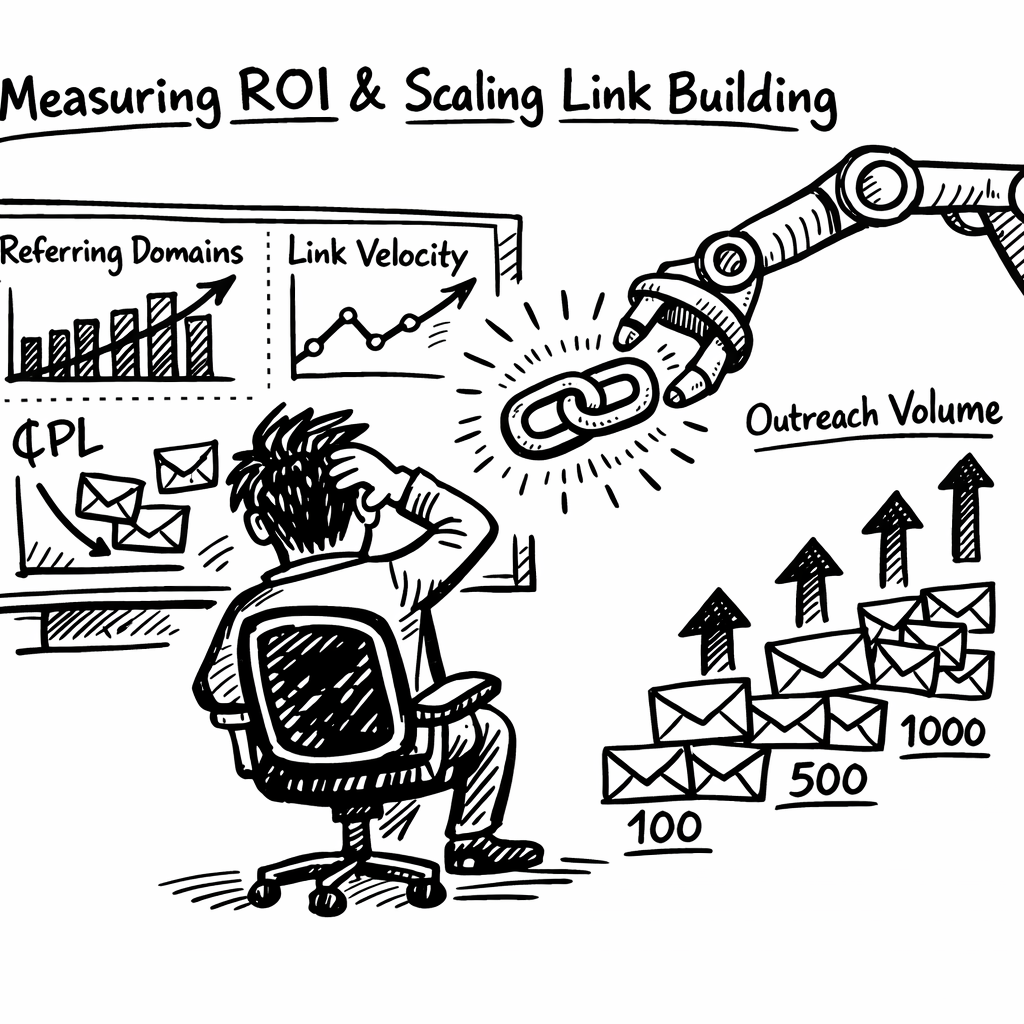
Bottom line: measure, iterate, and let automation handle the grunt work. When you watch the numbers move in the right direction, scaling becomes a confidence‑boosting exercise rather than a gamble.
Common Pitfalls and How to Avoid Them
Ever launched an automated link‑building campaign and felt a knot in your stomach when the dashboard lit up with a flood of new backlinks? You’re not alone. The excitement of scale can mask a handful of easy‑to‑miss traps that end up hurting more than helping.
Chasing Quantity Over Quality
It’s tempting to think, “the more links, the better,” especially when the software throws out dozens of prospects in minutes. In reality, a handful of high‑authority, niche‑relevant links beats a hundred low‑grade ones. As the common link‑building mistakes guide warns, irrelevant or spammy backlinks can actually drag your rankings down.
How to avoid it? Set a strict filter for domain authority (e.g., DA > 35) and relevance score before you let the tool queue outreach. If a prospect falls short, pause it – you’ll thank yourself later.
Over‑Optimizing Anchor Text
Picture this: every backlink you earn uses the exact‑match keyword “automated link building software for startups.” It looks natural in your mind, but Google sees keyword stuffing. Mix it up with branded, partial‑match, and plain‑language anchors. A balanced 80:20 do‑follow to no‑follow ratio also keeps the profile looking organic.
Tip: create a short anchor‑text cheat sheet in your outreach template and let the platform rotate through the options.
Neglecting Link Types and Rel Attributes
Since Google’s link spam update, any purchased or untagged backlink can trigger a penalty. Make sure sponsored links carry the rel="sponsored" attribute, and user‑generated links get rel="ugc". Even a well‑earned do‑follow from a reputable site can look shady if it’s missing the proper tag.
Quick fix: add a rule in your automation that automatically appends the correct rel attribute based on the link source.
Skipping the Internal Linking Step
Getting a high‑quality backlink is great, but if the landing page isn’t wired into your site’s internal link web, the juice fizzles out. After a link is approved, immediately embed contextual internal links back to core product pages or pillar content.
Make it a habit: each time you publish an SEO‑optimized article, open the “link review” screen and drop in 2–3 internal links before hitting “approve.”
Relying on One‑Time Outreach
Automation can send a batch of emails, but without follow‑up cadence you’ll lose warm prospects. Set up a gentle reminder sequence – a “just checking in” nudge after three days, then a final thank‑you after a week.
Most tools let you define a “pause & replace” rule: if a prospect doesn’t respond after two touches, the system automatically swaps it for a fresh candidate.
Ignoring Toxic Links and Regular Audits
Even the best platform can occasionally snag a link from a low‑quality site – think gambling forums or thin‑content directories. These are the weeds that choke your garden. Run a weekly backlink audit, flag any domain with a spam score above 3, and use Google’s Disavow Tool if removal isn’t possible.
Pro tip: schedule a bi‑weekly “link health” meeting with your team to glance at the audit report and prune the bad links.
By keeping an eye on these pitfalls and building safeguards into your automation workflow, you turn a powerful “set‑and‑forget” engine into a reliable growth partner.
Conclusion
We've walked through why automated link building software for startups feels like a secret weapon when you’re juggling product launches, fundraising rounds, and a never‑ending inbox.
At its core, the right platform hands you three things: faster discovery of relevant prospects, hands‑free outreach that still sounds human, and a built‑in safety net that prunes low‑quality links before they hurt your rankings. Those three pillars turn a chaotic, manual grind into a predictable growth engine.
So, what’s the next move? Start by mapping your top three competitor domains and the five keywords that describe your value proposition. Feed those into the tool, set a modest daily email quota – 20 to 30 sends is a good sweet spot – and let the auto‑replace rule do the heavy lifting. Check the dashboard once a week, approve the links that bring traffic, and discard the rest.
Remember, automation is a helper, not a replacement for judgment. Keep a quick “link health” check on your calendar, tweak the outreach copy when you see a dip in replies, and let the data guide your scaling decisions.
If you’re ready to trade endless spreadsheet rows for real referral traffic, give the free trial a spin and watch the numbers speak for themselves.
FAQ
Got questions about using automated link building software for startups? You’re not alone – we hear the same concerns over and over, and we’ve boiled them down into clear answers you can act on right now.
What is automated link building software for startups and how does it actually work?
At its core, the tool scans the web for sites that match the keywords and competitor domains you feed it. It then ranks those prospects by relevance and authority, drafts a personalized outreach email, and can even schedule the sends for you. Think of it as a smart assistant that does the heavy‑lifting of prospect discovery and initial contact, while you keep the final say on tone and approvals.
Can I trust the quality of backlinks that an automated tool finds?
Quality comes from the filters you set. By specifying a minimum domain authority, relevance score, and even a niche‑specific whitelist, the platform only surfaces links that meet those thresholds. Most startups we’ve spoken with see a noticeable lift in referral traffic after pruning out low‑grade prospects. The key is to review the first batch manually, adjust the criteria, and let the system fine‑tune itself.
How much time can I realistically save compared to manual outreach?
Imagine spending a full day pulling competitor URLs, Googling each site, drafting five‑sentence pitches, and tracking replies in a spreadsheet. With automation, that entire workflow collapses into a few clicks – you set the seed data, the tool does the research, and you spend minutes approving drafts. In practice, digital‑marketing managers report shaving 70‑80 % off the time it takes to generate a viable backlink list.
What are the biggest mistakes startups make when using automated link building?
First, chasing volume over relevance – sending hundreds of generic pitches will only hurt reply rates. Second, neglecting the “human touch” in templates; a tiny customization (like referencing a recent blog post) can boost responses dramatically. Third, forgetting to monitor link health; without a weekly audit you might keep a link that’s lost authority or turned spammy, which can dilute your overall profile.
Do I need any SEO expertise to set up an automated link building system?
No, you don’t need to be an SEO guru, but a basic grasp of a few concepts helps. Knowing what domain authority means, why relevance matters, and how anchor text influences rankings will let you set smarter filters. Most platforms guide you through a step‑by‑step wizard, so even a content creator with limited SEO background can launch a pilot batch in under an hour.
How do I measure ROI from automated link building for my startup?
Start by establishing a baseline: track current referring domains, referral sessions, and the average authority of existing backlinks. After a month of automation, compare those numbers – look for a lift in referral traffic and any uptick in conversions tied to the new links. Divide your total spend (tool subscription plus any content creation costs) by the number of high‑quality links acquired to get a cost‑per‑link metric. If that number is lower than your typical acquisition cost, you’re seeing a positive ROI.
Is there a risk of getting penalised by Google if I automate my link building?
Google penalises manipulative link schemes, not automation itself. The risk appears when the tool sends low‑quality, unrelated pitches or uses exact‑match anchors excessively. By configuring strict relevance filters, diversifying anchor text, and keeping a manual review step, you stay well within best‑practice guidelines. Regularly audit your backlink profile for spam scores and disavow any toxic links, and you’ll avoid the pitfalls that cause penalties.