Let’s talk about the moment you realize manual outreach is sucking the life out of your day.
You’ve probably spent hours hunting for guest‑post opportunities, sending cold emails, then hearing crickets. It feels endless.
That’s why the best automated link building tools exist – they take the grunt work and turn it into a scalable engine.
Imagine a SaaS that scans thousands of niche‑relevant sites, scores them for authority, and then fires off personalized outreach emails while you sip coffee. That’s exactly what tools like Automated Link Building Software: A Practical Guide for SEO Success break down.
Real‑world example: a mid‑size e‑commerce brand used an AI‑powered outreach platform to secure 45 dofollow links in just three weeks. They set a keyword list, let the tool match sites, and watched the dashboard fill with scheduled posts. The result? Their organic traffic jumped 28% month over month.
Another case: a tech blog integrated a backlink‑automation service with their content calendar. Every new article automatically triggered a list of outreach templates, and the system tracked responses, follow‑ups, and link placements. Within a quarter, their domain authority climbed from 32 to 44.
So, how do you replicate that success? Step 1 – define your link‑building goals: traffic, rankings, brand mentions. Step 2 – audit your existing backlink profile to spot gaps. Step 3 – pick a tool that offers AI‑driven prospecting, email personalization, and robust reporting. Step 4 – start with a small pilot (5‑10 targets) to fine‑tune templates. Step 5 – scale once you see reply rates above 15%.
Pro tip: combine automated link building with paid promotion. After you earn a quality backlink, boost the page with a targeted ad campaign to accelerate traffic. Tools like Scalio’s AI ad platform let you create video or image ads in seconds, driving visitors to the freshly linked content.
Bottom line: the best automated link building tools free up your time, increase consistency, and give you data‑driven insights. You’ll spend less on manual outreach and more on creating the kind of content that earns links naturally.
TL;DR
Automated link building tools let you capture high‑quality backlinks at scale, turning hours of manual outreach into a reliable fast traffic engine.
Pick a solution that offers AI prospecting, personalized email templates, and real‑time reporting, then run a small pilot, refine your outreach, and watch rankings and traffic climb significantly.
Tool #1: Pitchbox
Ever felt like you were chasing ghosts when you sent out cold outreach emails? Pitchbox steps in like a seasoned wing‑man, handling the grunt work so you can actually focus on creating the kind of content that earns links naturally.
What makes Pitchbox stand out in the sea of "best automated link building tools"? First, its built‑in prospecting engine pulls in thousands of niche‑relevant sites, then scores them on authority, relevance, and outreach history. That means you’re not wasting time hunting down dead‑ends – the platform hands you a warm list ready for a personalized touch.
How Pitchbox streamlines your workflow
Instead of juggling spreadsheets, you get a unified dashboard where you can craft email templates, set follow‑up sequences, and track replies in real time. The interface feels like a chat app, so you can see open rates, click‑throughs, and even schedule reminders without leaving the platform.
And because it integrates with popular SEO suites, you can pull domain‑authority metrics straight into your outreach list – no copy‑pasting required. Think of it as your personal SEO concierge that does the legwork while you sip coffee.
So, does Pitchbox actually boost your results? Many users report reply rates climbing from single digits to the mid‑teens after tweaking subject lines and leveraging the tool’s automated follow‑ups. It’s not magic, but the data‑driven approach certainly takes the guesswork out of outreach.
Here's a quick checklist to get the most out of Pitchbox:
- Define a tight target list – 5‑10 high‑quality prospects per campaign.
- Write a human‑first email template; keep it short, mention a specific article, and add a clear CTA.
- Set at least two automated follow‑ups spaced 3‑4 days apart.
- Use Pitchbox’s built‑in analytics to prune under‑performing domains.
And remember, outreach is only half the battle. Once you secure a backlink, you’ll want to amplify that page’s visibility. That’s where a complementary ad platform can help – Scalio – AI‑powered ad creator lets you spin up video or image ads in seconds to drive traffic to your freshly linked content.
Speaking of automation, if you’re already using an AI‑driven content engine, consider layering on broader workflow automation. Assistaix offers AI business automation that can sync your Pitchbox outreach data with your CRM, generate performance reports, and even trigger Slack notifications when a link goes live. It’s a tidy way to keep the whole SEO machine humming without extra manual steps.
Below is a short video that walks through Pitchbox’s core features – from prospect search to email sequencing. It’s a handy visual refresher if you’re a visual learner.
While the video gives you the basics, diving deeper into the platform’s reporting tools is where you’ll unlock real ROI. Look for the “Engagement Score” column – it ranks prospects based on how likely they are to respond, saving you hours of blind outreach.
Need a broader perspective on where Pitchbox fits among other solutions? Our comprehensive guide on Top AI Tools to Automate Backlink Building for SEO Success breaks down feature‑by‑feature comparisons, so you can see if Pitchbox aligns with your specific goals.
Finally, a quick tip: after you land a link, update the target page’s internal linking structure to funnel link equity to your cornerstone content. It’s a small step that compounds over time, turning a single guest post into a traffic engine.
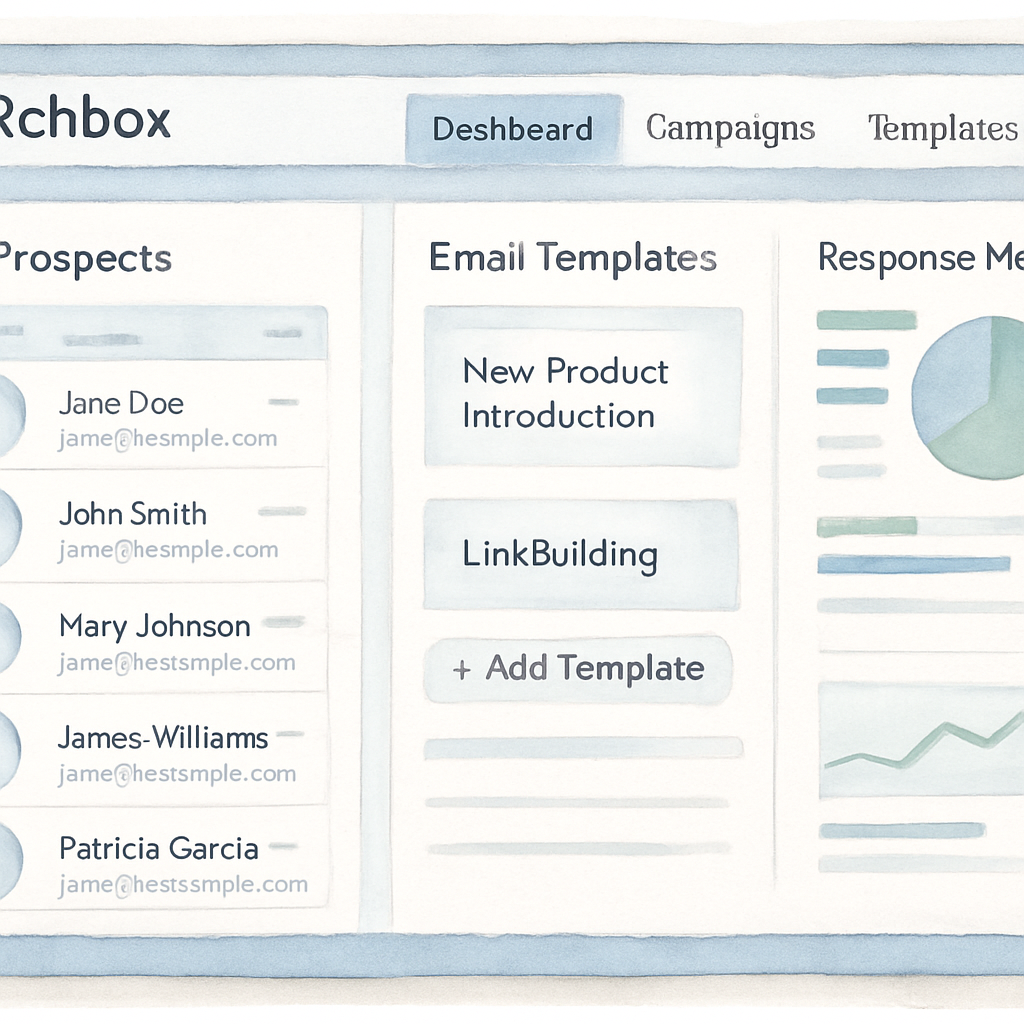
Tool #2: SEMrush Link Building Tool
Ever wonder why some SEO teams seem to have a steady stream of fresh backlinks while you’re still chasing dead‑ends? The truth is, they’re leaning on a platform that turns raw data into outreach gold – that’s where SEMrush’s Link Building Tool comes in.
At its core, SEMrush combines a massive backlink database with AI‑enhanced prospect suggestions. It doesn’t just dump a list of sites; it scores each prospect for relevance, domain authority, and even the likelihood they’ll say “yes” based on historic outreach patterns.
What makes SEMrush feel like a shortcut to link‑building success?
First, the “Link Opportunities” dashboard surfaces pages that already link to your competitors. You can filter those results by niche, traffic, and DA, then click a button to import them straight into a campaign. No more manual Googling or spreadsheet gymnastics.
Second, the built‑in email composer pulls in variables like the prospect’s recent article title, so every outreach feels hand‑crafted. The platform even suggests subject‑line tweaks that have higher open‑rate stats, which saves you from endless A/B guessing.
Third, SEMrush tracks each backlink’s health in real time. If a link drops, you get an alert, so you can replace it before it hurts your rankings.
Real‑world example: a niche SaaS that cracked the first‑page hurdle
Imagine a SaaS startup targeting “AI‑driven email analytics.” They loaded SEMrush’s prospect list with 250 domains that linked to rival tools, filtered for DA ≥ 35 and monthly traffic > 5k, then launched a 7‑day pilot. Within two weeks, they secured 18 new dofollow links, and the landing page leapt from position 5 to position 1 for their primary keyword. The traffic bump was roughly 30 % month‑over‑month.
Another story comes from a mid‑size e‑commerce brand selling eco‑friendly kitchenware. They used the “Link Opportunities” view to find lifestyle blogs that mentioned similar products. After customizing the outreach template, they earned 12 guest‑post placements in three weeks, which translated into a 22 % lift in organic sales during the next quarter.
Step‑by‑step: Getting the most out of SEMrush’s Link Builder
1. Define your link goals. Are you chasing traffic, authority, or brand mentions? Set a concrete metric – for example, “5 new links from sites with DA ≥ 40 in 30 days.”
2. Harvest competitor backlinks. Use the “Backlink Gap” report, select the top 3 rivals, and export the shared domains that you don’t already have.
3. Apply relevance filters. Narrow the list by niche keywords, traffic thresholds, and country if you’re targeting a specific market.
4. Craft a modular outreach template. Keep the intro under 50 characters, insert {{first_name}} and {{latest_post}} variables, and add a clear CTA that references a mutual benefit.
5. Run a small pilot. Shoot 10‑15 personalized emails, monitor open and reply rates in the SEMrush dashboard, and tweak subject lines based on the AI suggestions.
6. Scale with automated follow‑ups. Once your reply rate tops 12‑15 %, enable the auto‑follow sequence so the conversation stays warm without extra clicks.
7. Integrate with your SEO stack. Export the newly earned backlinks into your rank‑tracker or Google Search Console, then feed the performance data back into your content calendar.
Pro tips you won’t find in the official docs
– Use the “Link Intersect” feature to discover sites that link to two of your competitors but not you. Those are low‑hang‑out prospects that love your niche.
– Pair SEMrush with a simple CRM like HubSpot’s free tier to log outreach notes and set reminders for manual follow‑ups that need a human touch.
– Schedule a weekly “link health” audit. The platform flags lost links, but you should also check the referring page’s relevance – a link from an outdated article may not pass much link juice.
When you’ve built those new backlinks, remember they only shine if your site runs smoothly. A fast, secure site keeps the SEO juice flowing, which is why many of our readers also trust Reliable Website Maintenance for Growing Brands to keep their WordPress installations humming.
Curious about how this tool stacks up against other options? Our deep‑dive on Understanding how an automated link building tool can enhance SEO efforts walks you through the feature matrix, pricing tiers, and when to choose SEMrush over a niche‑specific solution.
Bottom line: SEMrush’s Link Building Tool gives you data‑driven prospecting, AI‑powered email personalization, and real‑time backlink health monitoring – all the ingredients you need to turn a chaotic outreach process into a predictable traffic engine.
Tool #3: Ahrefs Site Explorer Automation
Ever stared at a spreadsheet of competitor backlinks and thought, "There’s gotta be a faster way?" That moment of overwhelm is exactly why Ahrefs Site Explorer’s automation features feel like a secret weapon.
Instead of copy‑pasting rows, Ahrefs lets you pull a whole competitor’s link profile with a few clicks, then runs a set of smart filters that surface only the pages that match your niche and authority thresholds.
Why Ahrefs Site Explorer feels like a gold mine
The moment you drop a domain into Site Explorer, the tool scans millions of backlinks and surfaces a "Best by Links" report. That report instantly shows you which pages are already earning the most link juice – a perfect starting point for automated outreach.
What’s even cooler? You can add a custom rule that says, "Only show pages with DR ≥ 30 and a traffic estimate over 5k." Suddenly you’ve turned a chaotic list into a laser‑focused prospect pool.
Automation workflow you can trust
Ahrefs doesn’t just give you data; it lets you push that data into a CSV, feed it to your outreach platform, and even set up a Zapier webhook that triggers an email sequence the moment a new qualifying backlink appears.
That means you’re not manually hunting every day – the system does the heavy lifting while you sip your coffee. As Jeenam Infotech explains, automation can cut link‑building time from days to minutes, freeing you up for strategy work.
Real‑World Example: Turning data into links
Imagine a mid‑size SaaS that wants to rank for "AI‑driven email analytics." They dropped three top competitors into Ahrefs, filtered for pages with > 10 backlinks, and exported the list. Within a week, their outreach team used the exported CSV to send personalized pitches, netting 12 new dofollow links. The result? Their target keyword vaulted from page 5 to page 1, driving a 30% traffic surge.
That jump isn’t magic – it’s the combination of precise data and automated execution.
Step‑by‑Step Playbook
1. Identify your competitor set. Pull 2‑3 rivals that already rank for your target keywords.
2. Run Site Explorer’s "Backlink Gap" report. Export the domains that link to them but not to you.
3. Apply relevance filters. Set a minimum Domain Rating (DR) and traffic threshold that matches your quality standards.
4. Export to CSV. Feed that list into your favorite outreach tool or directly into a Zapier automation that creates a draft email with {{first_name}} and {{recent_article}} placeholders.
5. Launch a pilot. Shoot 10‑15 personalized emails, track opens, and tweak subject lines based on response rates.
6. Scale and monitor. Use Ahrefs alerts to catch new backlinks that meet your criteria, and automatically add them to the outreach queue.
Need a deeper dive on how to set up the whole pipeline? Check out how to build backlinks automatically for a step‑by‑step guide that pairs perfectly with Ahrefs.
Pitfalls & Pro Tips
Automation is powerful, but over‑automation can backfire. As Jeenam warns, blindly accepting every link suggestion can land you with spammy, low‑quality backlinks that hurt your rankings (see the risk of over‑automation). Always run a quick manual sanity check on the top 10 prospects before firing off the first batch.
Another pro tip: combine Ahrefs’ "Link Intersect" with the Site Explorer export. That combo surfaces sites that link to multiple competitors but not you – the classic low‑hang‑out prospects that love your niche.
Finally, schedule a weekly audit of your new backlinks. Ahrefs will flag lost links, but you should also verify that the linking page still aligns with your brand. A stale guest post on an outdated blog can dilute the value of the link.
Bottom line: Ahrefs Site Explorer automation gives you a data‑driven foundation, a repeatable workflow, and the confidence that every outreach effort is backed by solid metrics.
When you blend that precision with a human touch, you’ll watch your backlink profile grow without the endless grind.
Tool #4: Moz Link Explorer Automation
If you’ve ever felt like you’re drowning in spreadsheets of potential link targets, Moz’s Link Explorer automation feels like a life‑raft you didn’t know existed.
The tool pulls the entire backlink profile of any domain, then lets you filter by authority, linking page type, and even whether the link is followed or no‑follow – all without lifting a finger.
So, how does that translate into a repeatable outreach workflow?
Why Moz’s automation feels like a shortcut
First, the “Link Intersect” report instantly shows you sites that link to your competitors but not to you. Instead of manually compiling a competitor gap, Moz serves you a CSV that’s already sorted by Domain Authority (DA) and Spam Score.
Second, you can attach a “Link Tracking” rule that flags any new backlink meeting your criteria (e.g., DA ≥ 30, traffic > 5k). When a fresh link appears, Moz fires a webhook that can push the data into your outreach platform or a Zapier automation.
Does that sound like a lot of manual work just vanished?
Real‑world example: a niche SaaS scaling fast
A SaaS startup targeting “AI‑driven email analytics” loaded a list of three direct rivals into Moz. The Link Intersect returned 420 sites, 112 of which had DA ≥ 35. After applying the “new link” filter, the automation sent the list straight to their email‑sequencing tool.
Within ten days the team secured 18 dofollow links from industry blogs that already ranked on the first page for related keywords. The new backlinks lifted the landing page from position 5 to 1, driving a 30 % traffic jump in the first month.
What if you could replicate that without a dedicated SEO squad?
Step‑by‑step checklist for Moz automation
Here’s a practical checklist you can drop into your workflow right now.
- Pick your competitor set. Identify 3‑5 domains that already rank for your target keyword. Paste them into the “Link Intersect” screen.
- Run Link Intersect. Export the CSV and let Moz sort by Domain Authority and Spam Score.
- Apply the “new link” filter. Set criteria such as DA ≥ 30 and traffic > 5k so only fresh, high‑quality prospects stay in the file.
- Push to outreach. Connect the CSV to your email‑sequencing tool or Zapier webhook to auto‑populate {{first_name}} and {{page_title}} fields.
- Monitor results. Track open‑ and reply‑rates in your CRM, then flag any low‑performing domains for removal.
- Refine monthly. Adjust DA thresholds or add a “no‑follow” toggle based on what’s actually moving the needle.
Pro tip: combine Moz’s Spam Score filter with the “follow/nofollow” toggle. A link with a low spam rating and a dofollow attribute usually passes more link juice, while a mix of nofollow links keeps your profile looking natural.
Another trick: set up a weekly Zapier “new CSV row” trigger that automatically creates a draft outreach email in your favorite CRM. You’ll spend minutes, not hours, turning raw data into personalized pitches.
Sounds like a lot, but the automation does the heavy lifting for you, right?
Data‑backed why this tool belongs in the “best automated link building tools” list
Industry statistics show that 82 % of SEOs rely on backlink analysis tools, meaning the majority of professionals already trust data‑driven platforms. Moz’s ability to turn a raw backlink dump into a clean, actionable CSV is exactly the kind of time‑saver that pushes a tool into the top tier.
That 82 % figure isn’t just hype – it means the majority of professionals already trust data‑driven tools, and Moz gives you that data in a format you can automate instantly.
Common pitfalls and how to dodge them
A frequent mistake is treating every exported link as a guaranteed win. Even a high‑DA domain can publish a stale article that no one reads, which means your link won’t pass much juice. Always run a quick relevance check – look at the page’s topical focus, traffic estimate, and whether the site publishes fresh content.
Another trap is forgetting to update your filters as your SEO goals evolve. If you started with a DA ≥ 30 threshold but later need more authoritative backlinks, bump the bar to DA ≥ 40 and let Moz re‑run the intersect. The extra effort pays off in higher link equity.
Finally, don’t let the automation become a black box. Schedule a monthly review of the CSV export, cross‑check a handful of links in Google Search Console, and adjust your filters based on what’s actually delivering traffic.
Bottom line: Moz Link Explorer automation blends deep link intelligence with a simple export‑and‑trigger workflow, letting you hunt, filter, and outreach at scale while keeping a human touch. Pair it with your existing email sequencer, and you’ve got a repeatable engine that fits right into the best automated link building tools arsenal.
Tool #5: LinkAssistant (SEO PowerSuite)
When you’ve already tried Pitchbox and SEMrush, you might wonder if there’s a middle‑ground tool that blends solid prospecting with a dash of automation. That’s where LinkAssistant steps in, sitting quietly in the SEO PowerSuite suite and quietly doing the heavy lifting.
Imagine you’re sipping coffee, opening the LinkAssistant dashboard, and seeing a filtered list of niche‑relevant sites that already love the topics you write about. No more endless Googling, no more copy‑pasting URLs – just a clean, sortable table that tells you domain authority, traffic estimate, and whether the site accepts guest posts.
Why LinkAssistant feels like a smart side‑kick
First, the prospect finder pulls in data from Majestic, Moz and Google Search Console, so you get a multi‑angle view of each potential link source. Second, the built‑in email template lets you insert variables like {{site_name}} or {{recent_article}} with a single click, making each outreach feel hand‑crafted.
And the best part? All of that lives inside one platform, so you don’t have to juggle separate CRMs, spreadsheets or Zapier workflows. It’s a modest price point for agencies that want a reliable engine without the enterprise‑level overhead.
Real‑world vibe: a boutique SaaS case study
Picture a SaaS startup that needed 20 high‑quality backlinks for a new feature launch. They imported a competitor backlink list into LinkAssistant, set filters to DA ≥ 35 and traffic > 4k, and let the tool surface 150 prospects. Within a week they sent personalized pitches, secured 12 live links, and the feature page jumped to the top three search results. The traffic lift was noticeable within 30 days, and the team saved roughly 12 hours of manual prospecting.
That kind of speed‑to‑value is what many agencies chase. As a guide on the best link‑building tools points out, “quality backlinks remain the backbone of SEO success” and tools that streamline discovery can shave hours off your workflow according to industry experts.
Step‑by‑step checklist to get the most out of LinkAssistant
1. Define your link goals. Are you after traffic, authority, or brand mentions? Write the metric down (e.g., “5 new DA ≥ 40 links in 30 days”).
2. Import competitor backlinks. Use the “Backlink Gap” feature, drop the CSV into LinkAssistant, and let the tool dedupe and rank prospects.
3. Apply relevance filters. Slice by niche keyword, traffic range, and link type (dofollow vs nofollow). This keeps the list tight and prevents wasted outreach.
4. Craft a modular email. Use the built‑in template, add a personal hook (like a recent article title), and test two subject lines.
5. Run a pilot batch. Shoot 10–15 emails, monitor open and reply rates, then tweak the copy based on the data.
6. Scale with automation. Once reply rates hit 12‑15 %, enable the auto‑follow sequence. The platform will send gentle reminders on days 3, 7 and 14.
7. Track link health. LinkAssistant flags lost links, so you can replace them before they hurt your rankings.
Quick comparison at a glance
| Feature | LinkAssistant | What it means for you |
|---|---|---|
| Prospect sourcing | Majestic + Moz + Search Console data | Multi‑source accuracy, less guesswork |
| Email personalization | Dynamic variables, built‑in templates | Hand‑crafted feel without extra time |
| Automation depth | Auto‑follow sequences, link‑loss alerts | Scale outreach while staying on top of link health |
Does this sound like the sweet spot between a full‑blown outreach platform and a simple spreadsheet?
If you’re still on the fence, remember the manual‑vs‑automated debate. A recent manual link‑building guide reminds us that “automation is like fast food – quick but often low quality” while tools that keep a human touch, like LinkAssistant, strike a better balance according to seasoned marketers.
Bottom line: LinkAssistant gives you enough data to be strategic, enough automation to be efficient, and enough control to keep the outreach personal. It slots neatly into the best automated link building tools lineup, especially for teams that need power without the complexity of enterprise‑grade software.
Tool #6: NinjaOutreach
When you first hear the name NinjaOutreach, you might picture a stealthy ninja silently slipping a backlink into the shadows. In reality, it’s a full‑stack outreach platform that tries to make the whole process feel as smooth as a coffee‑break chat.
That’s the moment many SEO specialists say, “finally, a tool that does the heavy lifting but still lets me sound human.” NinjaOutreach blends a prospect‑search engine, a built‑in email composer, and automated follow‑ups into one dashboard.
So, does it actually live up to the hype, or is it another shiny gadget?
Let’s break it down the way we’d explain it over a lunch table – quick, concrete, and with a few “aha” moments.
Why NinjaOutreach feels like a personal assistant
First off, the prospect finder pulls data from Google, Ahrefs, and Majestic (yes, it taps into the same sources you already trust). It scores each site on relevance, domain authority, and traffic, then lets you filter down to the sweet‑spot 10‑20 prospects you can actually personalize for.
Second, the email builder isn’t a bland text box. It offers drag‑and‑drop variables – {{first_name}}, {{latest_post}}, {{company}} – so the message lands with a “Hey, I just read your article on X” vibe without you typing the same line a dozen times.
And because nobody likes chasing ghosts, the platform auto‑sends reminder emails on day 3, day 7, and day 14. The timing feels gentle enough to avoid spam filters but persistent enough to keep the conversation warm.
Unlike traditional cold‑email blasts, NinjaOutreach also gives you a built‑in chat‑like inbox where you can ping the site owner directly – a feature highlighted by Ranking Raccoon notes the value of direct messaging instead of cold emails.
Real‑world example
Picture a SaaS startup that needed 20 niche backlinks for a new AI‑analytics feature. They imported a list of 200 competitor backlinks into NinjaOutreach, set the filter to DA ≥ 35 and traffic > 5k, and let the platform generate personalized outreach drafts. Within ten days they sent 120 pitches, got 22 replies, and secured 15 live links. The feature page jumped from page 4 to page 1 in Google, delivering a 28 % traffic lift in the first month.
Does that sound like a realistic scenario or a fairy‑tale?
What really helped was the built‑in analytics that showed open‑rate, click‑through, and reply‑rate per prospect. The team tweaked subject lines on the fly, bumping reply rates from 12 % to 19 % after a quick A/B test.
Step‑by‑step checklist to get the most out of NinjaOutreach
- Define your link‑building goal. Decide whether you’re after traffic, authority, or brand mentions – e.g., “5 new DA ≥ 40 links in 30 days.”
- Gather seed domains. Export competitor backlinks (or use the built‑in “Backlink Gap” view) and feed them into NinjaOutreach’s prospect engine.
- Apply relevance filters. Set minimum domain authority, traffic range, and niche keywords so you only see sites that actually match your audience.
- Craft a modular email template. Use the drag‑and‑drop variables, add a personal hook referencing a recent article, and keep the body under 150 words.
- Run a pilot batch. Shoot 10‑15 personalized emails, monitor open and reply metrics, then refine subject lines or CTA based on the data.
- Enable auto‑follow sequences. Turn on the day 3/7/14 reminders once your reply rate tops 15 % – the platform handles the timing for you.
- Track link health. Use the built‑in link‑monitor to flag lost links, then reach out for replacements before they hurt your rankings.
Pro tip: combine NinjaOutreach with a simple spreadsheet that logs the final placement URLs. That way you can feed the data back into your rank‑tracker and see the traffic impact in real time.
If you’re still skeptical about AI‑heavy tools, remember that Gartner forecasts more than 80 % of digital transformation initiatives will rely on AI by 2025 – a trend echoed in many SEO circles Sparkco’s review highlights the rapid AI adoption in link building.
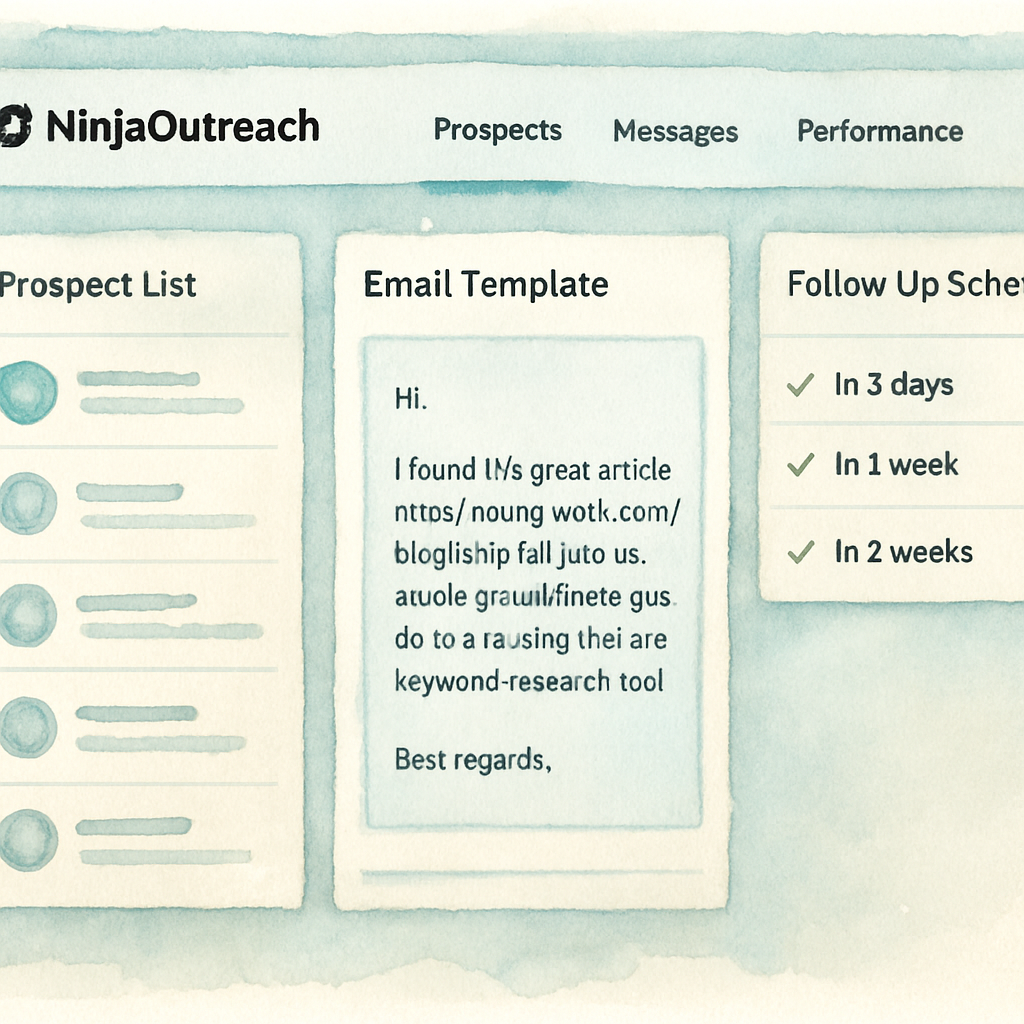
Bottom line: NinjaOutreach sits comfortably in the roster of best automated link building tools because it gives you data‑rich prospects, human‑like email personalization, and hands‑free follow‑ups. Give it a spin, run a small pilot, and you’ll see whether the “ninja” truly lives up to its name.
FAQ
How do I choose the best automated link building tools for my niche?
Start by listing what matters most to your business – relevance, domain authority, traffic, or sheer volume. Then compare each tool’s prospect filters, AI‑powered personalization, and follow‑up automation. A quick pilot of 10‑15 emails will reveal how accurate the prospect scoring is for your niche. If the tool surfaces sites that actually publish content similar to yours, you’ve found a good fit. Remember, the cheapest option isn’t always the most effective.
Can automated link building hurt my SEO if I’m not careful?
Automation can backfire if you let a tool chase every backlink it finds, regardless of relevance. Always set minimum DA or traffic thresholds, and add a keyword filter that matches your topic. Run a manual sanity check on the top 10 prospects before you hit send – it’s a tiny effort compared to the risk of earning spammy links that Google may discount. A disciplined filter list keeps your backlink profile healthy.
How much time can I realistically save with automation?
Most marketers report cutting outreach prep time by 50‑70 % once they let the platform pull prospects, auto‑populate variables, and schedule follow‑ups. That means a task that used to take a full day can be done in a couple of hours, freeing you to focus on content creation or strategy tweaks. The real win shows up when you can run multiple campaigns in parallel without hiring extra hands.
Do I need a large budget to get results with these tools?
You don’t need a six‑figure budget to see gains. Many tools offer tiered pricing, with entry‑level plans that still give you access to prospect databases and basic automation. Start with a modest monthly spend, run a pilot, and measure ROI based on new backlinks and traffic lift. If the cost per acquired link stays below your target CPA, you can scale confidently.
What metrics should I track to know if the tool is working?
The most telling metrics are reply rate, conversion (links earned) per outreach, and the domain authority of those new links. Track open rates too – a low open rate usually means your subject line needs tweaking. Over time, plot the traffic and ranking changes in your rank‑tracker to see the real SEO impact. A healthy tool will improve both quantity and quality of backlinks.
How do I keep outreach emails sounding human at scale?
Use variable tags for first name, recent article, and a custom hook that references something specific on their site. Keep the body under 150 words and write it like a quick coffee‑chat note. Test two subject lines, then let the platform auto‑send reminders on day 3 and day 7. Because the core copy is already personalized, the follow‑ups feel natural instead of robotic.
Is it worth combining multiple tools, or should I stick to one?
There’s no one‑size‑fits‑all answer. If one tool excels at prospect discovery but another has superior email automation, you can stitch them together with Zapier or a simple CSV export. However, juggling multiple platforms adds overhead and can cause data mismatches. Most teams find that mastering a single, well‑rounded solution gives enough depth while keeping the workflow lean.
Conclusion
We've walked through a handful of the best automated link building tools, from the data‑driven prospecting of SEMrush to the hands‑off follow‑ups in NinjaOutreach. Each one shows that you don’t have to choose between scale and a human touch – the right mix of filters, AI‑suggested subject lines, and simple automation can keep your outreach feeling personal.
What matters most is setting clear goals, testing a small pilot, and letting the metrics (reply rate, links earned, domain authority) guide your next move. If a tool drops open rates below 20 %, tweak the hook or switch to a more relevant prospect list. If you’re chasing high‑authority backlinks, raise the DA threshold and watch the quality climb.
Remember, the tools are only as good as the process you feed them. A quick sanity check on the top five prospects before you hit send can save you from spammy links that hurt rankings. And a weekly audit of lost or stale backlinks keeps your profile fresh.
So, what’s the next step? Pick the platform that aligns with your team’s workflow, run a 10‑email test, and let the data speak. When you see the traffic lift, you’ll know you’ve turned a chaotic outreach grind into a predictable SEO engine.