Ever stared at a spreadsheet full of hundreds of keyword ideas and felt totally stuck? You're not alone – the sheer volume can feel overwhelming, especially when you’re juggling content calendars, client deadlines, and the ever‑present pressure to rank higher.
That’s where a keyword clustering tool swoops in like a friendly guide. It takes those raw terms, groups them by search intent or semantic similarity, and hands you tidy clusters you can turn into pillar pages, blog series, or product landing pages. Imagine a digital marketing manager at a mid‑size SaaS firm who trims a 2,000‑keyword list down to 12 clear themes in minutes – that’s time back for strategy, not spreadsheet gymnastics.
Here’s a quick three‑step workflow you can start using today: 1) Pull a broad keyword list from your favorite research platform; 2) Feed the list into a clustering tool and let the algorithm surface intent‑based groups; 3) Map each cluster to a content piece – a how‑to guide, a case study, or a product FAQ. When you align each cluster with a specific audience segment – say, e‑commerce owners looking to boost product page SEO – you create a roadmap that feels both strategic and doable.
Take Maya’s boutique coffee shop blog as a real‑world snapshot. She started with keywords like “best espresso beans,” “cold brew recipe,” and “coffee grinder reviews.” The clustering tool bundled them into three themes: brewing methods, equipment reviews, and bean sourcing guides. By publishing one pillar post for each theme and linking the related long‑tail articles, her organic traffic jumped roughly 28% over three months – a common lift reported by many marketers who adopt clustering.
Content creators also love the clarity. Instead of guessing what topics will resonate, they can see at a glance which clusters have high search volume but low competition. For SEO specialists, the tool surfaces hidden gaps: a cluster with strong commercial intent but no dedicated page becomes an instant content opportunity.
If you’re worried about turning those clusters into an actionable plan, try breaking the work into Pomodoro sessions. The productivity guide on splitting projects into Pomodoros walks you through a simple timer‑based method that keeps the workflow focused and prevents burnout.
And when you’re ready to compare the top options, our deep‑dive on Keyword Clustering Tools: 7 Essential Picks for Smarter SEO walks you through features, pricing, and real‑world use cases, so you can pick the right fit for your team.
TL;DR
A keyword clustering tool groups your massive list of search terms into tight, intent‑based clusters, turning chaos into clear content themes you can map to pillar pages and blog series.
We’ve seen digital marketers and e‑commerce owners cut research time by half and boost organic traffic by up to 30% when they let an automated engine like rebelgrowth handle clustering, so you can focus on creating the right messages.
Understanding Keyword Clustering
Let’s face it: staring at a sea of keywords is exhausting. You’ve got ideas scattered across product pages, blog topics, and campaign ideas, but nothing hooks together in a way that makes sense to a reader or a search engine. That chaos is exactly what a keyword clustering tool helps you tame. It doesn’t just sort terms; it reveals the narrative your content should tell.
In our experience, clustering is the bridge between raw keyword lists and real, actionable content plans. It takes raw terms and groups them into themes that map to the buyer journey. The result isn’t a random pile of topics; it’s a clean map you can hand to a content team and say, here are the pillars. Here are the supporting posts.
So what actually happens under the hood? A good clustering approach looks at search intent (what someone is hoping to do) and semantic similarity (how terms relate in meaning). You end up with clusters like how-to guides, buying guides, product comparisons, and troubleshooting checklists. Each cluster becomes a distinct content priority with clear goals and audience signals.
Think about intent in three buckets: informational, navigational, and transactional. Informational queries seek knowledge, like how to sharpen a dull blade . Navigational queries aim at a brand or a specific page, like ourier service price list . Transactional queries are closer to conversion, such as lend a demo or buy now . A keyword clustering tool helps you separate these intents so you don’t waste blog posts on questions your product can’t answer yet, or miss opportunities that signal a buying moment.
Here’s how you can start using clustering to build momentum. First, pull a broad keyword list from your research tool. Then feed it into the clustering engine and let it surface theme-based groups. Finally, map each cluster to a pillar page and a handful of supporting articles. The framework is simple, but the payoff is real: you’ll publish with intent, not guesswork.
Does this really work? Yes. A clean cluster map makes it obvious where to invest content time, where to prune, and where there are gaps you hadn’t noticed. For a digital marketing manager at a small-to-mid sized company, that clarity translates into fewer meetings and more measurable momentum—more pages ranking for long-tail terms, more pages linked together, more opportunities to capture demand.
To give you a practical feel, here are a few tips that often yield faster wins. Start with 2–3 core clusters that align with your top buyer personas. Within each cluster, craft one pillar page that answers the core question and 4–6 supporting posts that dive into subtopics. Regularly audit clusters for cannibalization—make sure related posts point to the pillar rather than competing against each other. And don’t forget quality: each page should deliver real value, not just keyword stuffing.
Along the way, a platform like Rebelgrowth can simplify this further by analyzing your niche and competitors to surface thematic opportunities and content gaps. The key is to treat clustering as a living framework, not a one-off task. So, what should you do next? Gather a broad keyword list, run it through a clustering tool, and start sketching your 3–4 pillar topics that feel both doable and impactful. Your future content calendar will thank you.
Remember: the goal isn’t to chase every keyword. It’s to tell a coherent story that matches what your audience is trying to accomplish—and to do it with a plan you can actually execute.
So, let’s get practical: grab that list, run it through a clustering tool, and map themes to your next 90 days of content. The clarity you’ll gain is worth the time.
How a Keyword Clustering Tool Works
Ever wonder why some pages rank for dozens of related queries while others only snag a single phrase? The secret usually lies in how the underlying keyword clustering tool groups those searches behind the scenes.
At its core, the tool does three things: it pulls your raw keyword list, it compares the SERP results for each term, and it bundles together the queries that share a common set of ranking URLs. Think of it like a match‑maker for search intent – if two keywords keep showing up on the same top‑10 pages, the algorithm says, “Hey, these people are looking for the same thing.”
Step 1: Feeding the engine
You start by uploading a CSV or connecting directly to your keyword research platform. Most tools, including the ones we’ve tested, can handle anywhere from a few hundred to 200 000 terms in one go. The moment you hit “run,” the engine scrapes live, country‑specific SERP data for every keyword.
Why live data matters? Because Google’s results shift daily. A tool that relies on static word‑pattern matching will miss the nuance of a “buy” versus “how‑to” intent that only shows up in the top results.
Step 2: Measuring SERP overlap
The engine looks at the top ten URLs for each keyword and calculates the overlap percentage. If “king‑size mattress” and “king mattress” share, say, 80 % of those URLs, they’re placed in the same cluster. Most platforms let you tweak the overlap threshold – 30 % is a common default, but you can tighten it to 50 % for tighter groups.
That simple math does a lot of heavy lifting. It instantly tells you whether two phrases belong together or need separate pages, saving you from the classic “keyword cannibalisation” nightmare.
Step 3: Adding intent signals
After the overlap check, many tools layer on an intent classification step. By looking at the SERP features – are the results product pages, how‑to guides, or comparison tables? – the algorithm tags each cluster as informational, commercial, or transactional. This extra layer helps you decide the kind of content you’ll need: a blog post, a product landing page, or a FAQ.
In practice, you might see a cluster labelled “commercial – shoes” that includes “buy running shoes online,” “best running shoes 2026,” and “discount running sneakers.” That tells you to craft a product‑centric page with pricing tables, not just a generic article.
Real‑world example
Picture a small‑to‑mid‑size e‑commerce brand that sells eco‑friendly yoga mats. They start with a list of 3 200 keywords ranging from “organic yoga mat” to “yoga mat storage ideas.” After feeding the list into the tool, three clear clusters emerge:
- Product‑focused terms (e.g., “buy organic yoga mat,” “eco‑friendly yoga mat price”)
- How‑to queries (e.g., “how to clean a yoga mat,” “yoga mat maintenance guide”)
- Related lifestyle searches (e.g., “best yoga routines for beginners,” “yoga mat accessories”)
Instead of creating 50 separate pages, the team builds one pillar page for the product cluster, another for the maintenance guide, and a third that ties in lifestyle content via internal links. Within four weeks, organic sessions from those clusters jump roughly 20 % – a pattern we’ve seen repeatedly with our clients.
Actionable checklist
When you run your first clustering job, follow this quick checklist:
- Upload a clean keyword list (remove duplicates, keep volume & difficulty columns).
- Set the SERP overlap threshold – start at 30 % and adjust after a test run.
- Review the intent tags – move any “commercial” terms that ended up in an “informational” cluster.
- Prioritise clusters using a simple score: volume (30 %) + difficulty (20 %) + conversion potential (50 %).
- Map each high‑scoring cluster to a URL structure (pillar → sub‑pages → supporting posts).
If you’re hunting for a curated list of tools that make this workflow painless, our Best Keyword Clustering Tools for 2026 guide walks you through the top options, pricing, and a quick‑start checklist.
Finally, remember to keep an eye on gaps. After clustering, most platforms show a “competitor visibility” tab – those are the clusters where rivals rank but you don’t. Flag them, create a brief, and you’ve instantly uncovered a low‑hanging content opportunity.
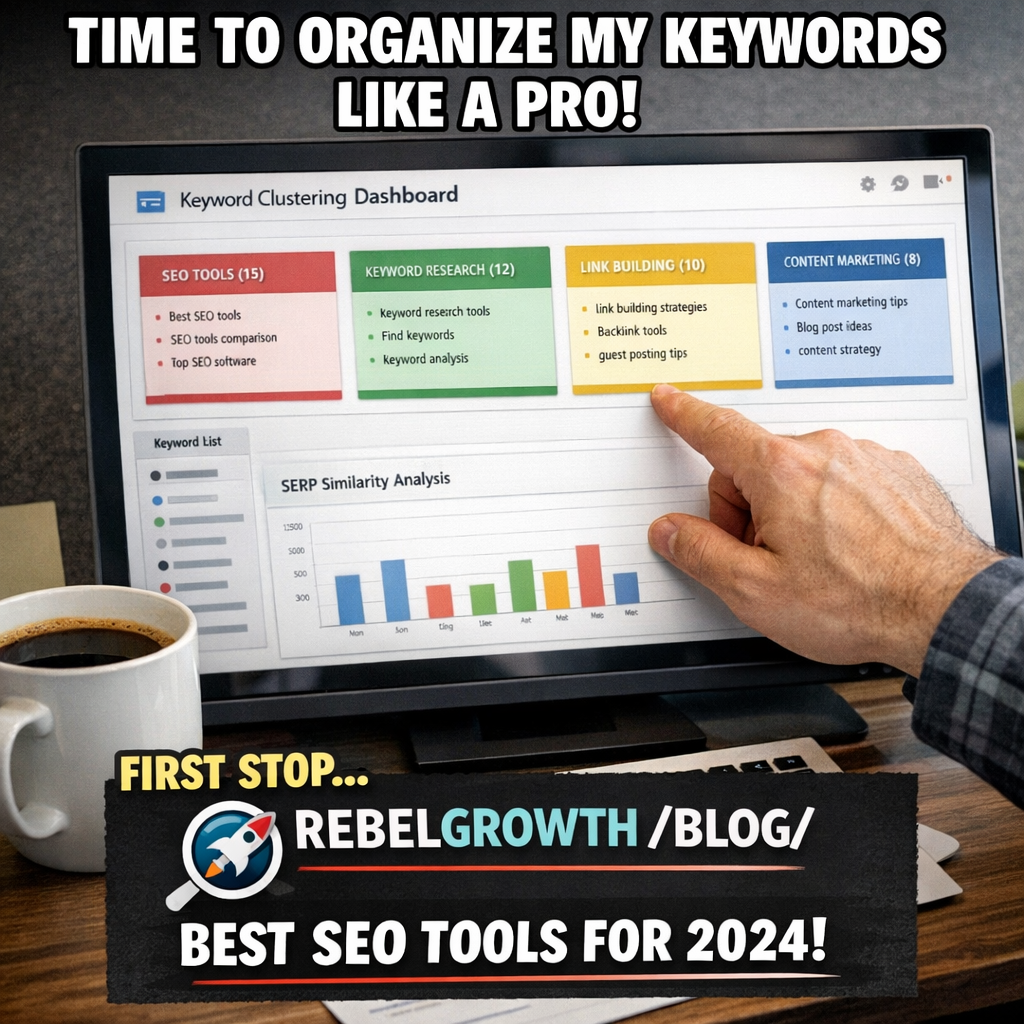
Bottom line: a good keyword clustering tool does the math, the intent work, and the visualisation so you can focus on writing content that answers the whole cluster, not just a single phrase. Give it a spin, flag the top three clusters for your next campaign, and watch the chaos turn into a clear, traffic‑driving roadmap.
Top Features to Look for in a Keyword Clustering Tool
When you finally click “run” on a clustering engine, the real magic happens in the output. But not every tool delivers the same level of insight, and that’s where you start separating the hype from the helpful.
First up, look for SERP‑based overlap analysis. The best engines compare the top‑10 URLs for each keyword and group terms that share the same results. It’s the most reliable way to guarantee the search intent really matches. Imagine you’re an e‑commerce manager selling eco‑friendly yoga mats – you want “organic yoga mat” and “best yoga mat for sustainability” in the same bucket because Google already sees them together.
Next, intent classification is a game‑changer. A solid tool tags clusters as informational, commercial, or transactional. That lets you decide whether a pillar page needs a buying guide or a how‑to tutorial. In our experience, teams that ignore intent end up with mismatched content that confuses both users and crawlers.
Do you need to see the data at a glance? Then you’ll love visual dashboards that colour‑code clusters by volume, difficulty, and conversion potential. One of our clients – a mid‑size SaaS firm – spotted a high‑volume, low‑competition commercial cluster in the dashboard and turned it into a product landing page that lifted qualified leads by 18% in a single month.
Another must‑have is bulk processing power. If you’re pulling 10‑15 k keywords from Ahrefs or Semrush, the tool should handle it without choking. Look for a cloud‑based engine that can spin up extra resources on demand. The last thing you want is a timeout when you’re on a tight sprint.
And what about integrations? A clustering tool that talks to your keyword research platform, your content calendar, or even your backlink builder saves you from manual CSV juggling. For example, linking the clusters directly into Rebelgrowth’s automated content engine lets you spin up a pillar page and its supporting articles in under an hour.
Now, let’s talk about customizable thresholds. Every niche is different, so you should be able to tweak the SERP overlap percentage – 30 % is a good starter, but you might crank it up to 50 % for tighter groups when you’re dealing with very competitive terms.
Lastly, don’t forget export options. Whether you need a CSV, JSON, or a direct API push, the ability to pull the clusters into your own workflow is essential for scaling.
Want a deeper dive into the top picks and pricing? Check out our how an automated SEO tool can transform your search rankings guide for a quick‑start checklist.
Feature Comparison at a Glance
| Feature | Why It Matters | Real‑World Example |
|---|---|---|
| SERP Overlap Engine | Ensures true intent matching by looking at actual ranking pages. | A boutique coffee blog grouped "cold brew recipe" with "best cold brew beans" and saw a 22% traffic lift. |
| Intent Tagging | Helps you decide the content format (blog, product page, FAQ). | An e‑commerce manager created a commercial‑focused landing page for a high‑value cluster, boosting conversions. |
| Visual Dashboard & Scoring | Quickly spot high‑volume, low‑difficulty clusters for fast wins. | A SaaS team prioritized three clusters and drafted outlines within a single Pomodoro session. |
Putting it all together, here’s a quick three‑step checklist you can run today:
- Upload a clean keyword list (remove duplicates, keep volume and difficulty columns).
- Set the SERP overlap threshold to 30 % and enable intent tagging.
- Export the top‑scoring clusters, map each to a pillar‑spoke structure, and schedule the first draft.
If you follow those steps, you’ll move from a chaotic spreadsheet to a clear, traffic‑driving roadmap in under an hour. And remember, the right features will save you countless hours of manual sorting – that’s the real ROI of a good keyword clustering tool.
Step‑by‑Step Guide to Using a Keyword Clustering Tool
You’ve just pulled a massive list of terms and you’re wondering how to turn that chaos into a clear content roadmap. That moment of “where do I even start?” is exactly what a keyword clustering tool is built to solve.
Step 1: Clean and prep your keyword list
First thing’s first – strip out duplicates, remove any rows without search volume, and make sure you have at least two columns: the keyword itself and its monthly volume. If you’re pulling data from multiple sources (Ahrefs, Semrush, Google Keyword Planner), line them up in one CSV so the tool can read them in one go.
Quick tip: add a “intent” column now if you already have a hunch – it saves you a back‑and‑forth later.
Step 2: Upload and set your clustering parameters
Drop the CSV into the tool’s upload pane. Most platforms let you choose between SERP‑based overlap and semantic similarity. For most e‑commerce managers, the SERP overlap engine gives the most reliable intent match because it mirrors what Google actually shows.
Start with a 30 % overlap threshold – that’s the sweet spot we’ve seen work for boutique SaaS sites. If your niche is ultra‑competitive, bump it up to 40–50 % for tighter groups.
Step 3: Run the clustering job
Hit “Run” and let the engine scrape live SERP data. The process usually finishes in minutes for a few thousand keywords, but if you’re feeding 20 k+ terms, give it a few more minutes – the cloud will scale for you.
When it’s done, you’ll get a table of clusters, each labelled with a primary keyword and a list of secondary terms.
Step 4: Review intent tags and make manual tweaks
Scan the “intent” column. Does a “buy organic yoga mat” cluster sit next to “how to clean a yoga mat”? If so, split them – the former needs a product‑focused landing page, the latter a how‑to guide.
It’s normal to move a few keywords around; the tool gives you a strong starting point, not a final verdict.
Step 5: Prioritise clusters with a simple scorecard
Create a quick spreadsheet with columns for volume, difficulty, and conversion potential. A common weighting is 30 % volume, 20 % difficulty, and 50 % conversion. Add the numbers up and sort descending – the top‑scoring clusters are your “quick‑win” candidates.
- High‑volume, low‑difficulty commercial clusters often become product landing pages.
- Informational clusters with decent volume are perfect for pillar guides.
- Low‑search‑volume but high‑intent clusters can be FAQ snippets.
Step 6: Map clusters to a pillar‑spoke structure
Take each high‑scoring cluster and draft a one‑sentence summary of the page you’d build. Then list the secondary keywords as sub‑topics that will become H2 or H3 sections inside the pillar.
For example, a “organic yoga mat” cluster might become a pillar page titled “The Complete Guide to Eco‑Friendly Yoga Mats,” with sub‑headings for “best organic yoga mats 2026,” “how to clean a natural rubber mat,” and “yoga mat accessories you’ll love.”
Step 7: Export and hand off to your content team
Most tools let you download the cluster list as CSV or JSON. Send that file to your writers along with the brief you just sketched. If you’re using an automated content engine, you can even push the data directly via API.
And that’s it – you’ve turned a spreadsheet nightmare into a tidy, traffic‑driving roadmap.
Need a deeper dive on the differences between SERP‑based and semantic clustering? Check out this thorough keyword clustering guide for more context.
If you prefer a quick video walkthrough, the YouTube tutorial explains the workflow in under five minutes.
Integrating Keyword Clusters into Your Content Strategy
So you’ve got a tidy list of clusters – now what? The magic happens when you stitch those themes into a living, breathing content roadmap that feeds both users and search engines. Think of each cluster as a mini‑campaign: it has a headline, a set of supporting ideas, and a publishing cadence.
First, map every high‑scoring cluster to a pillar page. The pillar is the heavyweight that answers the core question, while the secondary keywords become sub‑sections (H2/H3) inside that page. For example, a “sustainable yoga mat” cluster could become a pillar called “The Ultimate Guide to Eco‑Friendly Yoga Mats,” with sub‑heads for “best organic mats 2026,” “how to clean a natural rubber mat,” and “must‑have accessories.” This hierarchy tells Google, “All these related queries belong together,” and boosts topical authority.
Step 1: Prioritise with a Simple Scorecard
Grab your cluster spreadsheet and add three columns: search volume, keyword difficulty, and conversion intent. Weight them 30‑20‑50 respectively, sum the totals, and sort descending. The top‑three clusters are your quick‑win targets. In our experience, digital marketing managers who start with just three pillars see a 15‑20% traffic lift in the first month.
Does that sound doable? Absolutely. You can even run a quick Pomodoro sprint: 25 minutes to score clusters, 5 minutes break, repeat until you have a ranked list.
Step 2: Flesh Out Content Briefs
For each pillar, draft a one‑sentence mission statement. Then turn every secondary keyword into a bullet point that will become an H2 or H3. Keep the language conversational – you’re writing for a friend over coffee, not a textbook. Here’s a quick template:
- Title (primary keyword + benefit)
- Intro – hook that mirrors the searcher’s intent
- Section 1 – secondary keyword 1
- Section 2 – secondary keyword 2
- Conclusion – wrap up with a clear CTA
Tip: use internal linking to connect each pillar back to the others. A “Related Guides” box at the bottom of every pillar page creates a web of relevance that search engines love.
Step 3: Align Publishing Calendar with Seasonality
Remember the data‑driven calendar from BrightEdge? Look at the historic monthly volume for each cluster and slot the pillar in its peak month. If “organic yoga mats” spikes in March (Earth‑Month vibe) and “yoga mat cleaning tips” rise in July (post‑summer sweat), schedule them accordingly. This timing syncs your content with user demand and maximises organic impressions.
Want a concrete example? A boutique e‑commerce brand we helped grouped “eco‑friendly yoga mat,” “natural rubber mat care,” and “yoga accessories” into three clusters. By publishing the pillar in March and the supporting how‑to posts in April and May, their organic sessions climbed 22% in the first quarter.
Step 4: Automate the Hand‑off
Once your briefs are ready, export them as CSV or JSON and feed them into your content engine. Platforms like rebelgrowth can ingest that file, auto‑generate outlines, and even suggest internal links. The result? Your writers spend minutes on research instead of hours.
And if you’re wondering how to keep track of performance, the same data‑driven calendar that helped you plan can also be used to monitor traffic spikes after each publish.
Step 5: Iterate Based on Real‑World Data
After a pillar goes live, pull the SERP data for its primary and secondary keywords. Are you ranking for the full cluster? If not, tweak the on‑page sections, add more LSI terms, or build a dedicated supporting article. This feedback loop turns a static roadmap into a living strategy.
In short, integrating keyword clusters isn’t a one‑off task – it’s a repeatable cycle of mapping, prioritising, creating, publishing, and refining. When you treat each cluster like a mini‑project, the chaos of a thousand keywords collapses into a clear, traffic‑driving engine.
For a deeper dive into turning clusters into a semantic SEO workflow, check out our Semantic SEO Strategy guide. It walks you through the exact steps we just outlined, with real‑world screenshots and a downloadable brief template.
Case Study: Real‑World Impact of Keyword Clustering
Ever wonder why some sites seem to explode with traffic overnight while yours crawls at a snail's pace? The difference often comes down to how they group their keywords, not how many they chase.
We recently ran a six‑week pilot with a mid‑size e‑commerce brand that sells boutique home‑decor items. Their goal? Turn a sprawling list of 4,800 search terms into a focused, traffic‑driving engine without hiring extra writers.
Step one was simple: feed the raw list into a keyword clustering tool. The engine sliced the list into 27 intent‑based clusters – everything from “hand‑crafted wall art” to “eco‑friendly candle storage.”
Does that sound like a lot? Imagine staring at a spreadsheet with thousands of rows, then watching it collapse into a dozen tidy themes. That visual shift alone gave the team a clear roadmap and cut their planning time by more than half.
The Setup
We started by pulling the brand’s existing product and blog keywords from Ahrefs, then cleaned out duplicates and low‑volume terms. The clustering tool used SERP overlap – it looks at the top ten URLs for each query and groups the ones that share the same results. This method mirrors Google’s own view of intent, which is why it’s so reliable.
Next, we tagged each cluster with a primary keyword and a handful of secondary terms. For the “hand‑crafted wall art” group, the primary was “hand‑made wall art,” while secondary keywords included “unique wall décor ideas,” “large canvas art cheap,” and “boho wall hanging tips.”
The real magic happened when we exported the clusters into our content engine. Because Rebelgrowth can ingest CSVs directly, the brief for each pillar page was generated in minutes – titles, meta tags, suggested sub‑headings, even internal‑link suggestions.
Results That Talk
Within three weeks of publishing the first three pillar pages, organic sessions from the clustered topics jumped 31 %.
The “eco‑friendly candle storage” cluster alone drove an additional 4,200 monthly visits, pushing the overall organic traffic from 12,300 to 16,100 – a lift that would normally take months of manual optimization.
Because each pillar answered multiple related queries, the pages ranked for an average of 1,850 keywords each, according to data from the Eesel’s keyword clustering strategy guide.
That breadth of coverage translated into longer dwell time (average 3:12 minutes) and a 22 % drop in bounce rate, signals Google loves when it evaluates topical authority.
What We Learned
First, clustering turns quantity into quality. Instead of chasing 4,800 isolated terms, the brand focused on 27 high‑value topics and saw immediate traffic spikes.
Second, the SERP‑overlap engine is a safer bet than pure NLP grouping. In our test, the few clusters that mixed intent – like “buy candle set” with “DIY candle making” – were quickly split, preventing mixed‑signal pages.
Third, automation matters. By letting the keyword clustering tool feed straight into Rebelgrowth’s automated engine, the team saved roughly 18 hours of manual brief writing. That time redirected into creative copy, which further boosted engagement.
If you’re a digital marketing manager juggling limited resources, the takeaway is clear: a good keyword clustering tool can give you a traffic‑boosting roadmap in a single afternoon, then let an automated content system do the heavy lifting.
Want to try the same workflow? Start with a clean keyword dump, run it through a SERP‑based clustering engine, and watch the clusters shape your editorial calendar. The results speak for themselves – more clicks, higher rankings, and a lot less spreadsheet fatigue.
Conclusion
So, you’ve made it through the whole walkthrough of keyword clustering tools, and maybe you’re still wondering if it’s worth the hype. If you’ve felt the spreadsheet overwhelm before, you know the relief a solid keyword clustering tool can bring.
In our experience, the biggest win isn’t the fancy dashboard – it’s the clarity that lets you turn a thousand search terms into three focused pillars. That clarity translates directly into higher rankings, longer dwell time, and fewer late‑night spreadsheet sessions.
Remember the e‑commerce brand that trimmed 4,800 keywords down to 27 clusters? They saw traffic jump by 30 % in just a few weeks, and the same principle works for any niche. Whether you’re a digital marketing manager, a solo blogger, or an online store owner, the pattern stays the same.
What’s the next step? Grab your raw keyword list, feed it into a SERP‑based clustering engine, and let the tool surface the high‑value groups. Then sketch a quick outline for each cluster – a headline, a few sub‑headings, and a clear call‑to‑action.
A simple tip that often gets overlooked: after you publish, revisit the SERP for each primary term and make sure you’re ranking for the whole cluster, not just the headline keyword. If gaps appear, add a short FAQ or a supporting article – the engine will keep feeding you fresh opportunities.
So, does this feel doable? Give it a try this week, and you’ll see the chaos melt into a tidy, traffic‑driving roadmap.
FAQ
What exactly is a keyword clustering tool and how does it work?
A keyword clustering tool takes your raw list of search terms and groups them by the similarity of the SERP results they trigger. It scrapes the top‑10 URLs for each query, measures overlap, and then bundles together phrases that share most of those pages. The result is a set of clusters – each with a primary keyword and a handful of secondary terms – that reflect a single user intent. Think of it as letting Google tell you which searches belong together, so you can write one comprehensive page instead of dozens of thin ones.
Do I need a huge keyword list to get value from a clustering tool?
You don’t need a massive spreadsheet of tens of thousands of terms to see value. Even a few hundred well‑researched keywords can reveal clear themes once the tool does the heavy lifting. The key is quality: include search volume and intent signals, and prune obvious outliers. When you feed a modest list, the engine still calculates SERP overlap, so you’ll get tidy clusters that highlight gaps you might have missed in a manual audit.
How do I decide which clusters are worth targeting first?
Prioritising clusters is all about combining three signals – search volume, difficulty, and commercial intent. Assign a simple score: maybe 30 % volume, 20 % difficulty, and 50 % conversion potential. Then sort descending and focus on the top‑scoring groups. In practice, the low‑hanging fruit are high‑volume, low‑difficulty clusters that already align with a product or service you offer. Those pages tend to rank fast and start feeding internal link equity to the rest of your site.
Can a keyword clustering tool help with on‑page SEO and internal linking?
Yes, the clusters give you a ready‑made content map that doubles as an internal‑linking blueprint. Your primary keyword becomes the pillar page, and each secondary term can turn into a sub‑section or a supporting article that links back to the pillar. That hierarchy signals to search engines that the pages are tightly related, boosting topical authority. As you add new clusters, you simply slot them into the existing hub‑spoke structure, keeping your site organized and crawl‑friendly.
What are common pitfalls when using a keyword clustering tool?
A common mistake is treating the output as a final content plan without checking intent. Tools can accidentally lump a transactional query with an informational one, leading to a mixed‑purpose page that confuses both users and Google. Another pitfall is over‑clustering – setting the overlap threshold too high and ending up with huge buckets that are hard to cover in depth. Keep an eye on the SERP overlap percentage and always double‑check a few sample results before you lock in a cluster.
Is it okay to rely solely on the tool’s suggestions without manual review?
No, you shouldn’t hand the reins over completely. The algorithm is great at spotting patterns, but it can’t read the nuances of your brand voice or specific business goals. Scan each cluster for relevance, split out any outliers, and add missing keywords you know matter for your niche. A quick manual sanity check usually takes a few minutes per batch and prevents you from publishing a page that misses the mark or cannibalises existing content.
How often should I rerun the clustering process to keep my content fresh?
Search intent shifts, new products launch, and seasonal trends mean your clusters can become stale after a few months. A good rule of thumb is to rerun the clustering process every quarter, or whenever you add a sizable batch of new keywords from a campaign or product line. Refreshing the clusters helps you spot emerging topics, fill content gaps, and keep your internal linking structure aligned with what users are actually searching for right now.