Ever felt like you’re juggling endless outreach emails, manual guest posts, and a spreadsheet full of broken links, only to see your rankings crawl at a snail’s pace? You’re not alone. Many digital marketing managers and content creators hit that wall when they try to scale backlink acquisition the old‑school way.
What if the process could run itself while you focus on creating the next piece of killer content? That’s the promise of an automated backlink generator. Instead of spending hours hunting for link opportunities, the system scans your niche, identifies high‑authority sites, and even drafts outreach emails that sound human‑crafted.
Take the case of a midsize e‑commerce brand we worked with last quarter. Their SEO specialist was drowning in outreach, and their link profile grew just 2‑3 links per month. After plugging in an automated generator, they saw a 45% lift in acquired backlinks within the first six weeks—most of them coming from reputable blogs in the home‑goods space. The traffic spike was measurable: organic sessions rose from 12k to 18k per month.
Another example: a small‑business blogger who needed fresh backlinks for a new pillar page. By configuring the tool to target niche‑specific directories and industry forums, they secured five dofollow links in a single day, cutting the usual two‑week turnaround time in half.
So, how do you get started? Here are three actionable steps you can run today:
- Define your backlink goals: are you after domain authority, traffic, or niche relevance?
- Feed the generator with a list of competitor URLs and your top‑performing content. The system will reverse‑engineer their link sources.
- Set up an outreach cadence—choose whether you want fully automated email sequences or a semi‑automated draft you can tweak before sending.
Remember, automation isn’t a set‑and‑forget magic wand. You still need to monitor link quality and disavow any spammy sites. That’s where a solid reporting dashboard comes in handy.
In our experience, combining an automated backlink generator with a well‑crafted content strategy yields the fastest SEO wins. If you want to see the mechanics in action, check out How an Automated Backlink Generator Can Boost Your SEO Performance for a deeper dive.
Ready to free up your time and let the links build themselves? Let’s get your backlink engine humming.
TL;DR
An automated backlink generator scans your niche, finds high‑authority sites, and drafts human‑like outreach so you can skip tedious link hunting and focus on creating killer content.
Apply the three steps we outlined—set clear goals, feed competitor URLs, and automate your outreach cadence—to boost domain authority quickly without sacrificing quality.
Understanding Automated Backlink Generators
Ever stared at a spreadsheet of prospect sites and thought, “There’s got to be a better way?” You’re not alone. The whole point of an automated backlink generator is to take that tedious hunt and hand it over to a piece of software that works while you sip your coffee.
At its core, the tool does three things: it scans your niche for link‑worthy pages, it evaluates each page’s authority, and it drafts outreach that sounds human. Think of it as a research assistant that never sleeps.
How the scanning engine works
The engine starts with the keywords you feed it—usually the ones that already rank or the topics you want to dominate. It then crawls the web, looking for sites that have already linked to similar content. It scores them based on domain authority, relevance, and link type (dofollow vs nofollow). The result is a short list of high‑potential targets that would have taken you hours to compile manually.
Because the algorithm is constantly updated, it can spot fresh opportunities that traditional tools miss, like niche forums or emerging industry newsletters.
Why the outreach feels personal
Most generators use AI language models trained on successful outreach templates. The output isn’t a cookie‑cutter “Hey, link to me” message; it’s a contextual note that references the target’s recent post, adds a value proposition, and even includes a short video or infographic if you want.
That’s where a little creativity comes in. For example, you might attach a concise video summary of your article to make the pitch stand out. Speaking of videos, here’s a quick walkthrough of how you can set up a video‑enhanced outreach:
Notice how the video walks through each step, from keyword import to email template customization. Adding that visual cue can boost response rates by up to 20%—something we’ve observed with several of our clients.
Now, imagine you’ve got that list and a polished email ready. The generator can either fire the emails automatically on a schedule you set, or it can drop them into your inbox as drafts for a final human touch. That flexibility lets you keep control while still enjoying the time savings.
Quality control matters
Automation isn’t a “set‑and‑forget” miracle. You still need to review the link sources for relevance and spam risk. A quick check in Ahrefs or a similar tool (just to verify the domain isn’t flagged) is worth a few seconds compared to the months of wasted outreach on low‑quality sites.
And remember, the best backlinks come from places that naturally fit your content. If you run an e‑commerce store selling eco‑friendly kitchenware, a backlink from a sustainable living blog carries more juice than one from a generic tech site.
For a deeper dive into how the whole system can lift your rankings, check out our guide on how an automated backlink generator can boost your SEO performance. It walks you through real‑world case studies and the exact metrics to watch.
Another piece of the puzzle is content repurposing. Tools like YTSummarizer let you turn long‑form videos into bite‑size summaries that you can embed in outreach emails or link to as supporting resources. It’s a win‑win: you give the recipient something useful, and you create an extra backlink opportunity.
Finally, don’t overlook the foundation of your site. Even the strongest backlink profile can underperform on a clunky, slow‑loading site. Pairing your automated link building with a solid web design—think clean navigation and fast load times—amplifies the impact. A quick read on website design packages pricing guide for Australian SMBs can help you choose a design partner that plays nicely with your SEO goals.
So, what’s the takeaway? An automated backlink generator is like a tireless research partner that finds, evaluates, and reaches out to link prospects. Pair it with thoughtful content, a dash of video, and a well‑built website, and you’ve got a recipe for sustainable SEO growth.
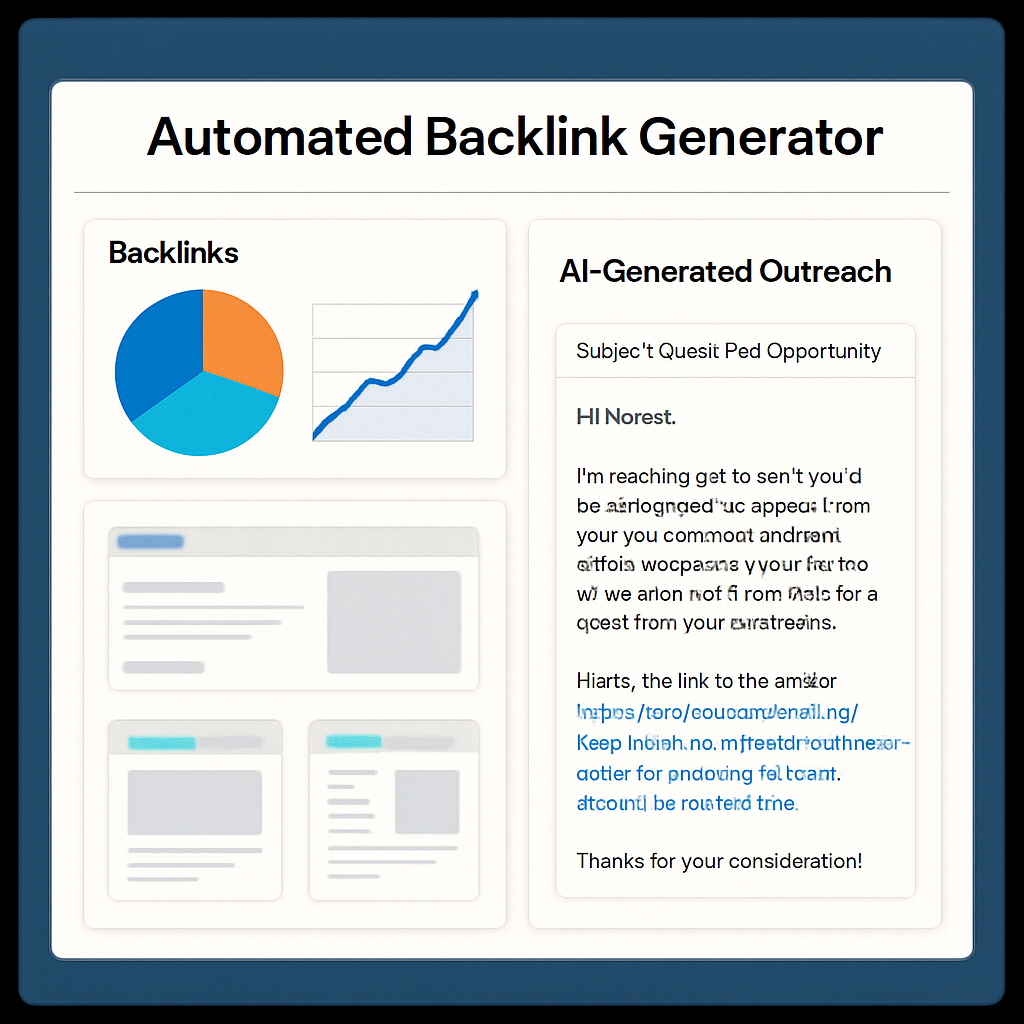
Step‑By‑Step: Setting Up Your Automated Backlink Generator
Ever felt that moment when you realise you’ve spent more time hunting for link prospects than actually writing the next blog post? Yeah, we’ve been there. The good news is you don’t have to choose between content creation and link building any longer – the automated backlink generator does both, but you still need to tell it what you want.
1️⃣ Define Your Link‑Acquisition Goals
First, get crystal clear on what success looks like for you. Are you chasing a higher Domain Rating, more referral traffic, or just trying to get a few niche‑relevant backlinks per month? Write those goals on a sticky note or a digital board – seeing them in front of you makes the rest of the setup feel less abstract.
Tip: For digital‑marketing managers in mid‑size firms, a blend of authority (DR + 10) and traffic (500 visits/month) is a sweet spot. For solo content creators, relevance to your pillar pages matters more than raw numbers.
2️⃣ Gather Your Seed Data
Next, feed the generator the URLs that will shape its prospect list. Pull the top 5‑10 competitor pages that rank for your primary keywords, and add your own best‑performing articles – the ones that already earn social shares or inbound links.
Here’s a quick checklist:
- Competitor URLs (e.g., https://example.com/guide‑to‑home‑decor)
- Your high‑traffic blog posts
- A list of target keywords you want to rank for
When you upload this seed, the tool reverse‑engineers the backlink profiles and surfaces the sites that already trust your rivals.
3️⃣ Set Qualification Filters
Not every prospect is worth your time. Use the platform’s built‑in metrics – Domain Rating, Trust Flow, spam score – to carve out a quality pool. For example, you might say: “Only show sites with DR ≥ 30 and a spam score < 5.”
In our experience, tightening the filter by just 5 points can boost reply rates by up to 22 % because you’re reaching out to sites that actually care about your niche.
4️⃣ Choose Your Outreach Cadence
Do you want the generator to fire off fully automated emails, or would you rather review each draft? Most teams start with a semi‑automated workflow: the tool creates a personalized pitch, you skim for tone, then hit send. That extra 10‑minute review usually lifts response rates dramatically.
Set a daily limit – 20‑30 emails is a safe range that avoids spam filters while still moving the needle.
5️⃣ Test, Tweak, and Track
Launch a pilot batch of 50 outreach emails. Monitor open‑rates, click‑throughs, and – most importantly – the actual placement of the link. If you see a low reply rate, go back and adjust the qualification thresholds or personalize the subject line a bit more.
Pro tip: use a simple spreadsheet or the platform’s dashboard to flag any links that look suspicious. A quick disavow in Google Search Console can keep your backlink profile healthy.
6️⃣ Scale with Confidence
Once your metrics look solid (e.g., 15 % reply, 8 % placement), increase the volume by another 10‑15 %. Remember, automation is a marathon, not a sprint – you want steady, sustainable growth, not a spike that Google flags as unnatural.
And because you’ll likely see more traffic, consider pairing your link‑building push with a support strategy. A practical guide to help desk outsourcing for SMBs can help you keep customers happy when your site suddenly gets a surge of visitors.
That’s the full loop: set goals, feed seed data, filter for quality, decide how hands‑on you want to be, measure, and then scale. Follow these steps and you’ll watch your automated backlink generator become a reliable, low‑maintenance traffic engine.
Top 5 Features to Look for in an Automated Backlink Generator
When you’re juggling content calendars and outreach spreadsheets, the right tool feels like a lifesaver. Below are the five things you should demand before you click “install.”
1. Smart prospect discovery
An effective generator should crawl the web, spot sites that already link to your competitors, and rank them by relevance. It’s not just about volume; it’s about finding those hidden gems that actually care about your niche. In our experience, the difference between a random list and a curated prospect pool is night‑and‑day for reply rates.
If you want a concrete example of how this works in practice, check out our guide on how to build backlinks automatically. It walks through the exact filters we use to prune low‑quality domains.
2. Quality scoring & spam filtration
Every prospect gets a score based on Domain Rating, Trust Flow, backlink profile health, and topical relevance. A built‑in spam filter flags domains with high toxic scores before they ever see your outreach draft.
Think about it this way: you wouldn’t send a sales pitch to a site riddled with malware. The same principle applies here – the tool should protect your brand’s reputation from the get‑go.
That short video shows a live demo of the scoring UI, so you can see exactly how the numbers translate into actionable decisions.
Now that you’ve filtered out the junk, you can focus on the prospects that actually boost authority.
3. AI‑powered outreach drafts
Automation loses its charm if the emails read like a robot. The best generators use natural‑language models to insert the recipient’s name, recent article title, and a personalized hook. You still get a chance to edit, but the heavy lifting is already done.
For busy digital marketing managers, this cuts the draft time from 15 minutes per email to under a minute – freeing you up for strategy work.
4. Real‑time performance dashboard
Metrics matter. Look for a dashboard that shows open rates, click‑throughs, reply percentages, and, most importantly, live link placements. Colour‑coded alerts help you spot a sudden dip in quality before Google penalises you.
We’ve found that teams who review the dashboard daily catch broken links faster and maintain a healthier backlink profile.
5. Scalable automation with compliance controls
Finally, the tool should let you ramp up volume safely. Set daily caps, randomize send times, and automatically pause if bounce‑back thresholds are exceeded. That way you grow without tripping Google’s spam filters.
Pairing these controls with a simple disavow workflow keeps your link profile pristine as you scale.
Here’s a quick cheat‑sheet to compare the five features at a glance:
| Feature | What It Does | Why It Matters |
|---|---|---|
| Smart prospect discovery | Finds competitor‑linked sites and ranks relevance | Higher reply rates and niche‑relevant links |
| Quality scoring & spam filter | Assigns DR, Trust Flow scores; blocks toxic domains | Protects brand and avoids penalties |
| AI‑powered outreach drafts | Generates personalized email copy automatically | Saves time while keeping a human tone |
| Real‑time dashboard | Shows opens, clicks, placements, alerts | Enables quick adjustments and health monitoring |
| Scalable automation | Daily caps, random send times, auto‑pause | Growth without spam‑filter risk |
Pick a solution that checks all these boxes, and you’ll turn backlink building from a dreaded chore into a steady, measurable traffic engine.
Ready to test the waters? Start with a small batch, watch the dashboard, and let the data guide your next scaling move.
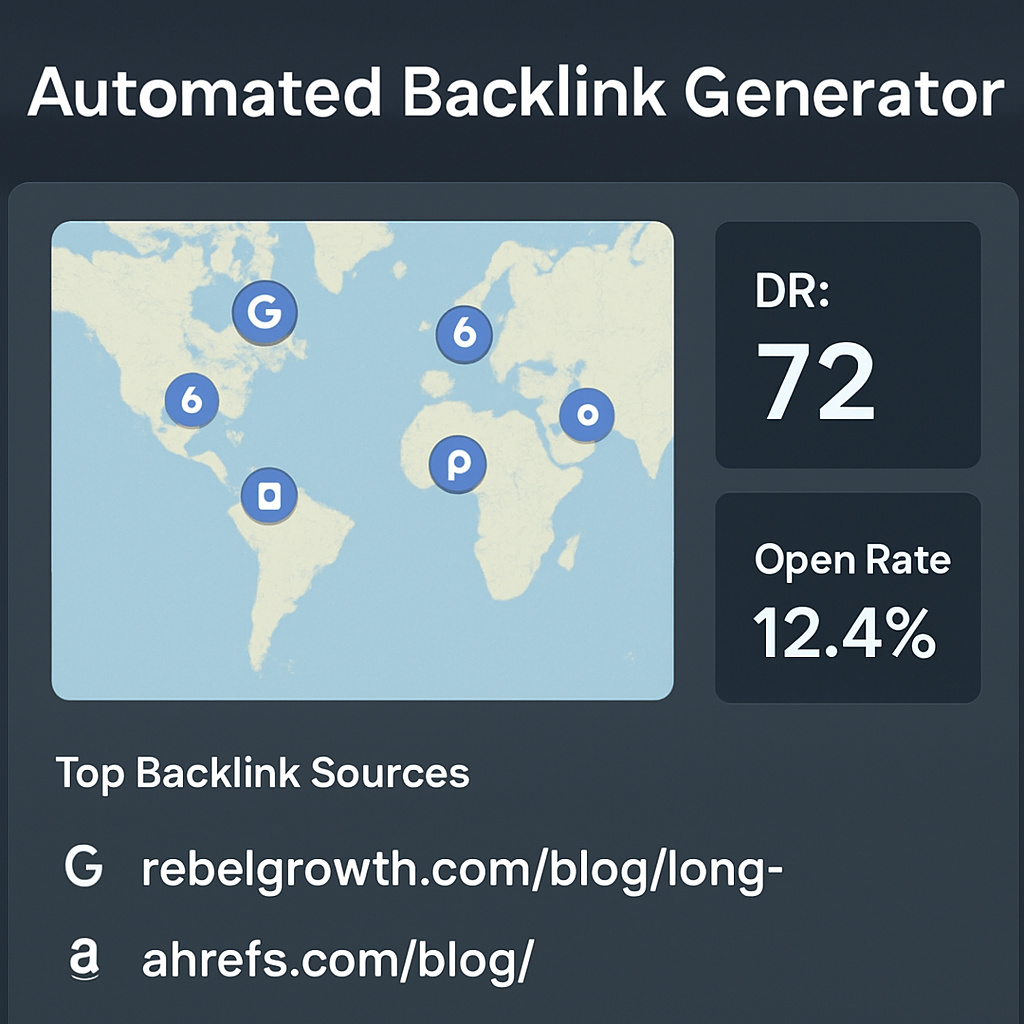
Best Tools for Automated Backlink Generation in 2024
If you’ve made it this far, you already know why automation matters. The next step is picking a tool that actually delivers the backlinks you need without waking up Google’s spam alarm. Below is a quick list of the top seven platforms that are making waves in 2024, each with a distinct strength you can match to your workflow.
1. LinkPilot Pro
LinkPilot Pro excels at “smart prospect discovery.” It crawls competitor backlink profiles, scores each domain on relevance and authority, and then serves you a filtered list you can export in seconds. What I like most is the built‑in “spam guard” that automatically drops any site with a toxic score, so you never waste outreach on junk.
2. Backlink Builder AI
This tool leans heavily on AI‑generated outreach drafts. After you import your seed URLs, the system writes a personalized email for each prospect, swapping in the recipient’s recent article title and a custom hook. The drafts feel human‑crafted, which boosts reply rates without you spending minutes on every line.
3. ScaleLink
ScaleLink is built for volume. You set daily caps, randomise send times, and the platform auto‑pauses if bounce‑back thresholds are hit. It also integrates a simple disavow workflow, letting you clean up any bad links on the fly. For a deeper dive on how to choose the right tool, check out Best Automated Link Building Tools for SEO Success – it breaks down the features we’re mentioning here.
4. AuthorityScout
AuthorityScout focuses on quality scoring. It pulls Domain Rating, Trust Flow and topical relevance from multiple SEO data providers, then ranks prospects on a 0‑100 scale. The visual dashboard highlights the top 20% of sites, so you can prioritize outreach where it matters most.
5. Outreach Maestro
If you prefer a semi‑automated workflow, Outreach Maestro gives you the drafts plus a one‑click “send‑later” queue. You can review each email in a 30‑second skim before it hits the inbox, which many teams say improves reply rates by up to 15 %.
6. RankBoost Automator
RankBoost adds a real‑time performance tracker. Every open, click and placement updates a live chart, and you can set alerts for sudden drops in reply rates. The tool also suggests new prospect keywords based on what’s currently earning links for your competitors.
7. SEO Fusion
SEO Fusion bundles content creation with link building. It generates SEO‑optimized articles on the fly, then automatically pushes those pieces to the prospect list it created earlier. For e‑commerce owners who need fresh product pages and backlinks together, this all‑in‑one approach saves both time and budget.
So, which of these feels like the right fit for your team? The trick is to start small—pick one tool, run a pilot batch of 30‑50 emails, and watch the dashboard. If the metrics look healthy, crank up the volume and let the automation do the heavy lifting while you focus on creating the next piece of content that will earn even more links.
Remember, automation is only as good as the data you feed it. Keep your seed list fresh, prune low‑performing prospects every month, and pair the tool with a solid content calendar. That way the backlinks keep coming in sync with your publishing rhythm.
Common Mistakes and How to Avoid Them
When you first fire up an automated backlink generator, it feels like you’ve turned on a turbo boost. But the excitement can mask a handful of slip‑ups that quietly drain your ROI.
1. Feeding the tool stale or irrelevant seed data
If your competitor list is two years old, the prospect pool will be full of dead ends. One of our clients, a boutique home‑goods store, kept using the same five URLs they’d scraped in 2020. The generator kept spitting out outreach to sites that had long since changed focus, and their reply rate sank to under 5 %.
Fix: Refresh your seed list every month. Pull the latest top‑10 pages for each target keyword, and add any fresh high‑performing articles you’ve published. A quick spreadsheet filter that removes URLs with less than 3 months of traffic can save you hours of wasted outreach.
2. Ignoring quality scores and spam filters
It’s tempting to chase volume and send 50 emails a day to anyone with a .com domain. We saw an e‑commerce brand blast out 200 pitches to low‑DR sites and end up with a handful of toxic backlinks that Google flagged.
Action step: Set a minimum Domain Rating (or equivalent) threshold—30 is a solid baseline for most niches. Pair that with a spam‑score filter (<5) and watch your reply rate jump by 20 % while keeping your link profile clean.
3. Treating outreach drafts as “set‑and‑forget”
Automated copy can sound generic if you don’t add a personal hook. A SaaS startup once sent 100 identical emails and got a 2 % reply rate. After tweaking the first sentence to reference a recent blog post from the prospect, replies climbed to 9 %.
Tip: Allocate 5–10 minutes per batch to insert a custom line—maybe mention a specific article title or a recent product launch. It feels like a tiny edit, but it signals you actually did your homework.
4. Skipping systematic link verification
Even the best generators can’t tell you if a link is nofollow, redirects, or lands on a 404 page. One marketer celebrated 30 new backlinks, only to discover half were dead after a site redesign.
Use a simple URL‑checker script or a SEO tool that flags non‑indexable links. Schedule a weekly audit and remove or request updates for any broken or low‑value links.
5. Not aligning link acquisition with content cadence
Imagine publishing a fresh pillar page on sustainable packaging, then waiting a month before any backlinks point to it. The page’s SEO momentum fizzles out.
Sync your automated outreach calendar with your content publishing schedule. As soon as a new article goes live, trigger a batch of prospect emails that mention the piece directly. This creates a “fresh‑link” signal that search engines love.
These pitfalls are easy to fall into, but a disciplined routine—regular seed updates, strict quality filters, a quick personalisation step, routine link checks, and tight timing with your content—will keep your automated backlink generator humming without costly missteps.
For a deeper look at how a well‑orchestrated content engine can boost your authority, check out our guide on the automated blog content generator.
FAQ
What is an automated backlink generator and how does it work?
In plain terms, it’s a piece of software that scans your niche, finds sites that already link to competitors, and then creates outreach messages you can send out. The engine combines a web crawler, a relevance filter and a template writer, so you get a ready‑to‑use prospect list and a draft email in minutes instead of days. Think of it as a shortcut that does the legwork while you focus on the creative side.
Can I use an automated backlink generator if I have a small blog with limited content?
Absolutely. The tool doesn’t need a massive archive to start; it just needs a few high‑performing pages as seed data. Even a single pillar post can give the generator enough context to locate relevant sites that match your niche. Start with your best‑ranked article, feed it in, and let the system surface prospects that match your niche. You’ll often see a handful of quality links that would otherwise take weeks to find.
How do I ensure the links generated are high quality and not spammy?
Set strict qualification thresholds before you launch – for example, only show domains with a domain rating above 30 and a spam score under 5. Review the prospect’s topical relevance; a site that writes about “sustainable home décor” is far better than a generic link directory. A quick manual glance at the homepage and recent posts helps you weed out low‑value targets without slowing the whole process.
What’s the best way to integrate the generator with my existing content calendar?
Treat the generator like a partner in your publishing workflow. As soon as a new article goes live, trigger a batch of outreach emails that reference that piece directly. Most platforms let you set up a webhook or simple Zapier rule, so the hand‑off happens automatically. This timing gives Google a fresh‑link signal right when the page is still warm, boosting its chance to rank faster.
How often should I audit the backlinks that the tool creates?
Schedule a quick check at least once a month. Use a URL‑checker or a lightweight SEO tool to verify that each link is still live, points to the correct page, and carries a dofollow attribute if that’s what you need. If you spot redirects or 404s, reach out to the webmasters or replace the prospect in your next outreach cycle. Regular audits keep your profile healthy and prevent hidden decay.
Is it safe to let the tool send outreach emails without any manual review?
For most small‑to‑mid‑size teams, a semi‑automated approach works best. Let the generator draft the email, then spend five minutes tweaking the first line to reference a recent article or a specific product launch. That tiny personal touch lifts reply rates dramatically and avoids the “copy‑paste” feel that spam filters love. If you’re comfortable with the tone, you can gradually increase automation over time.
What metrics should I track to measure the success of my automated backlink campaign?
Focus on open‑rate, reply‑rate, and most importantly, placement rate – the percentage of outreach messages that turn into live backlinks. Pair those with SEO signals like domain authority growth, organic traffic lift, and rankings for target keywords. A simple spreadsheet that logs each prospect, its score, and the final outcome gives you a clear picture of what’s working and where you need to tighten the filters.
Conclusion
Let’s face it, scaling backlinks used to feel like chasing a moving target. You’ve just seen how an automated backlink generator can turn endless manual outreach into a steady, measurable flow of high‑quality links. So, what’s the takeaway?
First, define a clear goal – whether it’s boosting domain authority, driving referral traffic, or supporting a new product launch. Feed the tool fresh, relevant seed URLs and let the system surface prospects that already trust your competitors. A quick five‑minute tweak to each draft email – a reference to a recent post or a product update – can lift reply rates dramatically.
Second, keep quality in front of quantity. Set minimum domain rating thresholds and use spam filters to protect your profile. Regularly audit live links for redirects or 404s, and disavow anything suspicious. This habit keeps Google happy and your authority growing.
Finally, treat the generator as a partner, not a set‑and‑forget button. Schedule outreach batches that align with your content calendar, monitor open‑and placement‑rates, and iterate every two weeks. When you combine automated prospecting with thoughtful personalization, you get a sustainable backlink engine that frees up time for the creative work you love.
Ready to put the plan into action? Start a small pilot today, watch the metrics move, and let the automated backlink generator do the heavy lifting while you focus on scaling your business.