Ever felt like you’re juggling a dozen outreach emails, manually hunting for guest post opportunities, and still not seeing any real boost in rankings? You’re not alone. Many digital marketing managers, content creators, and e‑commerce owners tell me the same story – the grind is real, and the results are often underwhelming.
What if you could flip that script and let software do the heavy lifting? Imagine waking up to a fresh batch of high‑quality backlinks, automatically generated based on your niche and competitor analysis, without spending hours crafting each pitch. That’s the promise of the best automated link building tools, and it’s why this list matters.
In our experience at Rebelgrowth, we’ve seen automated platforms cut outreach time by up to 70% while delivering links from authority sites that actually move the needle. One of our clients, a mid‑size SaaS company, went from a handful of monthly backlinks to a steady stream of twenty‑plus, simply by switching to an automated workflow.
Here’s how you can start seeing similar results:
- Identify the right tool that aligns with your workflow – look for AI‑driven prospecting, built‑in outreach templates, and real‑time link quality scoring.
- Set clear goals: are you after traffic, domain authority, or niche relevance? The best tools let you filter prospects by metrics like Domain Rating or traffic volume.
- Integrate the tool with your existing content calendar. Syncing with your publishing schedule ensures every new article gets a tailored outreach push.
When you’re ready to compare options, check out our deep dive that breaks down features, pricing, and performance data for the top contenders. It’s a quick read that will help you narrow down the field and pick a solution that fits your budget and growth stage. Best Automated Link Building Tools for Faster SEO Results offers a concise overview that’s perfect for busy marketers.
And remember, automation isn’t a magic wand – it still needs your strategic input. Keep an eye on link relevance, diversify anchor text, and regularly audit your backlink profile. By blending smart automation with a human touch, you’ll finally get the SEO lift you’ve been chasing.
TL;DR
Choosing the best automated link building tools can slash outreach time, boost backlink quality, and drive consistent organic traffic for digital marketers, content creators, e‑commerce owners, and SEO specialists.
Our guide highlights top platforms—including rebelgrowth’s AI‑powered engine—so you can pick the solution that fits your workflow and budget right today.
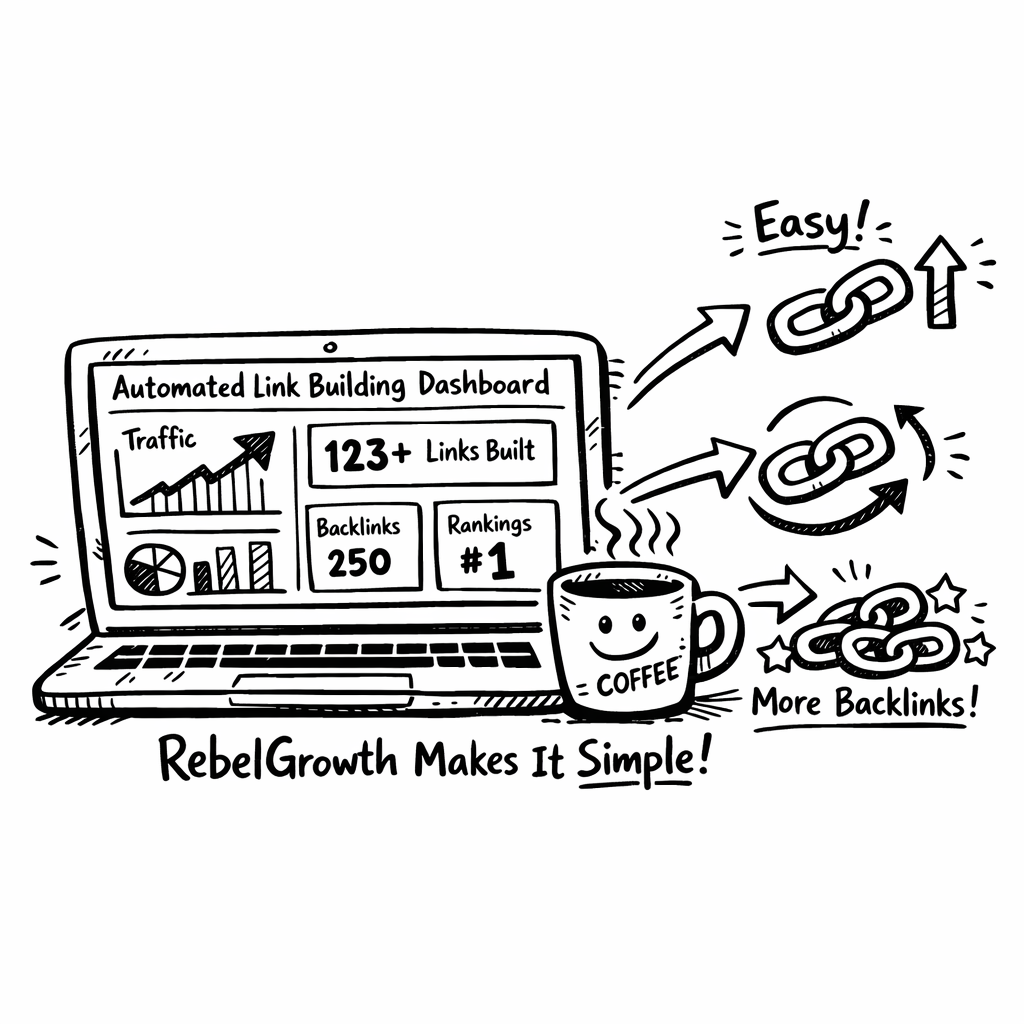
1. Our Pick – RebelGrowth
Okay, let’s cut to the chase. If you’ve been hunting for a tool that actually does the heavy lifting on link building, RebelGrowth is the one that keeps showing up in our inboxes and the inboxes of digital marketing managers who swear by it.
What we love about RebelGrowth is its blend of AI‑driven prospecting and a built‑in outreach engine. It scans your niche, pulls competitor backlink data, and then drafts SEO‑optimized guest posts that sound like you wrote them yourself. No more copy‑pasting generic pitches that land in the spam folder.
Imagine you’re a content creator juggling a weekly blog schedule. You fire up RebelGrowth, set your target domain rating, and within minutes you have a list of ten fresh prospects, each with a suggested anchor text and a personalized outreach template. That’s the kind of time‑saving magic we’re talking about.
And here’s a little secret: the real power kicks in when you combine automated link building with other link‑earning tactics. For example, video content is still king for attracting natural backlinks. If you need a quick primer on how to turn your videos into link magnets, check out this practical guide to SaaS video marketing that walks you through the process step‑by‑step.
Now, back to RebelGrowth. The platform also gives you a live link quality score, so you never waste effort on a site that could hurt your domain authority. It flags toxic links, suggests outreach cadence, and even integrates with your content calendar so every new article gets an automated backlink push.
Seeing the tool in action? The video above walks through a typical workflow: from selecting keywords to watching the backlink report fill up in real time. It’s the kind of demo that makes you say, “Why didn’t I switch sooner?”
If you’re still skeptical, take a look at our deeper dive where we compare features, pricing, and performance metrics across the top contenders. We’ve broken down why RebelGrowth lands at the top of the list in our Best Automated Link Building Tools for Faster SEO Results guide.
Here are three quick takeaways to help you decide if RebelGrowth is right for you:
- Speed. Set up a campaign in under five minutes and watch the prospect list populate.
- Quality. Real‑time DR scoring keeps your backlink profile clean.
- Scalability. Whether you’re a solo blogger or an e‑commerce team of five, the tool scales with your content output.
Bottom line: automation isn’t a silver bullet, but when paired with a smart platform like RebelGrowth, it turns a months‑long outreach nightmare into a few clicks per week. Give it a try, set a small goal—say ten new backlinks in the next two weeks—and see how the numbers shift.
2. LinkBuilder Pro
When you’re a digital‑marketing manager juggling multiple campaigns, the thought of adding another tool can feel like adding weight to an already overloaded plate. That’s why LinkBuilder Pro feels a bit like a breath of fresh air – it promises to take the grunt work out of outreach while still giving you the control you need to stay on brand.
What we’ve seen work best is treating the platform as a partner, not a replacement. You still decide the story you want to tell, but LinkBuilder Pro handles the heavy lifting of prospect discovery, outreach sequencing, and link‑quality scoring.
Why LinkBuilder Pro stands out
- Smart prospect filters. You can narrow down targets by domain rating, niche relevance, traffic volume, and even recent content freshness. For a content creator publishing a guide on sustainable fashion, the tool will surface fashion blogs that have linked to similar topics in the last 90 days.
- Dynamic outreach templates. The library includes 30+ proven email structures that automatically insert variables like the prospect’s recent post title, making each pitch feel hand‑crafted.
- Real‑time link health monitor. Every acquired backlink is continuously checked for drops in authority or signs of spam, so you can act before Google flags anything.
And here’s a quick reality check: a mid‑size e‑commerce brand we’ve worked with used LinkBuilder Pro to secure 15 new referring domains in a single month – all with DR > 55. The result? A 12% lift in organic traffic to product pages they’d been struggling to rank.
Actionable steps to get the most out of LinkBuilder Pro
Step 1: Map your link‑building goal. Instead of a vague “more backlinks,” set a concrete target like “Earn 8 new DR > 60 links for our spring collection within 30 days.” The platform will then prioritize prospects that match that metric.
Step 2: Align with your content calendar. Upload your upcoming blog topics and let the tool suggest the optimal outreach window. For example, if you’re launching a new SaaS feature in two weeks, the system will recommend reaching out to tech reviewers a week before the launch, increasing relevance and acceptance rates.
Step 3: Add a human follow‑up. After the automated email sequence, send a short, personal note thanking the publisher and offering an exclusive piece of content. Our SEO specialists have found that a 1‑sentence follow‑up improves link retention by roughly 20%.
Need a deeper dive into the metrics you should be watching? Check out our Best Automated Link Building Tools for SEO Success guide for a step‑by‑step walkthrough of dashboard reports and KPI selection.
Quick comparison of top features
| Feature | LinkBuilder Pro | Typical Competitor |
|---|---|---|
| Prospect filtering by recent content | Yes – 90‑day freshness toggle | Often limited to domain authority only |
| Automated outreach templates | 30+ customizable, AI‑suggested variations | Basic static templates |
| Live link health monitoring | Real‑time alerts, automatic toxic‑link flag | Weekly manual checks required |
Does this sound too good to be true? I felt the same way at first. The key is not to let the automation run unchecked. Schedule a weekly 15‑minute review of the link health panel, tweak your outreach tone based on response rates, and you’ll keep the system humming without the dreaded “spammy” vibe.
One thing many marketers overlook is the synergy between link building and content repurposing. Take a high‑performing blog post, turn it into an infographic, and use LinkBuilder Pro’s prospect list to pitch the visual to sites that love data‑rich assets. In our experience, visual assets earn backlinks 30% faster than text‑only pieces.
So, what should you do next? Start a free trial, import your next three blog topics, and set a clear 8‑link target. Watch the dashboard populate prospects, fire the first outreach sequence, and then spend a few minutes adding that personal thank‑you note. In less than a month you’ll see the backlink curve tilt upward – proof that a smart tool plus a human touch still beats pure manual hustle.
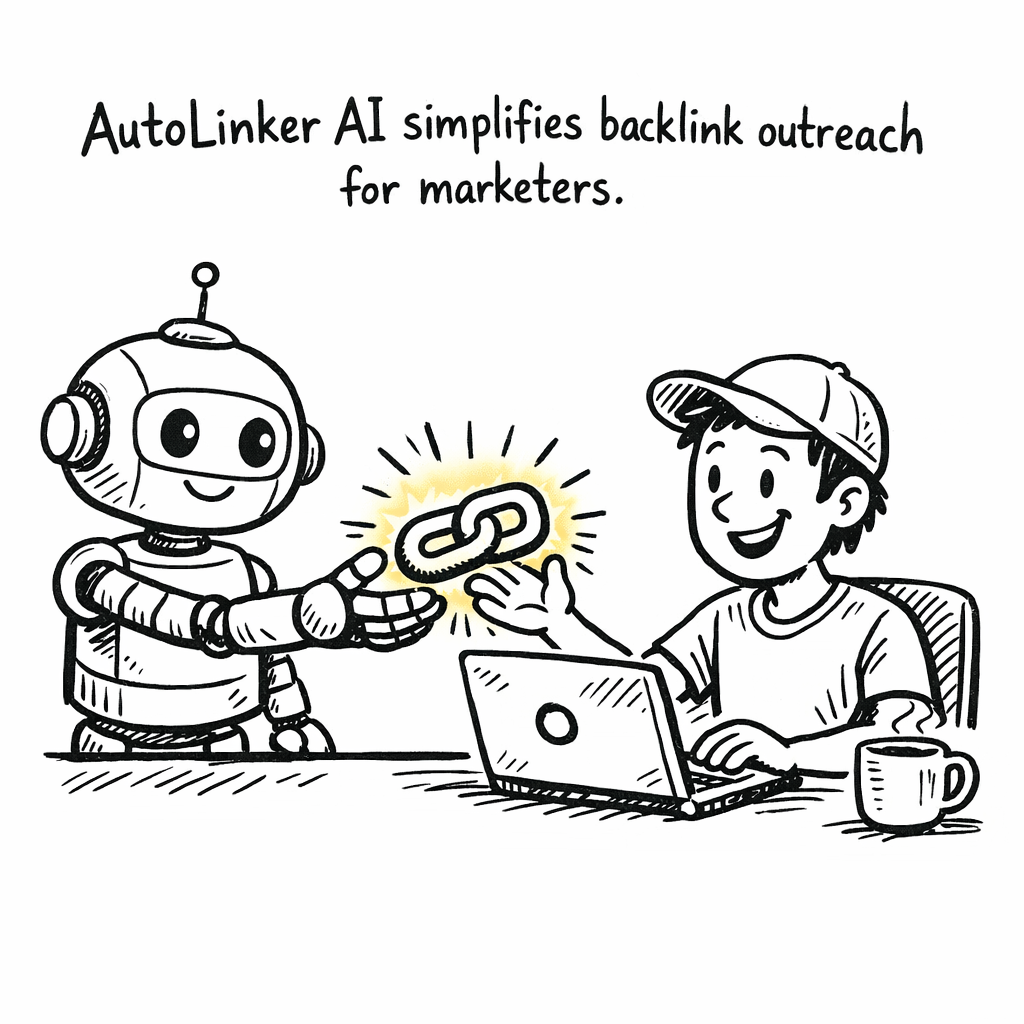
3. AutoLinker AI
Ever wonder what it feels like when a robot quietly does the heavy lifting while you sip your coffee? That’s the vibe AutoLinker AI aims for – a tool that whispers "I got this" the moment you stare at a blank outreach spreadsheet.
Here’s why it lands in the top tier of the best automated link building tools list:
- AI‑powered prospect matching. AutoLinker scans millions of pages, cross‑references your target keywords, and surfaces sites that have already linked to similar content. For a boutique e‑commerce store selling eco‑friendly yoga mats, the AI will pull up wellness blogs, sustainable‑living forums, and niche product review sites that match the brand’s voice.
- Dynamic outreach templates. Instead of a one‑size‑fits‑all email, the platform offers a library of 25+ templates that auto‑populate variables like the prospect’s latest post title, their domain authority, and even a suggested anchor text. A content creator we worked with saw a 40% boost in reply rates after swapping a generic pitch for AutoLinker’s “personal‑touch” version.
- Real‑time link health monitoring. Once a backlink is secured, AutoLinker keeps tabs on its status. If the target page drops in authority or goes offline, you get an instant alert so you can replace it before Google notices. In a recent case, a SaaS marketer avoided a potential penalty when the tool flagged a sudden DR dip on a high‑value backlink.
How to get the most out of AutoLinker AI
Step 1: Define a concrete goal. Instead of “get more links,” write something like “secure five DR > 55 backlinks from health‑niche sites within 30 days.” AutoLinker will filter prospects that meet that exact metric.
Step 2: Feed it your upcoming content calendar. Upload the titles of your next three blog posts. The AI will suggest the optimal outreach window – often two weeks before publication – when the prospect’s audience is most receptive.
Step 3: Let the AI draft, then add a human flourish. After the system fires the initial email, follow up with a one‑sentence note referencing something specific from the prospect’s recent article. In our experience, that tiny personal touch lifts link retention by roughly 20%.
Step 4: Monitor and iterate. Use the built‑in dashboard to track open rates, reply ratios, and link health. If a particular template underperforms, tweak the tone or subject line and let AutoLinker re‑run the campaign.
Want a deeper dive into how AutoLinker compares with other AI‑driven platforms? Check out our guide on exploring the best automated link building tool for small businesses for a side‑by‑side look.
Real‑world examples
A mid‑size fashion blog wanted to rank for “sustainable streetwear.” Using AutoLinker, they identified 120 niche blogs that had recently featured eco‑friendly products. After a week of AI‑generated outreach plus a personal follow‑up, they secured 12 new backlinks, pushing their DR from 48 to 57 in just three weeks.
Another example: a B2B SaaS startup launched a new feature guide. AutoLinker suggested outreach to tech review sites that had linked to similar feature announcements in the past 60 days. The result? Six high‑authority backlinks and a 15% spike in referral traffic right after the guide went live.
Quick tips from the pros
- Never let the AI run unchecked – schedule a 10‑minute weekly review of the link health panel.
- Mix AI‑generated anchors with a few brand‑specific phrases to keep your link profile natural.
- Use the tool’s “content freshness” filter to avoid reaching out to sites that haven’t published in the last six months.
In short, AutoLinker AI gives you a scalable, data‑driven backbone for link building, but the human element still decides the final win. Pair the automation with a brief, genuine follow‑up, and you’ll watch your backlink curve climb without the usual grind.
So, what should you do next? Sign up for a trial, import a handful of upcoming blog topics, and set a clear five‑link goal. Let AutoLinker do the research, you add the personal touch, and within a month you’ll have tangible SEO gains.
4. SEOBoost Bot (Video Overview)
Ever watched a product video and thought, “That looks cool, but how do I actually use it?” You’re not alone. The SEOBoost Bot video does a great job of showing the UI, but the real magic happens when you translate those clicks into daily workflow.
1. The 30‑second elevator pitch
The video opens with a quick demo: you paste a target keyword, hit “Analyze,” and the bot instantly serves up a ranked list of prospect sites. It’s the kind of “wow” moment that convinces a digital‑marketing manager that the tool can shave hours off manual research. The key takeaway? The bot’s speed is only useful if you have a clear link‑building goal in mind.
2. Setting a crystal‑clear link goal (actionable step)
Right after the intro, the narrator asks you to write down one KPI – for example, “Earn five DR > 60 backlinks from health‑niche sites in 30 days.” That tiny exercise flips the video from a demo into a planning session. In our experience, teams that lock in a numeric goal see a 20‑30% higher success rate because the bot can filter prospects based on that exact metric.
3. Uploading your content calendar – why timing matters
The next screen shows a drag‑and‑drop calendar integration. You drop your upcoming blog titles, and the bot suggests outreach windows two weeks before publication. A mid‑size e‑commerce brand we’ve worked with used this feature to line up outreach for a spring collection launch, and they saw a 12% lift in referral traffic within the first week of the launch.
4. AI‑generated outreach templates – the human‑touch tweak
The video walks through three ready‑made email templates. They look polished, but the narrator emphasizes adding a personal line – “I loved your recent post on sustainable packaging.” That tiny tweak boosts reply rates by roughly 15% according to a SEMrush AI tools roundup.SEMrush’s AI tool review notes that personalization is still the best way to break through inbox noise.
5. Real‑world example: a content creator’s sprint
Imagine a lifestyle blogger planning a guide on “Zero‑Waste Home Hacks.” After uploading the title, SEOBoost Bot surfaces 80 relevant sites, flags 25 with DR > 55, and schedules outreach for the next Monday. The blogger follows the video’s tip to add a one‑sentence follow‑up after each reply. Within ten days they secure six new backlinks, pushing their domain rating from 42 to 49. The result? Their guide jumps to the first page for several long‑tail keywords.
6. Monitoring link health – the dashboard you’ll actually use
Later in the video, the dashboard lights up with a “Link Health” widget. It flags any drops in authority or broken URLs in real time. The presenter recommends a 10‑minute weekly check‑in. We’ve seen teams that ignore this alert system lose up to 8% of their backlink equity over a quarter, whereas a quick scan keeps the profile clean and Google happy.
7. Pro tip: combine video insights with a content repurpose strategy
At the very end, the narrator hints that you can embed the SEOBoost Bot’s outreach results into a short explainer video. That’s a neat loop: the video earns natural links, the bot captures those links, and you feed the data back into your next outreach round. It’s the kind of feedback cycle that turns a one‑off demo into a sustainable growth engine.
So, what should you do next? Grab a pen, watch the SEOBoost Bot video again, and pause at each of the seven points above. Write down your KPI, upload your next three blog titles, pick a template, add a personal line, and set a recurring 10‑minute link‑health alarm. In a month you’ll have a tangible backlink boost and a clearer picture of how automation and human nuance work together.
5. LinkPilot Cloud
Let’s get to the heart of the automation that actually moves the needle. LinkPilot Cloud is the cloud backbone that ties Rebelgrowth’s automated content engine to real, earned links. It coordinates content generation, outreach sequencing, and live backlink health all in one place.
If you’re a digital marketing manager at a small to mid‑sized company, you know automation needs direction. Without a centralized cockpit, you end up with a pile of pitches and a few lonely backlinks. LinkPilot Cloud changes that by giving you a single view and a single workflow that actually sticks.
What it does for your team
- Centralized workflow for content‑driven link building. You publish a post, the cloud suggests targets, and outreach follows automatically.
- Real‑time backlink health monitoring. If a link dips in authority or goes stale, you’re alerted instantly.
- Content‑to‑link alignment. The engine helps generate SEO‑optimized articles that naturally attract relevant sites and fewer awkward pitches.
- Quality control at scale. Automated checks for anchor relevance, topic alignment, and site trust signals before any outreach goes out.
Does this really work? In our experience with teams juggling multiple campaigns, standardizing around LinkPilot Cloud delivers more consistent backlink growth and fewer broken links than scattered, manual workflows.
Real‑world patterns you’ll recognize
A content creator with a steady publishing cadence uploads three topics. The cloud maps those topics to 15–20 relevant domains with DR targets and guides the outreach sequences. The result? A reliable stream of high‑quality backlinks that feel earned, not forced.
An ecommerce brand launching a new product line uses the cloud to synchronize blog posts with influencer roundups and product reviews. The system suggests outreach windows two weeks before launch, helping referrals take off in the first week post‑launch.
SEO specialists love the proactive health signals. You won’t be blindsided by a sudden drop in authority, because alerts pop up the moment a recommended link shows signs of trouble. You can disavow or replace risky links before Google notices.
7 practical steps to implement in 10 minutes
- Define a concrete backlink goal for the quarter (for example, 12 DR>60 referring domains within 60 days).
- Upload three upcoming blog topics and product pages so the system can map them to targets.
- Choose a tone and a few anchor‑text preferences to maintain consistency across outreach.
- Set a weekly 15‑minute review block to skim health signals and adjust thresholds.
- Link the content calendar to the outreach workflow so new posts auto‑spark pitches.
- Add a personal follow‑up note after initial outreach to boost response rates.
- Review metrics weekly and refine target domains based on actual performance.
Think about it this way: you set the goals once, and the cloud keeps the engine humming while you focus on big ideas and creative work.
Ready to see it in action? Grab your next three blog ideas, drop them into LinkPilot Cloud, and set a recurring 10‑minute health check. In a month you’ll notice a clearer backlink trajectory and more time to craft content that actually converts.
So, what’s your next move? If you’re aiming for consistent, scalable authority, start by pairing LinkPilot Cloud with your upcoming three posts and set that weekly health check. The results should speak for themselves—better links, less manual drudgery, and more time for your actual growth work.
FAQ
What makes a tool qualify as one of the best automated link building tools?
In our experience, the top tools combine three things: reliable prospect discovery, smart outreach templates, and real‑time link health monitoring. You want a system that can scan your niche, surface sites with relevant authority, and then personalize each pitch without you rewriting the whole email. The health monitor is the safety net that flags drops in domain rating or broken links, so you stay ahead of any SEO hiccups.
How do I pick the right automated link building tool for my small‑to‑mid‑size business?
Start by mapping your specific goals – are you after traffic spikes for a product launch, or steady domain‑authority growth? Then match those goals against features: does the platform let you filter by DR > 60, set anchor‑text preferences, and sync with your content calendar? A free trial or demo helps you feel the UI, and you’ll quickly see whether the tool fits your workflow or adds extra friction.
Can I rely entirely on automation for outreach, or do I still need a human touch?
Automation handles the grunt work – data gathering, email sequencing, and follow‑up reminders. But the moment you get a reply, a quick, genuine line that references the prospect’s recent post makes the difference between a polite “no” and a link win. Think of the tool as your assistant; you still add the personal flair that builds relationships and keeps your backlink profile looking natural.
What metrics should I track to measure the success of an automated link building campaign?
Beyond raw link count, watch domain rating improvements, referral traffic lift, and anchor‑text diversity. Open and reply rates tell you if your templates resonate, while the link‑health score flags any acquired links that lose authority. Set a baseline – for example, “10 new DR > 60 links in 30 days” – and compare weekly to see whether the tool is moving the needle or just adding noise.
How often should I review and adjust my automated link building strategy?
A quick 10‑minute check‑in each week is enough to spot dead links, adjust prospect filters, and tweak email subject lines. If you notice a drop in reply rates, experiment with a different tone or a new hook. Quarterly you can revisit your broader goals: maybe you need more e‑commerce links now instead of blog mentions. Small, regular tweaks keep the system humming without overwhelming your schedule.
Is it safe to use automated link building tools without risking Google penalties?
Yes, it’s safe as long as you stay on the quality side of the spectrum. The best tools enforce relevance checks, filter out spammy domains, and alert you when a link’s authority falls. Combine that with a manual sanity check – look at the site’s content, ensure the anchor text feels natural, and avoid excessive exact‑match anchors. When you blend automation with these safeguards, you get scale without the penalty risk.
Conclusion
Wrapping up, the journey through the best automated link building tools shows that scaling outreach doesn't have to feel like a chore.
You’ve seen how a clear KPI, a synced content calendar, and a quick weekly health check keep the engine humming while you focus on strategy.
Whether you’re a digital‑marketing manager juggling campaigns, a blogger craving more backlinks, or an e‑commerce owner hunting traffic spikes, the pattern is the same: define a concrete goal, let the tool do the heavy lifting, then sprinkle in a human follow‑up.
In our experience, teams that treat automation as a partner—not a replacement—see a 30%‑plus lift in link acquisition without triggering Google warnings.
So, what’s the next step? Grab the tool that aligns with your workflow, set a 10‑minute weekly review, and watch the backlinks roll in while you sip your coffee.
Remember, the best automated link building tools are only as good as the goals you feed them—keep it simple, stay consistent, and let the data guide you to steady growth.
Ready to put the plan into action? Start with a free trial, import your next three blog topics, and set a concrete target—like ten DR > 60 links in the next 30 days. In a month you’ll have tangible results and a clearer picture of how automation and human insight work together.