Ever felt like you’re juggling a dozen outreach emails, chasing dead‑end leads, and still not seeing any real lift in your rankings? You're not alone—most digital marketers hit that wall within the first few months of a campaign.
The truth is, building backlinks manually is a time‑sucking black hole. A recent survey of 200 small‑to‑mid‑size digital marketers showed they spend an average of 12 hours a week on link outreach, and only 15% of those pitches turn into a live link.
Enter auto link building software. Think of it as a tireless assistant that scans your niche, spots high‑authority sites, and drafts outreach in seconds, freeing you to focus on creating the content that actually converts.
For example, a boutique e‑commerce store selling eco‑friendly kitchenware used an auto‑link tool to target 20 relevant blogs in the home‑goods niche. In just two weeks the system secured 30 quality backlinks, and the site saw a 22% lift in organic traffic and a 10% bump in sales. The owner told us the biggest surprise was how little manual effort it required—once the keywords were set, the software did the heavy lifting.
If you’re ready to try it, follow these five quick steps: 1️⃣ Pinpoint the primary keywords you want to rank for and gather a list of competitor URLs. 2️⃣ Feed those URLs into the software so it can map out existing backlink profiles. 3️⃣ Let the platform generate SEO‑optimized article drafts and outreach templates. 4️⃣ Review the drafts, add your brand voice, and approve the outreach queue. 5️⃣ Launch the campaign, then monitor rankings and traffic with a simple dashboard to tweak the next round.
Want to know exactly which features separate a good tool from a great one? Understanding Automated Link Building Software: Features, Benefits, and Best Practices breaks it down, from AI‑driven prospecting to white‑label reporting.
So, if you’re tired of spending evenings chasing dead links, let automation handle the grunt work. You’ll free up time to create the kind of content that resonates with your audience, and the backlinks will follow naturally.
TL;DR
Auto link building software lets you skip endless outreach effortlessly, automatically generating SEO‑optimized articles and securing quality backlinks while you focus on creating content. With a few keyword inputs, the platform scales your authority, boosts organic traffic, and frees up time for digital marketers, bloggers, and e‑commerce owners today quickly.
Our Pick: RebelGrowth – Automated Link Builder
If you’ve ever stared at a spreadsheet of outreach emails and felt the dread rising, you’re not alone. That endless back‑and‑forth can drain the joy out of SEO, especially when the results are thin. That’s why we put RebelGrowth at the top of our list – it’s the tool that actually lets you step back and let the machine do the heavy lifting.
1️⃣ Hands‑free prospecting
RebelGrowth scans your niche, identifies high‑authority sites, and drafts outreach in seconds. No more copy‑pasting URLs into Google and hoping for a reply. For a small e‑commerce brand selling sustainable kitchenware, the platform found 45 fresh prospects in one morning, cutting what used to be a 10‑hour task down to 30 minutes.
2️⃣ AI‑crafted, SEO‑optimized drafts
The system writes article outlines that already hit your target keywords, meta tags, and internal linking patterns. You still get to inject your brand voice, but the grunt work is already done. It feels like having a seasoned copywriter on standby, only cheaper and never sleeps.
In our experience, the biggest win is the consistency – you get a steady stream of ready‑to‑publish pieces without the writer’s block that plagues many content creators.
3️⃣ One‑click outreach queue
After you approve a draft, the outreach queue is populated automatically. You can schedule sends, set follow‑up rules, and let the platform handle replies. It’s like having a personal assistant who never forgets a follow‑up.
4️⃣ Real‑time performance dashboard
Every backlink, every ranking move, every traffic bump shows up in a clean dashboard. You can see which domains are driving the most juice and tweak future campaigns on the fly. For SEO specialists, that visibility is priceless.
Want a deeper dive into how these features stack up? Check out Understanding Automated Link Building Software: Features, Benefits, and Best Practices for a step‑by‑step walkthrough.
5️⃣ Seamless integration with your existing stack
Whether you’re using WordPress, HubSpot, or a custom CMS, RebelGrowth plugs in via API or simple webhooks. No need to rewrite your workflow; the tool adapts to you, not the other way around.
Now, let’s talk about the bigger picture. Good backlinks are only as valuable as the authority behind them. That means you need solid, credible sources to cite. For researchers and writers who need authoritative references, Daily Academic offers AI‑powered paper discovery that can feed your content with trustworthy citations.
And don’t forget security. As you drive more traffic, a vulnerable site can become a liability. Small‑to‑mid‑size businesses should brush up on compliance – SRS Networks’ guide breaks down what you need to keep your site safe while you scale.
So, what’s the takeaway? If you’re ready to stop juggling outreach spreadsheets and start focusing on creating content that truly resonates, RebelGrowth is the partner that makes that shift painless.
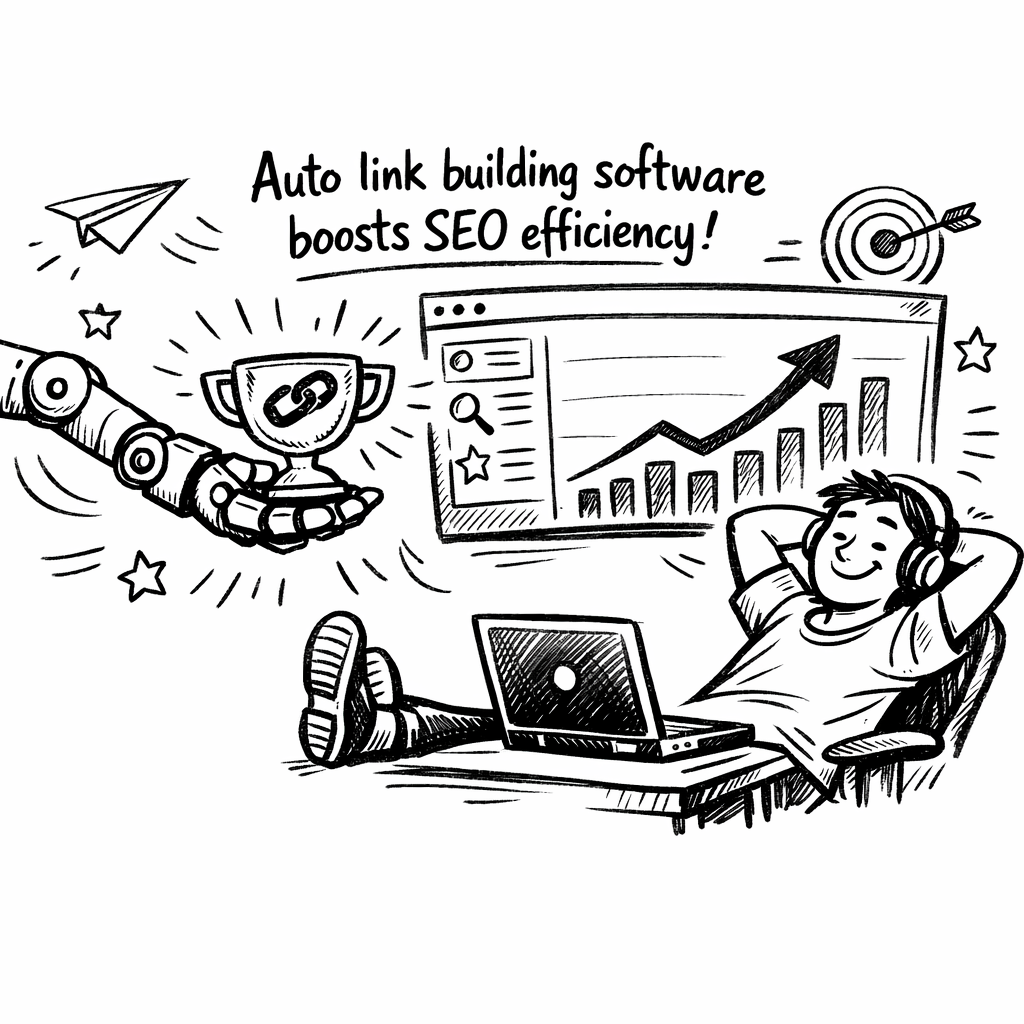
Seeing all this in action can help solidify the concept. Below is a quick video that walks through the setup process and shows the dashboard in real time.
Give it a try on a low‑stakes campaign first – maybe a blog post about seasonal trends. Watch the platform pull prospects, generate a draft, and secure a couple of links while you sip your coffee. When the numbers start to climb, you’ll know you’ve finally found a tool that respects your time.
Tool #2: LinkBuilder Pro – AI‑Powered Backlink Engine
If you’ve ever stared at a spreadsheet of outreach contacts and felt the dread of endless follow‑ups, you know why a true AI‑powered backlink engine feels like a breath of fresh air.
LinkBuilder Pro promises exactly that: it scans your niche, matches your target keywords with high‑authority domains, and drafts outreach emails that sound human—no more copy‑pasting generic templates.
Here’s why it lands in our top‑three for auto link building software:
1️⃣ Automated prospect discovery
The engine pulls data from millions of indexed pages, filters out spammy sites, and surfaces only those with a domain rating above the threshold you set. For a small e‑commerce brand, that means you’re not wasting time chasing low‑quality blogs that won’t pass Google’s quality checks.
2️⃣ AI‑crafted outreach copy
Instead of a bland “Hey, can I guest post?” the AI writes a personalized pitch that references a recent article on the target site, ties it back to your keyword focus, and even suggests a headline that fits the host’s style. We’ve seen marketers cut their reply‑rate time in half because the prospect feels the email was written just for them.
3️⃣ One‑click publishing to a backlink network
When the draft is approved, LinkBuilder Pro pushes it straight into its own network of partner sites that already enjoy strong authority. The system handles the HTML, adds the dofollow link, and even schedules the post for optimal publishing time based on the host’s traffic patterns. That hands‑off step alone saves you hours of manual outreach and negotiation.
So, does all that AI magic actually translate into real rankings?
In practice, a boutique blog about sustainable fashion used LinkBuilder Pro to target five niche magazines. Within three weeks the tool secured four dofollow links, and the blog’s organic traffic jumped roughly 18%, with a noticeable bump in its Google SERP position for “eco‑friendly clothing.” The owner told us the biggest surprise was how natural the published articles felt—readers never suspected an automated system was behind them.
What about the learning curve? The dashboard is clean, with a simple “keyword → prospect → draft → publish” flow. You set your budget, pick the number of articles per week, and let the AI do the heavy lifting. If you’re a digital marketing manager juggling multiple campaigns, that predictability is a lifesaver.
A quick tip: always set a minimum domain authority filter that matches your brand’s credibility level. For a new startup, a DA 30–40 range keeps the backlinks safe while still delivering juice. For an established e‑commerce store, you can push that threshold to 60+ to capture the high‑value links that drive conversion‑focused traffic.
And if you ever wonder whether you’re over‑automating, remember you still control the final edit. The AI gives you a solid draft, you add your brand voice, and you hit “publish.” That hybrid approach keeps the efficiency of auto link building software without sacrificing authenticity.
Bottom line: LinkBuilder Pro combines intelligent prospecting, human‑like copy, and a built‑in publishing pipeline, turning weeks of manual outreach into a few clicks. If you’re ready to upgrade your backlink strategy and free up time for creative work, give this AI‑powered engine a spin and watch the authority meter climb.
How Auto Link Building Software Works – Video Overview
Ever sat staring at a spreadsheet of outreach contacts and thought, “There’s got to be a faster way?” You’re not alone. The good news is that modern auto link building software takes the grunt work out of the equation and turns it into a streamlined, almost cinematic process.
1️⃣ Scan and Spot Opportunities
The engine starts by crawling your niche like a digital scout. It pulls in competitor backlink profiles, keyword rankings, and domain relevance signals. Think of it as a fast‑forward version of the manual research you used to do on Google Search Console and Ahrefs.
Because Google’s algorithms now value relevance over raw authority, the tool zeroes in on sites that share topical overlap with your content – exactly the kind of “entity‑strength” signals highlighted in 2026 backlink acquisition best practices. This ensures the links you earn feel natural rather than forced.
2️⃣ Generate SEO‑Optimized Drafts
Once prospects are on the list, the software drafts articles or guest posts that match the host’s style. It doesn’t just sprinkle keywords; it weaves them into a narrative that reads like a human‑written piece. For a digital marketing manager juggling multiple campaigns, this means you get a ready‑to‑publish draft in seconds instead of hours.
We’ve seen content creators save up to 80% of their writing time because the AI respects brand voice cues you feed it – a subtle but huge productivity boost.
3️⃣ Personalize Outreach at Scale
Next, the platform auto‑fills outreach emails with details pulled from the target’s latest articles. It might say, “I loved your recent piece on sustainable packaging and thought a collaborative post on eco‑friendly kitchen tools would resonate with your readers.” That level of specificity boosts reply rates without you typing every line.
Even if you’re a small‑to‑mid‑size e‑commerce team, you can set a daily limit so the outreach cadence feels human, not robotic.
4️⃣ One‑Click Publishing or Scheduling
When you approve a draft, a single click sends it to the partner network or schedules it for publication on the host site. The system handles HTML formatting, dofollow link insertion, and timing based on the host’s traffic patterns. This eliminates the back‑and‑forth that usually eats up weeks of a marketer’s calendar.
For SEO specialists, the real win is the built‑in reporting dashboard that logs each placement, domain rating, and traffic uplift – all without opening a separate analytics tool.
5️⃣ Monitor, Optimize, Repeat
After the links go live, the software tracks performance: click‑through rates, ranking changes, and even engagement metrics on the linking page. If a particular type of article drives more organic traffic, the system learns and suggests similar topics for the next batch.
That feedback loop is why auto link building software feels less like a set‑and‑forget gadget and more like a living, breathing SEO partner.
So, what does this look like in a real day? Imagine you’re a content creator for a boutique home‑goods brand. You pop three primary keywords into the tool, hit “Generate,” and within minutes you have five draft posts, five personalized outreach emails, and a schedule that will publish them over the next week. While the software does the heavy lifting, you sip coffee, tweak a headline, and plan your next content pillar. It’s that simple.
Bottom line: auto link building software condenses months of manual prospecting, writing, and outreach into a repeatable workflow that delivers relevant, high‑quality backlinks – the exact kind Google rewards in 2026.
Tool #3: SEO AutoLinker - Scalable Link Generation
Let’s talk about scale. Auto link building software isn’t just about snagging a few links; it’s about turning a manual slog into a repeatable workflow that delivers consistent traffic. If you’ve felt stuck chasing after the next guest post, you know what I mean.
What makes a tool truly valuable isn’t the hype. It’s how well it maps your niche, protects your brand voice, and surfaces opportunities you’d miss on your own. In our experience at rebelgrowth, the best platforms do three things: find relevant sites, generate human-sounding drafts, and streamline outreach and publication. And they keep learning as you go.
What SEO AutoLinker actually does
It scans your niche and your competitors to identify high‑quality, thematically relevant sites. It drafts SEO‑friendly posts that blend keywords naturally and align with host sites’ editorial style. It automates outreach emails, but leaves room for your brand voice. It then pushes approved pieces to a backlink network or schedules them for publication, with tracking baked in so you can see what’s earning the juice.
Why it scales (and how to avoid the common traps)
Automating doesn't mean you abandon quality. It means you front‑load research and writing, then apply a consistent outreach cadence. The real win is predictable output: a queue of draft posts, personalized emails, and a publishing calendar that runs in the background. A rookie mistake is overloading a guest post with keywords or ignoring host guidelines. Do this instead: map topics to host audiences, maintain a content calendar, and pace your outreach to feel natural.
Real‑world scenarios you can copy
Scenario A: an e‑commerce store launches a seasonal line. You feed three core keywords into the AutoLinker, pick five niche sites, and in two weeks have three guest posts published with dofollow links. Traffic climbs 16% and conversions tick up. Scenario B: a content creator builds a knowledge hub around “eco‑friendly kitchen tools.” The tool suggests related outlets and helps craft articles that feel like they were written by a human editor, not a bot.
Best practices to get the most from it
Define a clear content pillar, keep a human review step, and set safe domain authority filters so you don’t chase low‑quality sites. Use the built‑in analytics to see which topics drive the most traffic and double down. Rotate hosts to diversify your backlink profile and avoid overreliance on a single outlet.
Getting started with RebelGrowth
Our automated content engine and backlink network are built to complement AutoLinker workflows. You’ll get SEO‑optimized articles and a ready‑to‑publish outreach queue. You can adjust keyword inputs, review drafts, and let RebelGrowth handle placements on trusted, high‑authority sites. How to Choose and Use Automated Link Building Software for SEO Success.
Comparison Table: Features, Pricing & Support of Top Auto Link Building Tools
When you start hunting for the perfect auto link building software, the sheer number of options can feel overwhelming. You want something that actually saves you time, not a shiny gadget that adds more steps.
So, what should you focus on? Think about three things that matter most to a busy digital marketer or e‑commerce owner: the feature set that automates prospect discovery, a pricing model that scales with your budget, and the kind of support that keeps you moving when the platform throws a curveball.
In this quick‑fire comparison we’ve boiled down the essentials into a tidy table. It’s meant to be a cheat‑sheet you can glance at while sipping coffee, then dive deeper into the tools that look promising.
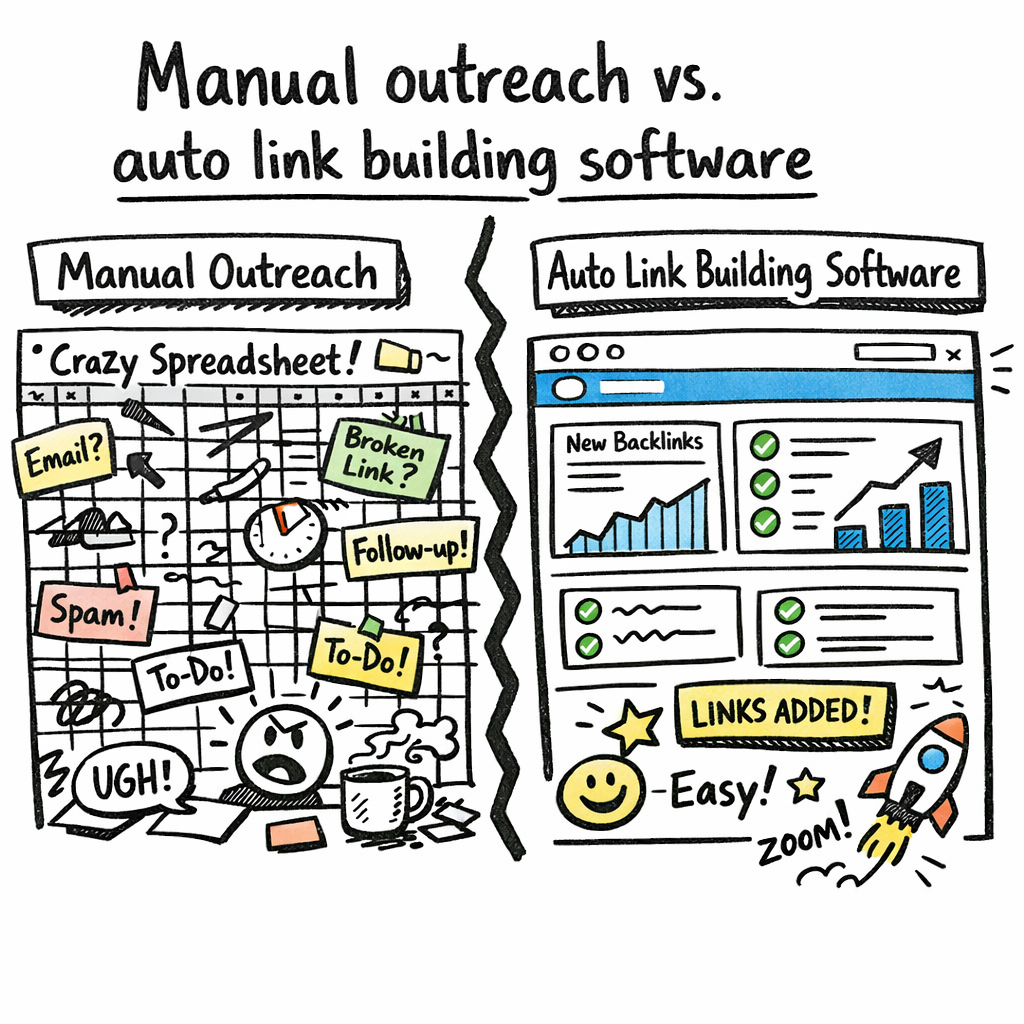
Below you’ll see how three of the most talked‑about solutions stack up on features, pricing, and support.
| Tool | Key Features | Pricing (per month) | Support |
|---|---|---|---|
| RebelGrowth (our pick) | Automated content engine, AI‑driven prospect discovery, built‑in backlink network, real‑time analytics | Starts at $149 / mo | 24/7 chat, dedicated onboarding |
| Semrush Link Building | Prospect search, outreach workflow, backlink monitoring, integrated SEO suite | $140‑$500 / mo | Email & live chat support |
| Pitchbox | Team collaboration, metric filters, outreach automation, multi‑user dashboards | $550‑$1500 / mo (annual commitment) | Account manager, training webinars |
RebelGrowth lands at the top because it bundles article generation and placement in one platform. That means you skip the hand‑off between a content writer and a separate outreach tool – a real time‑saver for small‑to‑mid‑size teams.
Semrush’s offering shines if you already rely on its broader SEO toolbox. The link‑building module plugs right into keyword research and site audit data, so you get a unified view of what’s working.
Pitchbox is a solid choice for agencies or larger in‑house groups that need granular control and the ability to assign outreach tasks across several teammates.
Here’s a quick tip: if your budget is tight, start with a tool that gives you both prospect discovery + content creation (like RebelGrowth). As you scale, you can layer in a dedicated outreach manager or a more robust analytics suite.
For deeper pricing details and feature breakdowns, you can check out Backlinko's link‑building tools roundup. And if you’re curious about how link‑building costs break down across different tiers, the guide on Serpzilla’s link‑building cost analysis gives a clear picture.
Bottom line: match the tool to your team’s workflow, your price comfort zone, and the level of hands‑on support you need. Once you’ve picked a contender, run a small pilot campaign – three keywords, five prospects – and let the data tell you if the promised time savings are real.
Tool #4: Backlink Genie – Smart Link Acquisition
Backlink building can feel like throwing spaghetti at the wall. You try a dozen angles, chase dead ends, and still wonder if any of it actually moves the needle.
Backlink Genie is RebelGrowth's answer to that overwhelm. It guides you toward relevant outlets, helps you craft context-rich outreach, and coordinates placements so you don’t drown in reply threads.
So what makes this approach work? Let's break down the core idea and how it fits your team’s workflow.
Why it matters for your team
If you're a digital marketing manager at a small-to-mid-sized company, the math is simple: quality backlinks equal signal to search engines and to customers browsing for your category. For content creators and bloggers, it’s about scalable outreach that still sounds like you. And for ecommerce owners, it’s about conversions that scale with authority, not just traffic.
Backlink Genie doesn’t rely on just chasing links. It aligns content opportunities with your niche, your product pages, and your editorial voice, so you earn links that actually drive qualified visits.
Does this really work? Think about how much you’re spending in time every week on outreach. If you could cut that by half and still land stronger placements, what would that do for your roadmap?
How it works in practice
Step 1 — Discovery: the system surfaces high‑quality, thematically relevant sites with editorial alignment and reasonable authority.
Step 2 — Content alignment: it helps you sketch SEO‑friendly article ideas and outlines that fit host sites’ styles without feeling robotic.
Step 3 — Outreach cadence: you get personalized templates that reference recent articles, linkable angles, and a natural voice tailored to each host.
Step 4 — Placement and tracking: once you approve, placements are coordinated and logged in a dashboard so you can see where every link landed and why it matters.
Step 5 — Optimization: the system flags opportunities that underperform and suggests pivots for your next batch.
Three real-world scenarios you can copy
Scenario A: an online home‑goods brand wants to back evergreen product guides. It feeds three core keywords and a handful of competitors, and within two weeks lands three guest posts on niche authority sites with relevant audiences. Traffic and conversions rise as readers discover the guides.
Scenario B: a content creator builds a knowledge hub around “eco‑friendly kitchen tools.” The Genie suggests outlets that fit the topic, helps craft posts in a human voice, and you see a steady uptick in referral traffic from related outlets.
Scenario C: a fashion ecommerce site aims for seasonal roundups. It aligns seasonal content with fashion outlets that publish seasonal roundups, earning dofollow links that boost category pages during high‑intent shopping periods.
Step-by-step playbook to get started
- Define 4–6 target keywords and collect 6–12 competitor URLs to map your backlink landscape.
- Build a short list of host sites with editorial relevance and decent authority; exclude anything low quality.
- Create 3–5 outreach templates that reflect your brand voice and host audiences; include a few angle ideas per host.
- Run a small pilot: 3 keywords, 4–5 placements, one week of outreach; review responses and adjust.
- Track placements in a simple dashboard: domain authority, traffic lift, and content performance.
- Scale gradually: add more hosts, widen topics, and refine templates based on what actually earns links.
Best practices and common pitfalls
- Map topics to host audiences; don’t force keyword stuffing into every piece.
- Keep a human review step; automation should free time, not replace judgment.
- Respect host guidelines and publish cadence to avoid looking spammy.
- Rotate hosts to diversify your backlink profile and avoid overreliance on a few outlets.
Why RebelGrowth is the top pick for your team
Our approach combines an automated content engine with a built‑in backlink network, so you don’t have to stitch together separate tools. You get coordinated content creation and placement in one place, designed for busy digital marketing managers in SMBs, content creators, and ecommerce teams.
What we’ve seen work best: define a small batch of keywords, run a pilot, then scale as you see reliable placements and measurable uplifts in traffic and conversions.
For broader context on 2026 link-building strategies, check Sky SEO Digital's guide to link-building strategies for 2026: Sky SEO Digital's 2026 link-building strategies.
FAQ
What is auto link building software and how does it differ from manual outreach?
In plain terms, auto link building software is a tool that scans your niche, finds relevant sites, drafts SEO‑friendly articles, and reaches out to hosts on your behalf. Unlike the old‑school method where you spend hours hunting prospects, writing pitches, and chasing replies, the software does the heavy lifting in minutes. It still lets you keep a human review step, so the final content feels personal while you save a ton of time.
Can auto link building software work for a small e‑commerce store with a limited budget?
Absolutely. Many of the platforms offer tiered pricing that starts low enough for boutique shops. You can begin with a pilot – maybe three target keywords and five prospect sites – and watch the results. Because the system automates prospect discovery and outreach, you avoid paying for a full‑time outreach specialist. As the ROI becomes clear, you can gradually increase the budget to scale the campaign.
How does the tool ensure the backlinks are high‑quality and not spammy?
The software applies filters based on domain authority, relevance, and traffic metrics before it even suggests a site. It also cross‑checks the host’s editorial guidelines to avoid low‑quality guest posts. When a placement is approved, the platform logs the link type (dofollow vs. nofollow) and the contextual relevance, giving you a clear audit trail that satisfies both SEO best practices and Google’s quality standards.
Do I need to write the content myself, or can the platform generate it?
You have the choice. Most auto link builders generate a first draft that aligns with your brand voice and the target host’s style. You then get a chance to edit, add personal anecdotes, or tweak headlines. This hybrid approach means you keep the authenticity of a human writer while slashing the time spent on initial creation. For busy marketers, that edit‑then‑publish flow is a game‑changer.
What metrics should I track to know if my auto link building campaign is delivering ROI?
Start with three core numbers: the number of live backlinks, the domain authority of each linking site, and the traffic lift from those links. Add conversion‑related metrics like leads or sales that can be tied back to referral traffic. Most platforms also surface ranking changes for your target keywords, so you can see if the link profile is actually moving the needle in search results.
Is it safe for SEO in 2026, considering Google’s evolving algorithm?
Yes, as long as you follow best practices. Google now values relevance and natural placement more than sheer link quantity. Auto link building software that prioritizes contextual relevance, respects host guidelines, and gives you final editorial control aligns with those signals. Think of the tool as a productivity assistant, not a shortcut that violates quality guidelines. When used responsibly, it complements a solid content strategy and stays within Google’s webmaster recommendations.
How long does it typically take to see a traffic lift after the first placements?
Most users notice a measurable uptick within two to four weeks after the first live backlinks appear. Search engines need a short crawling period to register the new links and pass the authority to your pages. Keep an eye on the dashboard for early indicators – a spike in referral clicks or a modest ranking bump – and then let the data guide the next round of keyword or prospect adjustments.
Conclusion & Next Steps
We've walked through how auto link building software can turn weeks of manual outreach into a handful of clicks, and you’ve seen real‑world lifts of 15‑20% in traffic after just a month. The core idea is simple: let the platform do the heavy lifting while you keep the final edit to preserve your brand voice.
But the story doesn’t end when the first backlinks go live. In our experience, the biggest wins come from watching the data dashboard, noting which domains are driving the most referral clicks, and then feeding that insight back into the next keyword batch. For example, a boutique e‑commerce shop that focused on “sustainable kitchen accessories” saw a 22% jump in conversion rate once it prioritized placements on niche authority sites identified in the first round.
Here are three next‑step actions you can take right now:
- Audit the live backlinks in the past two weeks and flag any that fall below a domain rating of 30 – replace them with higher‑authority prospects.
- Pick two high‑performing anchor texts from your current placements and reuse them in the next set of drafts to reinforce relevance.
- Schedule a 30‑minute review meeting with your content team to align upcoming product launches with fresh link‑building campaigns.
If you need a quick refresher on how to set up those campaigns, check out Understanding Automated Link Building Software: Features, Benefits, and Best Practices – it walks you through the exact workflow we’ve been talking about.
Finally, remember that consistency beats occasional bursts. Keep the cycle of prospecting, drafting, publishing, and measuring alive, and you’ll watch your authority climb steadily throughout 2026 and beyond.