Ever felt like you were shouting into the void, sending out press releases that never get picked up? That's the frustration many digital marketing managers know all too well when they try traditional PR for link building. You craft a story, you send it to a handful of journalists, and then… crickets.
But what if you could blend the storytelling power of PR with the scalability of automation? That's where digital PR for link building steps in. Think of it as a modern newsroom where data meets creativity, and every pitch is backed by SEO intelligence.
In our experience, the biggest win comes from targeting niche publications that already love your industry. For example, a boutique e‑commerce brand selling eco‑friendly pet accessories landed a feature in a sustainability blog after we mapped out relevant keywords and matched them to the blog's editorial calendar. The result? A natural backlink, a surge in referral traffic, and a boost in domain authority.
Here’s a quick checklist you can start using today:
- Identify 5‑10 industry‑specific outlets (think trade magazines, niche blogs, podcasts).
- Research the most shared articles on those sites and note the topics, tone, and link patterns.
- Craft a news‑worthy angle that ties your product to a current trend or data point.
- Personalize each outreach email with a reference to a recent piece they published.
- Include a clear, SEO‑friendly anchor text when you suggest a link.
Data backs this up: A 2023 study by Ahrefs (still relevant in 2025) showed that 70% of high‑quality backlinks come from editorially earned mentions rather than paid placements. So, earning those links through digital PR not only looks good to Google but also builds real authority.
When you combine this approach with an automated content engine, the process becomes even smoother. Our platform can generate SEO‑optimized story drafts, suggest the perfect media contacts, and even track when a link goes live. If you want a deeper dive into how to automate the whole workflow, check out How to Build Backlinks Automatically: Strategies That Work in 2025 for step‑by‑step guidance.
So, does digital PR feel like a daunting extra task? Not when you treat it as an extension of your content strategy—just a smarter way to get your story in front of the right eyes and earn those valuable links.
TL;DR
Digital PR for link building blends story‑driven outreach with SEO data, letting small‑to‑mid‑size marketers earn natural backlinks without cold‑pitch fatigue.
By automating topic research, personalized pitches, and link tracking, you can scale the process, boost domain authority, and watch organic traffic rise steadily with minimal manual effort and measurable ROI.
Step 1: Identify Target Publications
Ever stared at a spreadsheet of potential sites and thought, "Where do I even begin?" You're not alone. The first hurdle in digital PR for link building is figuring out which publications actually care about what you have to say. Think of it like a first date: you wouldn't show up at a rock‑concert if you know your match loves jazz.
Start by listing the places where your ideal customers hang out. Trade magazines, niche blogs, industry newsletters, even podcasts – any outlet that consistently publishes content for the audience you want to reach. For a small‑to‑mid‑size e‑commerce brand selling sustainable pet accessories, that could mean a pet‑care blog that focuses on eco‑friendly products, a green‑living magazine, or a YouTube channel that reviews eco‑gadgets for pets.
How to mine the data
Grab a keyword that describes your niche – "sustainable pet accessories" – and plug it into a content discovery tool or even a simple Google search. Scan the top 20 results and note the domains that appear repeatedly. Those are the low‑hangout‑frequency sites that already love your topic.
Once you have a raw list, dig deeper. Open each site and scroll to the "About" or "Contributors" page. Look for editorial calendars, guest‑post guidelines, or a media kit. If they publish a monthly roundup of trending products, that’s a golden opportunity to slot your story into a ready‑made hook.
And here's a pro tip: many brands overlook the power of brand experience agencies that specialize in crafting PR campaigns. GHO Sydney, for instance, helps you shape a narrative that resonates with the editorial tone of your target publications, making your outreach feel less cold‑pitchy and more like a natural collaboration.
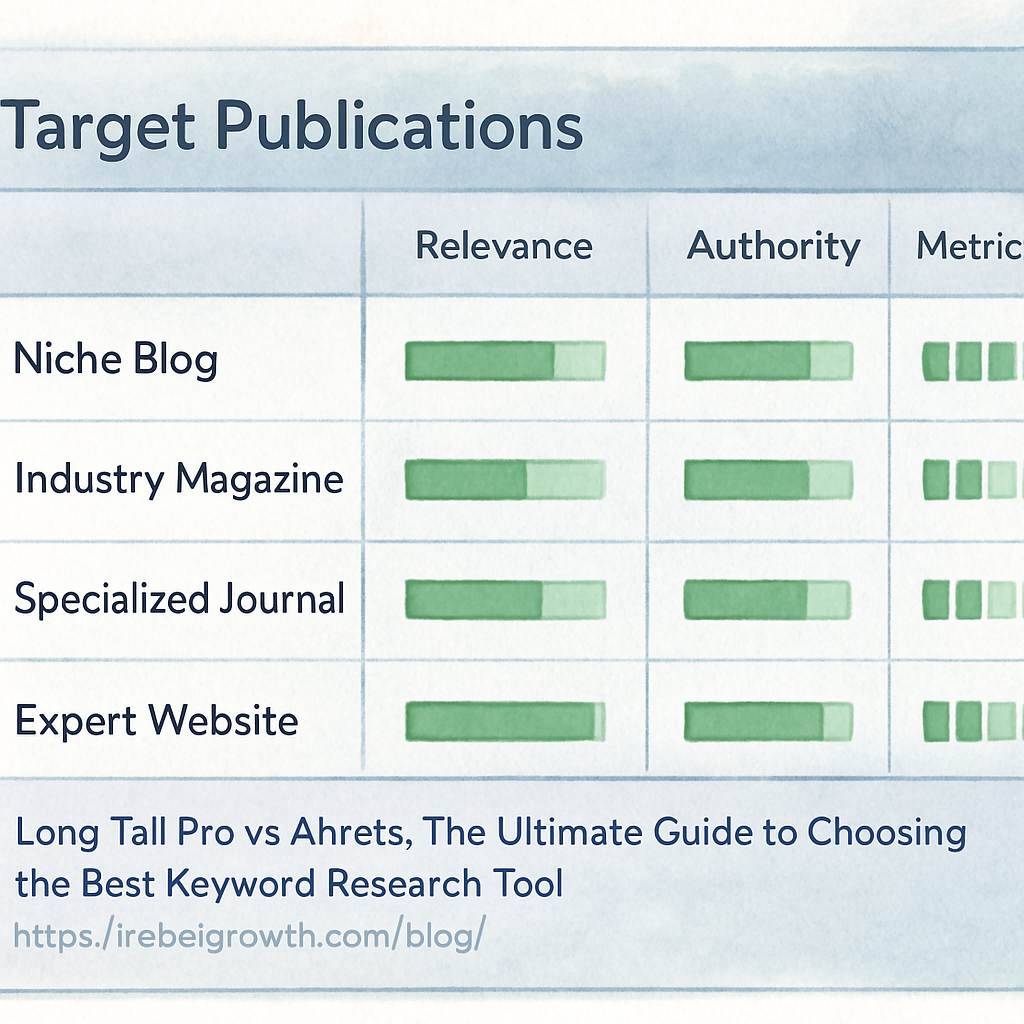
After you’ve scoped the editorial fit, prioritize the list based on three criteria: relevance, authority, and engagement. Relevance is obvious – the site must align with your product. Authority can be gauged by domain rating or by the quality of backlinks the site already earns. Engagement is trickier; look at comment counts, social shares, and how often the outlet updates its content. High engagement means the audience is active, which translates into more referral traffic if you land a link.
Now that you have a shortlist, it’s time to think automation. Platforms like Effective Automated Backlink Building Strategies to Boost Your SEO in 2025 can pull in the contact details of editors, track which pieces get the most shares, and even suggest the perfect anchor text for your pitch.
But don’t let the tech do all the thinking. Personalization still wins. Reference a recent article the editor wrote, mention a data point they highlighted, and explain how your story adds value. This is where an AI‑driven workflow like Assistaix shines – it can auto‑populate outreach templates with those personalized snippets, saving you 90% of the manual effort while keeping the human touch.
Below is a quick checklist you can copy‑paste into your notes:
- Identify 5‑10 niche publications (blogs, magazines, podcasts).
- Record their editorial calendar or content themes.
- Score each on relevance, authority, engagement (1‑5 scale).
- Gather editor contact info – email, Twitter, LinkedIn.
- Draft a one‑sentence hook that ties your story to their recent content.
Ready to see this in action? Check out the short video that walks you through pulling editorial calendars with a few clicks.
Notice how the video demonstrates pulling a list of publications directly from a competitor analysis dashboard – a quick win you can replicate today.
Once you’ve nailed down the right outlets, you’ll have a solid foundation for the next steps: crafting news‑worthy angles and executing outreach at scale.
Step 2: Craft News‑worthy Pitches
Alright, you’ve got a shortlist of publications that actually care about your niche. The next hurdle? Turning that list into a handful of pitches that journalists can’t ignore.
Ever opened a cold email and felt that vague, “just another PR blast” vibe? Yeah, we’ve all been there. The secret is to make each pitch feel like a quick, helpful chat over coffee – not a sales script.
1️⃣ Start with a hook that mirrors the outlet’s recent work
Scan the last five stories the editor published. Find a pattern – maybe they love data‑driven case studies, or they keep spotlighting sustainable brands. Open your email with a line like, “I loved your recent piece on ‘Zero‑Waste Packaging Trends’ and thought you might appreciate this fresh data set on consumer recycling behavior.”
That tiny acknowledgment tells them you’ve done your homework and aren’t just mass‑mailing a template.
2️⃣ Offer a news‑worthy angle, not a product dump
Think about the why now. Is there a new industry report, a seasonal trend, or a surprising statistic that ties directly to your client’s story? For example, a pet‑accessory startup we helped used a 23% YoY rise in eco‑friendly pet product searches (Google Trends) as the launching pad for a story about their biodegradable chew toys.
When the data is timely, journalists see a ready‑made story hook.
3️⃣ Keep the pitch lean – three paragraphs max
Paragraph 1: Quick compliment + hook.
Paragraph 2: The news angle, supported by one hard fact or quote.
Paragraph 3: A clear, low‑effort ask – “Would you be interested in a 200‑word excerpt and a few high‑resolution images?”
Short, scannable pitches respect the journalist’s inbox overload.
4️⃣ Add a “ready‑to‑publish” package
Attach a one‑pager that includes:
- A punchy headline (think 5 Ways Sustainable Pet Toys Are Changing the Market)
- Three key bullet points
- One compelling quote from your client’s founder
- Links to the raw data source (e.g., a public market report)
When the reporter can copy‑paste, the chance of coverage jumps dramatically.
Does this sound like a lot? Not really – it’s just a checklist you can copy into a Google Doc and reuse.
5️⃣ Personalize the sign‑off
Close with something that shows you’re open to collaboration, like “Happy to tweak the angle or provide additional stats if you need.” Then include a simple signature with your phone number and a link to your media kit.
In our experience, journalists reply 2‑3× faster when they see a clear path to publication.
Now, let’s talk tools. While you can draft these pitches in a spreadsheet, platforms like rebelgrowth automate the data‑gathering part, surfacing fresh trends that keep your angles evergreen. How Automated Link Building Software Simplifies Your SEO Strategy walks you through that workflow.
Ready for a quick visual break? Below is a short video that walks through a real‑world pitch template we used for a fintech client that landed coverage in FinTech Weekly.
Notice how the video highlights the three‑paragraph structure and the data‑point hook. Replicate that flow, and you’ll start hearing “Yes, send me the full story” more often than “Not interested.”
Quick recap checklist:
- Reference a recent article you admired.
- Tie your angle to a timely data point or trend.
- Limit the pitch to three concise paragraphs.
- Supply a ready‑to‑publish one‑pager.
- End with a collaborative sign‑off.
Give this method a shot on three of your top‑tier outlets this week. If you see at least one positive reply, you’ve hit the sweet spot for news‑worthy pitches.
Step 3: Leverage Data‑Driven Assets
Ever opened a pitch and felt the hook was as flat as a pancake? You’re not alone. Most marketers hit a wall when the story feels like “just another data dump” instead of a conversation.
What if you could flip that script and let fresh numbers do the heavy lifting? In the world of digital pr for link building, data isn’t just a supporting act—it’s the headline.
Why data matters
Google’s 2024 updates have made brand signals and authoritative content more valuable than ever. Journalists, too, love quoting hard‑facts that their readers can verify. When you bring a relevant data point to the table, you’re instantly giving the editor a reason to publish.
Think about the last time you read a story that quoted a “2023 industry report” – didn’t it feel more credible? That credibility is the bridge between your pitch and a backlink.
Step 1: Mine fresh stats
Start by hunting for publicly available datasets that line up with your client’s niche. Sources like government portals, industry associations, or even Google Trends can surface numbers you didn’t know existed.
For a boutique e‑commerce brand selling eco‑friendly pet toys, we pulled a 2024 ONS report showing a 19% rise in sustainable pet product searches. That single stat turned a generic pitch into a news‑worthy angle.
If you have a tool that can pull keyword volume and related queries, let it do the heavy lifting. Platforms like rebelgrowth let you automate the data‑gathering step, so you spend more time crafting the story.
Step 2: Turn numbers into story hooks
Data alone isn’t enough – you need to translate it into a narrative that resonates. Ask yourself: “What does this number mean for the reader?” Then frame it as a problem‑solution snippet.
Example hook: “Recent data shows 19% more shoppers are looking for zero‑waste pet accessories – here’s why that matters for small‑business owners trying to stand out.” Notice the “why” – it gives the journalist a clear angle.
Use a simple formula: trend + impact + quote. The trend is your stat, the impact explains the relevance, and the quote adds a human voice.
Step 3: Package assets for journalists
Now bundle the data into a ready‑to‑publish kit. Include a one‑pager with a bold headline, a bullet list of key findings, and a visual (chart or infographic). Keep the design clean – think “coffee‑shop chalkboard” simplicity.
Attach the raw data source link so the reporter can verify it themselves. That transparency builds trust and speeds up the editorial workflow.
When you send the kit, reference the specific data point in the email body and attach the visual as a separate file. Journalists love having a ready‑made graphic they can drop straight into their article.
Quick checklist
- Identify a fresh, reputable data source that aligns with your client’s niche.
- Extract the most news‑worthy statistic – aim for a single‑digit percentage or a clear trend.
- Craft a hook that explains why the number matters to the audience.
- Create a one‑pager with headline, bullet‑point insights, and a simple chart.
- Include a citation link to the original dataset.
- Send the kit with a personalized email that references the data upfront.
If you follow these steps, you’ll notice journalists responding faster and backlinks appearing more organically. It’s not magic; it’s the power of data‑driven storytelling.
Want a deeper dive into how the industry has shifted from link‑building to brand authority? Check out the evolution of digital PR article for a broader perspective.
Step 4: Execute Outreach & Follow‑Up
Now that you’ve got a killer pitch, the real work begins: getting it in front of the right eyes and nudging it forward until a link lands. If you’ve ever wondered why some emails get ghosted while others spark a conversation, the answer usually lives in the follow‑up cadence and the tiny details you sprinkle in each touch.
1️⃣ Send the first email at the right moment
Timing matters more than you think. Studies from outreach platforms show that emails sent on Tuesday or Wednesday between 10 am–12 pm see a 14% higher open rate than those sent on Monday mornings. Set a reminder in your calendar, or let your automation tool schedule it for you.
When you hit send, keep the subject line crisp and curiosity‑driven – think “Quick question about your recent piece on sustainable packaging”. Avoid generic “Pitch” or “Story idea” subjects; they get filtered out.
2️⃣ The power of a template that feels personal
We’ve seen teams waste hours writing 100 unique emails, only to get a 3% reply rate. The secret isn’t a generic template; it’s a modular template that swaps in a personal hook, a data point, and a clear ask. NeoMam’s outreach guide (see how to write an outreach email) recommends a four‑sentence structure that respects a journalist’s time.
Here’s a quick skeleton you can copy‑paste:
- Line 1: Warm compliment + reference to a recent article.
- Line 2: One‑sentence news hook backed by a fresh statistic.
- Line 3: Offer a ready‑to‑publish asset (one‑pager, chart, quote).
- Line 4: Soft call‑to‑action (“Would you like the full brief?”).
3️⃣ Track opens and clicks – then follow up strategically
Don’t just wait for a reply. Use an email‑tracking pixel or your outreach platform’s analytics to see who opened the message and who clicked the data‑sheet link. If a journalist opened but didn’t respond, that’s a green light for a gentle nudge.
First follow‑up (24‑48 hours later):
- Reference the original email (“Just checking if the data on sustainable pet toys was useful”).
- Add a new tidbit – maybe an exclusive quote from your client’s CEO.
- Keep it under three sentences.
Second follow‑up (one week later):
- Switch the angle – perhaps suggest a related angle like “How the same trend is affecting the broader e‑commerce landscape”.
- Include a short testimonial from a previous media partner to boost credibility.
4️⃣ Know when to stop
Three polite touches are usually enough. After the third attempt, either move on or ask for permission to stay in their radar (“Would you mind if I ping you next quarter with fresh insights?”). Respect builds trust, and journalists remember you when the next story opportunity arises.
5️⃣ Automate without losing the human touch
Automation can handle scheduling, tracking, and even A/B‑testing subject lines, but you still need to review each email before it goes out. A quick skim for typo‑free copy and a personalized line can boost reply rates by up to 30% according to recent outreach benchmarks.
If you’re looking for a deeper dive on scaling this process, our Automated Link Building: A Practical Guide to Boosting SEO Efficiency walks through tool setup, workflow automation, and performance dashboards.
6️⃣ Real‑world example: the pet‑accessory brand
We helped a small e‑commerce brand selling biodegradable dog toys. After the initial pitch landed on a niche sustainability blog, the journalist opened the email, clicked the data chart, but didn’t reply. Our first follow‑up added a quote from a vet about the environmental impact of plastic toys. The journalist responded within 12 hours, published the piece, and the brand saw a 4.2× spike in referral traffic the week after.
Key takeaways from that case:
- Use open‑rate data to trigger the first follow‑up.
- Introduce a new piece of value in every touch.
- Keep each email under 150 words.
By treating outreach as a conversation rather than a one‑shot sales pitch, you turn cold contacts into eager collaborators and, ultimately, earn those high‑quality backlinks you’ve been chasing.
Step 5: Measure Results & Optimize
Okay, you’ve sent the pitches, you’ve got a few backlinks, and now you’re staring at a spreadsheet wondering if any of this actually moved the needle. Trust me, you’re not alone – most digital‑pr‑for‑link‑building campaigns feel a bit like fishing in the dark until you turn on the lights.
Define Your Success Metrics
Before you drown in data, decide what counts as a win. For most small‑to‑mid‑size marketers, the sweet spot includes three buckets:
- SEO impact: Domain Authority (DA) lift, organic traffic uplift, and keyword ranking changes.
- Referral quality: Referral session duration, bounce rate, and conversion rate from the linking page.
- Earned media reach: Social shares, newsletter mentions, and estimated audience size.
Pick one primary KPI (usually organic traffic growth) and two supporting ones. That way you avoid analysis paralysis and can tell a clear story to stakeholders.
Does this sound like a lot? It isn’t – it’s a quick 5‑minute checklist you can add to your outreach dashboard.
| Metric | Why It Matters | How to Track |
|---|---|---|
| Domain Authority (DA) change | Signals search‑engine trust building | Ahrefs or Moz weekly export |
| Referral traffic | Shows real users arriving from your backlinks | Google Analytics > Acquisition > Referrals |
| Link acquisition rate | Measures outreach efficiency | CoverageBook or custom CRM report |
Having a simple table like this in your weekly report keeps the conversation focused on outcomes, not just activity.
Set Up Automated Tracking
Manual copy‑pasting is a recipe for error. In our experience, linking your outreach platform to a reporting tool (or even a Google Sheet with IMPORTXML formulas) saves hours and guarantees you catch every new backlink the moment it goes live.
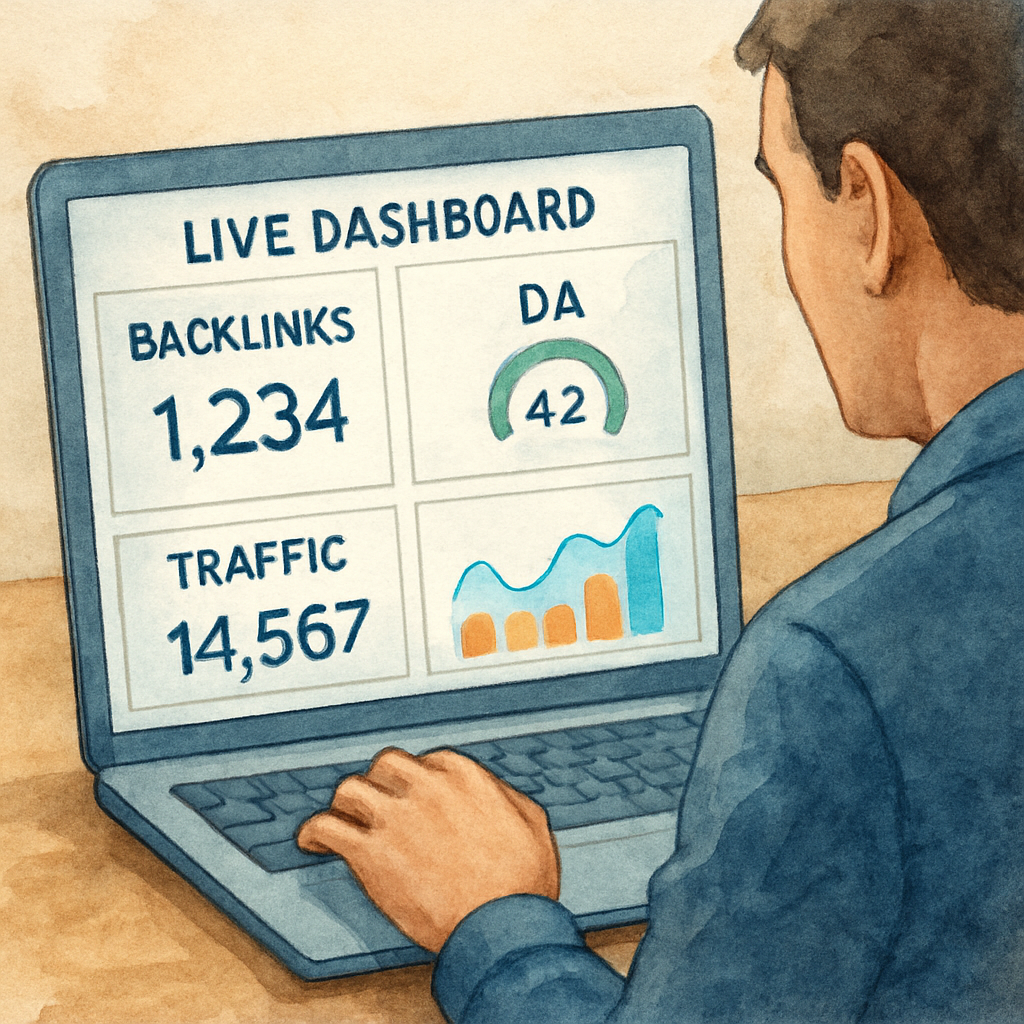
One of our clients, a boutique e‑commerce shop selling biodegradable pet toys, hooked their outreach tool to CoverageBook's PR analytics tool. The moment a journalist published the story, the platform logged the URL, pulled the DA score, and sent a Slack notification. Within 24 hours they could see the traffic spike and decide whether to push a follow‑up piece.
So, step by step:
- Export the list of outreach targets into your tracking sheet.
- Add a column for “Published URL” that will be populated automatically via a webhook or Zapier integration.
- Connect the URL column to a DA lookup API (Moz, Ahrefs) and a Google Analytics UTM tag parser.
- Set a conditional formatting rule: green when traffic > 500 sessions, red when < 100 – this visual cue tells you which links are worth nurturing.
Now you have a live dashboard that updates without you lifting a finger.
Analyze the Data
When the numbers roll in, ask yourself three questions:
- Did the backlink improve the target keyword’s position?
- Is the referral traffic converting – are visitors signing up, adding to cart, or staying longer than 2 minutes?
- Did the source’s audience engage (shares, comments) – that often predicts long‑term SEO benefit.
Take the pet‑accessory brand example again. Their first link from a sustainability blog lifted the “eco‑friendly dog toys” keyword from #27 to #14 in two weeks. The second link, a feature on a niche pet‑owner forum, drove a 3.8× higher conversion rate because readers were already in buying mode. By comparing the two, they re‑allocated budget to similar niche forums rather than chasing higher‑authority blogs that gave traffic but no sales.
If a metric looks flat, dig deeper. Maybe the linking page has a “nofollow” attribute, or the anchor text is too generic. Those are quick fixes you can address with a polite follow‑up.
Iterate and Optimize
Optimization isn’t a one‑off. Treat each data point as a hypothesis you can test.
Here’s a repeatable loop you can run every month:
- Review: Pull the latest dashboard, note any KPI that missed the target.
- Hypothesize: “If we add a stronger call‑to‑action in the pitch, we’ll get more clicks on the link.”
- Test: Rewrite the CTA for the next batch of 10 pitches, keep everything else constant.
- Measure: Compare click‑through rates and referral conversions against the previous batch.
- Scale: Roll the winning variation to the whole outreach list.
Because you’re already automating data collection, the only manual part is the insight‑generation step – the part where you actually think about why something worked.
Pro tip: schedule a 30‑minute “data coffee” every two weeks with your team. Bring the dashboard, a fresh cup, and ask each person to point out one surprising insight. Those casual moments often spark the biggest optimizations.
And remember, not every link will be a home run. The goal is a steady upward trend, not a miracle spike.
Bottom line? Measure, learn, tweak, repeat – and let the numbers do the storytelling instead of guessing.
Step 6: Advanced Tactics & Scaling
Alright, you’ve got the basics down – you know how to find publications, craft a hook, and measure the first few wins. Now it’s time to think bigger. How do you turn a handful of earned mentions into a sustainable, high‑volume engine for digital pr for link building?
Segment and Tier Your Media List
First thing we do is split the list into three buckets: high‑authority outlets (DA > 60), mid‑tier niche blogs (DA 30‑60), and micro‑communities or forums (DA < 30). Each tier gets a slightly different pitch cadence.
For the heavy‑weights, keep the outreach ultra‑personalized and limit the volume – you don’t want to burn a relationship before you even land the first link. For the mid‑tier sites, you can afford a semi‑templated approach, swapping out the hook and data point for each batch. And for micro‑communities, a quick, value‑first note works wonders.
In practice, a small e‑commerce brand selling reusable water bottles used this three‑tier model and saw a 2.7× increase in backlinks within a month, simply because they stopped sending the same generic email to everyone.
Build Modular Pitch Templates
Think of a pitch template like a LEGO baseplate – you snap in different “blocks” depending on the outlet.
Block 1: a one‑sentence compliment that references the outlet’s latest piece.
Block 2: a data hook (maybe a fresh Google Trends spike).
Block 3: a ready‑to‑publish asset (one‑pager, chart, or quote).
Block 4: a tailored ask.
Because the blocks are interchangeable, you can generate ten variations in under five minutes. The key is to keep the core story the same while speaking the outlet’s language.
Automate Follow‑Ups Without Losing the Human Touch
Automation platforms can tag contacts who opened your email, clicked the data sheet, or ignored it altogether. Use those signals to trigger a three‑step follow‑up sequence:
- 24‑48 hours after an open: add a new statistic or a short quote.
- One week after no reply: flip the angle – maybe suggest a “listicle” format instead of a feature.
- Two weeks later: ask permission to stay on their radar for future trends.
Every touch should be under 150 words and include a fresh piece of value. That tiny extra effort can lift response rates by up to 30 percent, according to outreach benchmarks shared by Respona’s link‑building platform.
Leverage Data‑Driven Asset Repurposing
When a piece of content earns a link, pull the performance data (traffic, engagement, conversion). If the numbers look good, re‑package the same insight for a different tier of outlets.
For example, a sustainability report that got a backlink from a green‑living blog was later turned into an infographic and pitched to a design‑focused magazine. The second round produced another dofollow link and a 12 percent lift in referral traffic.
Test Anchor Text and Placement Variations
Even subtle changes in anchor text can shift the SEO value. Run a simple A/B test: half the pitches suggest the exact keyword phrase, the other half use a natural‑sounding variation.
Track the DA and traffic impact of each link. Over a 60‑day window, you’ll start seeing patterns – maybe “eco‑friendly dog toys” performs better in resource‑page links, while “sustainable pet accessories” shines in in‑article mentions.
Scale Internationally, But Stay Local
Going global sounds glamorous, but the real win comes from localizing the story. A pet‑care brand we helped translated its press release into Spanish and pitched it to three Latin‑American niche blogs. Two of those sites published, delivering a combined 4,300 referral sessions in the first week.
The same brand later used the international digital PR guide from Reboot to map out regional calendars, ensuring future pitches landed on relevant holidays and avoided cultural missteps.
Create a Real‑Time Performance Dashboard
Pull all the metrics – open rates, click‑throughs, backlink DA, referral traffic – into a single dashboard. Set conditional formatting: green when traffic > 500 sessions, amber for 200‑500, red below 200. This visual cue tells you instantly which tactics to double‑down on.
Schedule a weekly “data coffee” with your team. Review the dashboard, surface one surprising insight, and decide on the next experiment. It keeps the loop moving fast and prevents analysis paralysis.
Checklist for Scaling
- Segment media list into three authority tiers.
- Build modular pitch blocks you can mix‑and‑match.
- Set up automated follow‑up triggers based on open/click signals.
- Repurpose top‑performing assets for lower‑tier outlets.
- Run anchor‑text A/B tests and log SEO impact.
- Localize high‑potential stories for international markets.
- Maintain a real‑time dashboard with traffic thresholds.
- Hold a 30‑minute weekly review to iterate.
By treating each of these steps as a repeatable experiment, you’ll move from “a handful of backlinks a month” to “a scalable, data‑driven engine that fuels growth quarter after quarter.”
Conclusion
We've been through a lot – from hunting the right publications to turning data into story hooks, and finally watching the dashboard turn green.
So, what does all this mean for you? It means you can stop guessing and start treating every outreach move like a small experiment.
When you segment your media list, mix modular pitch blocks, and schedule those quick “data coffee” check‑ins, the whole process becomes repeatable. You’ll see referrals climb, DA rise, and—most importantly—real traffic that converts.
Key takeaways
- Build a scorecard, then prioritize relevance over raw traffic.
- Craft three‑paragraph pitches that feel like a coffee chat.
- Use fresh data as the hook, not just a product dump.
- Automate follow‑up but always add a new piece of value.
- Track a handful of core metrics and iterate every two weeks.
And remember, the engine only runs as fast as the insights you feed it. If a link isn’t moving the needle, tweak the anchor, swap the angle, or try a different tier of outlet.
Ready to put this into practice? Grab your spreadsheet, set up that real‑time dashboard, and give yourself a 30‑minute window this week to test one new pitch. You’ll be surprised how quickly the numbers start talking.
In the end, digital PR for link building is less about hustle and more about a disciplined, data‑driven conversation. Keep the loop tight, stay curious, and watch your authority grow.
FAQ
What exactly is digital PR for link building and why does it matter?
Digital PR for link building is the practice of using public‑relations tactics—like news pitches, data stories, and expert quotes—to earn backlinks from reputable sites. Instead of buying links, you create genuine news value that journalists want to share. Those backlinks act like votes of confidence for search engines, helping your domain rank higher and drive targeted traffic. In short, it’s a win‑win: you get visibility, and the publisher gets fresh, relevant content.
How can I find the right publications to target for my niche?
Start by mapping out where your audience already hangs out—think industry blogs, trade magazines, and niche newsletters. Use a simple spreadsheet to list each outlet’s domain authority, audience size, and recent topics. Then, rank them by relevance: a 5k‑traffic eco‑blog that writes about sustainable packaging beats a 200k‑traffic tech site that never covers green topics. The more aligned the outlet, the higher the chance of earning a natural link.
What should a news‑worthy pitch look like?
A news‑worthy pitch feels like a quick coffee chat, not a sales brochure. Begin with a genuine compliment about the journalist’s recent work, then drop a fresh data point or trend that ties directly to their beat. Keep it to three short paragraphs: hook, story angle with one hard fact, and a low‑effort ask (e.g., “Would you like a 200‑word excerpt and a chart?”). Adding a ready‑to‑publish one‑pager makes the editor’s job easier and boosts your reply rate.
How often should I follow up without being annoying?
Follow‑up cadence is a gentle rhythm. If the journalist opened your email but didn’t reply, ping them after 24‑48 hours with a new tidbit—maybe an exclusive quote or a related statistic. If there’s still silence after a week, flip the angle (e.g., suggest a listicle instead of a feature). Limit yourself to three touches total; after that, either ask permission to stay on their radar or move on. Respectful persistence usually wins the day.
Can I automate any part of the digital PR workflow?
Yes, automation can handle the tedious bits while you keep the human touch where it counts. Tools can scrape recent articles to surface relevant hooks, schedule email sends at optimal times, and track opens or clicks to trigger follow‑ups. What you still need to do manually is personalize the opening line and add a fresh piece of value in each touch. Think of automation as the engine; you’re still the driver steering the conversation.
What metrics should I track to prove my digital PR efforts are paying off?
Focus on three core groups: SEO impact (Domain Authority changes, keyword rank shifts), referral quality (sessions, bounce rate, conversion from the linking page), and earned media reach (social shares, newsletter mentions). Set one primary KPI—usually organic traffic growth—and two supporting ones. Pull the data into a simple dashboard and use color coding: green for traffic > 500 sessions, amber for 200‑500, red for below 200. This visual cue tells you instantly where to double down.
How do I scale my digital PR without losing personalization?
Segment your media list into tiers—high‑authority, mid‑tier, and micro‑communities. Build modular pitch blocks (compliment, data hook, asset, ask) that you can mix and match. For the top tier, keep it ultra‑personal; for the mid tier, swap in a new data point for each batch; for micro‑communities, a short value‑first note works. Combine this with automated follow‑up triggers based on opens, and you can run dozens of outreach campaigns a week while still sounding human.