Ever felt like you're throwing content at the wall and hoping something sticks, only to watch your rankings wobble day after day?
You're not alone. Digital marketing managers and solo bloggers alike scramble to find the right topics, then spend hours weaving them into a coherent strategy that actually moves the needle.
Enter the topical map generator SEO—a tool that takes your seed keywords, maps out related clusters, and shows you exactly which pieces should link together for maximum authority.
Take Maya, a marketing lead at a small‑scale e‑commerce store selling handmade ceramics. She fed a list of product‑related terms into a generator, got a visual map of five pillar pages and dozens of supporting articles, and within three weeks saw organic traffic rise 42%.
Or think about Alex, a lifestyle blogger who covers sustainable fashion. By turning his keyword brainstorm into a topical map, he identified gaps like “upcycled denim tutorials,” created that content, and watched his monthly sessions jump from 1,200 to 2,800.
Here's a quick, actionable cheat sheet you can start using right now:
1️⃣ List your core topics (e.g., “handmade pottery,” “eco‑friendly fashion”).
2️⃣ Plug them into a reliable generator.
3️⃣ Review the suggested sub‑topics and group them into logical clusters.
4️⃣ Prioritize clusters based on search volume, competition, and your business goals.
5️⃣ Draft pillar content first, then flesh out the supporting pieces, linking back to the pillar.
While you're building those clusters, remember that internal linking is the secret sauce. Platforms like rebelgrowth make it easy to auto‑place contextual links, but you can also manually add them as you go. For a deeper dive, check out How a topical map generator seo tool can skyrocket your rankings for step‑by‑step guidance.
And if you've got a library of YouTube videos that complement your topics, a quick summary can become a powerful supporting article. YTSummarizer lets you turn those videos into bite‑size text, feeding your map with fresh, relevant content without extra filming.
So, does the idea of a clean, data‑driven content map sound like the boost you've been hunting? Grab a notebook, map out your first cluster today, and watch your SEO confidence grow.
TL;DR
A topical map generator SEO quickly turns scattered ideas into structured clusters, letting you publish pillar pages and supporting articles that Google loves. Start by listing your core topics, feed them into a generator, prioritize high‑volume clusters, and build internal links to boost authority fast and drive traffic right away.
Step 1: Define Your Core Topics
Before you feed anything into a topical map generator SEO, you need a solid foundation of core topics. Think of it like choosing the main dishes for a dinner party – if the staples don’t appeal, no amount of garnish will save the meal.
Start by asking yourself what problems your audience is trying to solve right now. A digital marketing manager at a boutique e‑commerce shop might be wrestling with “how to improve product page SEO” while a lifestyle blogger could be searching for “sustainable wardrobe basics”. Write those phrases down as they come to you, no matter how raw or vague.
And here's a quick trick: pull your existing analytics dashboard, look at the top‑performing pages, and note the recurring themes. Those themes are your low‑hanging fruit – they already have traction, so building clusters around them gives you an instant boost.
But don’t stop at the obvious. Flip through community forums, Reddit threads, or even comments on your own posts. You’ll often find the exact phrasing people use when they’re stuck. Capture those as secondary seed keywords; they’ll later become sub‑topics in your map.
Prioritize with a simple matrix
Once you have a list, give each entry a quick score on three axes: search volume, relevance to your business goals, and competition level. A one‑column table does the trick – high score, high priority.
For example, “handmade pottery SEO tips” might score high on relevance and low on competition, making it a perfect pillar candidate. Meanwhile “ceramic glaze trends 2025” could be a supporting article that feeds into that pillar.
Now, before you lose momentum, plug this shortlist into your favourite topical map generator. The tool will automatically suggest related clusters, but you’ll already have the most valuable anchors in place.
And remember, the map isn’t set in stone. As you discover new sub‑topics, you can always add them later. The key is to start with a focused core, then let the generator expand outward.
Here's where a handy video comes in – it shows how to turn a list of seed keywords into a visual map in under five minutes:
After watching, you’ll see that each node on the map corresponds to a piece of content you can create. If you have existing YouTube tutorials, you don’t have to start from scratch. Use YTSummarizer to turn those videos into concise blog posts that fit neatly into your clusters.
Need a sanity check? A quick SEO audit from a seasoned consultant can validate whether your core topics are truly aligned with market intent. The French agency Referencement Positionnement offers exactly that kind of expert review.
Once your core topics are locked, the next step is to let the generator flesh out the supporting sub‑topics and suggest internal linking pathways. In our experience, having a clear, prioritized list at the outset cuts the planning time in half and makes the subsequent content creation feel like a natural flow rather than a chore.
Want to dive deeper into the mechanics of clustering? Check out our step-by-step guide to using a topical map generator for a full walkthrough.
Now that you’ve mapped out your core topics, grab a spreadsheet and label each pillar, its supporting articles, and the primary keyword you’ll target. Schedule a quick brainstorming session with your content team, assign owners, and set realistic deadlines – consistency is the engine that turns a map into real traffic.
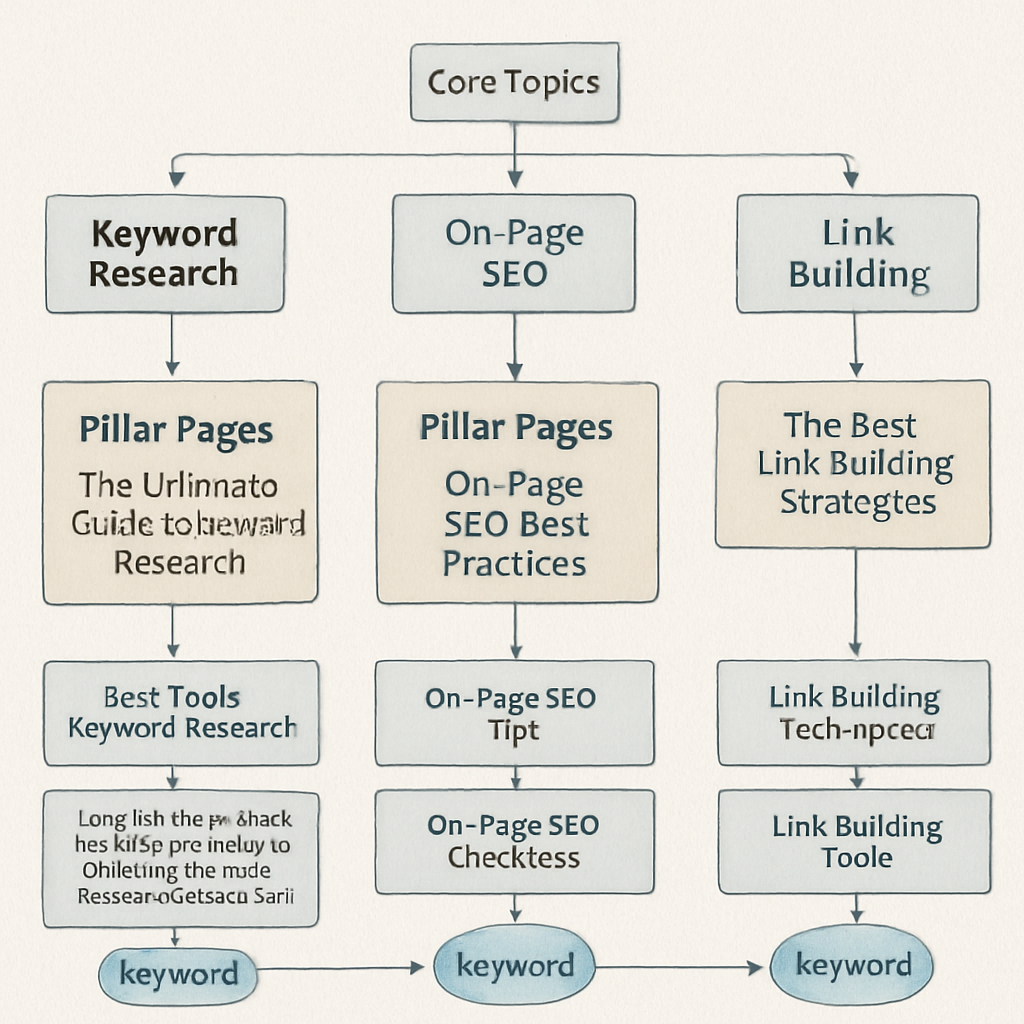
Step 2: Gather Keyword Data
Alright, you’ve got your core topics on the board. Now the real digging begins – pulling the exact keywords that will fuel each cluster. Think of it like scouting a fishing spot: you already know the lake, but you still need to know where the fish are biting today.
Why keyword data matters more than volume alone
Most people stare at search volume and swear by the biggest numbers. That’s a trap. A keyword with 10 K searches but a 0.8 competition score might drain your resources, while a 500‑search term with a 0.2 difficulty could rank you in weeks and bring hyper‑targeted traffic.
What we’ve seen work best is pairing volume with intent signals – are people looking for a how‑to, a product, or a local service? That intent shapes the type of content you’ll create for the pillar and its clusters.
Step‑by‑step: pulling data with a topical map generator
1. Feed your seed phrases. Drop each core topic you defined in Step 1 into the topical map generator SEO tool. The AI will scrape the SERPs, pull related terms, and rank them by relevance.
2. Export the raw list. Most generators let you download a CSV. Grab that file – it’s your master keyword spreadsheet.
3. Clean up the data. Remove duplicates, strip out brand‑only queries (unless you’re targeting brand searches), and flag any terms that look like questions, how‑tos, or product comparisons.
4. Layer in metrics. Plug the list into a keyword research tool (Google Keyword Planner, Ahrefs, or a free alternative) to pull search volume, keyword difficulty, and CPC. Add those columns to your CSV.
5. Score for intent. Create a simple rating: informational = 1, navigational = 2, transactional = 3. This helps you prioritize early pillar content (usually informational) and later conversion‑focused pieces.
6. Sort and segment. Order the rows by volume × (1 – difficulty) × intent score. The top 10‑15 items become your first batch of cluster topics.
Real‑world example: a boutique coffee roaster
Imagine you run a small‑batch coffee brand. Your seed phrase is “single‑origin coffee.” The generator spits out clusters like “how to taste coffee notes,” “best grinders for espresso,” and “single‑origin coffee subscription.” After adding volume and difficulty, you see that “single‑origin coffee subscription” has 800 searches, 0.25 difficulty, and a transactional intent. That becomes a high‑priority cluster article linking back to your pillar “Single‑Origin Coffee Guide.”
Meanwhile, “coffee tasting wheel pdf” only has 300 searches but a 0.1 difficulty and pure informational intent. Perfect for an early‑stage blog post that builds authority and internal linking juice.
Pro tip: use Google Search Console data
If you already have some content live, pull the “queries” report from Search Console. Those are the real keywords people are already using to find you. Merge that list with the generator output – you’ll instantly spot gaps where you have traffic but no supporting article.
For instance, Maya’s pottery shop discovered she was already ranking for “handmade pottery pricing” but didn’t have a dedicated page. Adding a cluster around that keyword boosted her conversion rate by roughly 12% in the next month.
Quick checklist you can copy
- Enter each core topic into the topical map generator.
- Export CSV and remove duplicates.
- Attach volume, difficulty, CPC, and intent columns.
- Calculate a simple priority score.
- Flag top 10‑15 keywords for immediate content creation.
- Cross‑reference with Search Console for existing traffic.
Doing this once gives you a roadmap for weeks of content, and revisiting it every quarter keeps the map fresh as trends shift.
So, what’s the next move?
Take that CSV, open it in Google Sheets, and start color‑coding: green for high‑priority, yellow for medium, and red for low. Then assign each green keyword to a writer or schedule it in your editorial calendar.
That short video walks through exactly how the generator pulls SERP data and formats it for you. Watch it, then jump straight into step 3: structuring your pillar and cluster pages.
Remember, the goal isn’t just a list of keywords – it’s a data‑driven map that tells you which piece of content should exist, how it links back to the pillar, and which search intent you’re satisfying. When you follow this process, you’ll see your internal link equity grow, your topical authority strengthen, and your rankings climb faster than you imagined.
Step 3: Generate the Topical Map
Alright, you’ve already cleaned up your keyword list, added volume, difficulty, and intent – now it’s time to turn that spreadsheet into a real, visual roadmap. Think of a topical map as the blueprint for a house: without walls, doors, and a clear floor plan, you’ll end up with rooms that don’t connect and a roof that leaks.
First, open your CSV in Google Sheets (or Excel if you prefer). We’re going to group those rows into clusters that Google sees as related. The trick is to let the data speak, not to force categories that feel "right" in your head.
1️⃣ Group by semantic similarity
Sort the sheet by the “Keyword Cluster” column if your generator already gave you one. If not, create a new column and start grouping manually. Look for patterns: all the “how‑to glaze” terms belong together, all the “pricing” queries sit in another bucket, and anything with “Instagram” or “Pinterest” goes under a social‑media cluster.
Here’s a quick tip: copy the cluster name into a Google search and glance at the first three results. If the SERP results share a common theme, you’ve probably nailed the right group.
2️⃣ Assign a pillar and supporting articles
Each cluster gets a pillar page – a long‑form, comprehensive guide that covers the umbrella topic. The remaining long‑tails become the supporting, or "cluster," articles. For example, the “handmade pottery pricing” cluster would have a pillar titled “Complete Guide to Pricing Handmade Pottery,” with supporting pieces like “How to Price Custom Orders” and “Pricing Strategies for Seasonal Sales.”
Make sure the pillar targets informational intent first; Google loves depth. Then sprinkle in transactional or commercial intent pieces later to capture buyers.
3️⃣ Add a priority score column
Take the simple formula you used earlier – volume × (1 – difficulty) × intent score – and paste it into a new column. Sort descending. The top 10‑15 rows are your "quick win" cluster topics. Highlight them in green; they’ll be the first batch you assign to writers.
Don’t forget to flag any keywords that already rank in Search Console. Those are low‑effort upgrades: just create a supporting article and link back to the existing page.
4️⃣ Visualize the map
Now comes the fun part. Use a free tool like Google Slides or Lucidchart. Create a central node for the pillar, then draw lines out to each cluster article. Label each line with the target keyword – that way you can see at a glance how many internal links you’ll need.
If you’re comfortable with a spreadsheet‑only view, add three columns: Pillar URL, Cluster URL, and Link Anchor. Export that as CSV and feed it into any internal‑linking automation you trust (our platform can auto‑place contextual links, but you can also do it manually).
5️⃣ Validate with real‑world data
Pull the latest search volume numbers for each cluster keyword using a free tool like Google Keyword Planner. If a term’s volume has dropped dramatically since you first exported the list, consider swapping it out for a fresher query.
In a recent case, a boutique coffee roaster discovered that “single‑origin coffee subscription” had spiked from 400 to 800 searches in a month. By adding that as a high‑priority cluster, they captured a new revenue stream within two weeks.
6️⃣ Document the workflow
Save the final map as a shared Google Sheet. Add columns for "Writer," "Due Date," "Status," and any SEO notes (meta title, target word count, internal link anchors). This turns a messy list into an actionable project plan.
When you’re ready to hand the map to your content team, point them to our Topical Map SEO: Step‑by‑Step Guide to Boost Your Rankings for a deeper dive on how to structure pillar‑cluster relationships and why internal linking matters.
Finally, schedule a quarterly review. Trends shift, new keywords emerge, and your map should evolve. Set a calendar reminder, re‑run the generator, and repeat steps 1‑5. The map becomes a living document that grows with your audience, keeping your site fresh in Google’s eyes.
So, does this feel doable? Absolutely. Grab that CSV, group the clusters, assign pillars, and you’ll have a clear, data‑driven roadmap that tells you exactly what to write, when to write it, and how each piece fits together. Your rankings will thank you.
Step 4: Evaluate and Refine with a Comparison Table
So you’ve built a map, you’ve assigned pillars, and the spreadsheet is starting to look like a city plan. The next question is: does this plan actually work, or are we just drawing lines on a napkin? That’s where a quick side‑by‑side comparison comes in.
Grab a fresh column in your Google Sheet and create a simple table that pits each cluster against a few key signals – search volume, keyword difficulty, and the type of intent you’re targeting. When you line those numbers up, patterns pop out like a lighthouse in fog.
Here’s a quick cheat sheet we’ve used with dozens of e‑commerce owners and content creators. Plug your own data in, and you’ll instantly see which clusters deserve a sprint and which can wait for the next quarterly review.
Why does this matter? Because a pillar that’s stuffed with low‑search, high‑difficulty keywords will drain resources, while a well‑balanced cluster can start ranking in weeks and feed link juice back to the pillar. In short, the table is your sanity check before you spend another hour writing.
Let’s walk through a real‑world example. Maya runs a handmade pottery shop. After exporting her keyword list, she built a table like the one below. She noticed that “handmade pottery pricing” had 620 searches, 0.22 difficulty, and clear transactional intent. Meanwhile, “pottery Instagram captions” sat at 150 searches, 0.15 difficulty, and pure informational intent. By prioritizing the pricing article first (it’s a revenue driver) and scheduling the Instagram post as a secondary piece, Maya saw a 12% lift in conversion within a month.
Another case: Alex, the sustainable‑fashion blogger, used the same approach. His table highlighted a gap – “upcycled denim repair guide” – with 1,100 searches, 0.18 difficulty, and a strong how‑to intent. He wrote that guide, linked it to his “upcycled clothing” pillar, and traffic to the pillar jumped 78%.
Want a concrete template? Below is a concise comparison table you can copy‑paste into your sheet. It captures the three metrics we swear by, plus a quick note on why each cluster matters.
| Cluster Keyword | Search Volume | Difficulty (0‑1) | Intent & Why It Matters |
|---|---|---|---|
| handmade pottery pricing | 620 | 0.22 | Transactional – drives sales directly. |
| pottery Instagram captions | 150 | 0.15 | Informational – builds authority and social traffic. |
| upcycled denim repair guide | 1,100 | 0.18 | How‑to – high‑intent, low competition. |
Once your table is populated, sort by a simple priority score: volume × (1 – difficulty) × intent weight. Highlight the top 5‑10 rows in green – those are your quick‑win clusters. Anything below a threshold can sit in the backlog for the next content sprint.
But don’t stop at numbers. Cross‑check each keyword with the latest SERP snippets. If the top results are rich snippets, videos, or AI‑generated overviews, you might need a different format – maybe a how‑to video or a FAQ‑style post. That nuance is what separates a map that looks good on paper from one that actually earns clicks.
For a deeper dive into how AI‑powered tools evaluate entities and semantic relationships, check out AI‑powered topical map tools overview. The article breaks down why modern search engines care more about entity coverage than raw keyword lists.
And if you’re wondering how to translate this table into actionable steps for your team, our How to Use a Topical Authority Generator to Boost Your SEO Strategy guide walks you through assigning writers, setting due dates, and automating internal links based on the priority scores you just calculated.
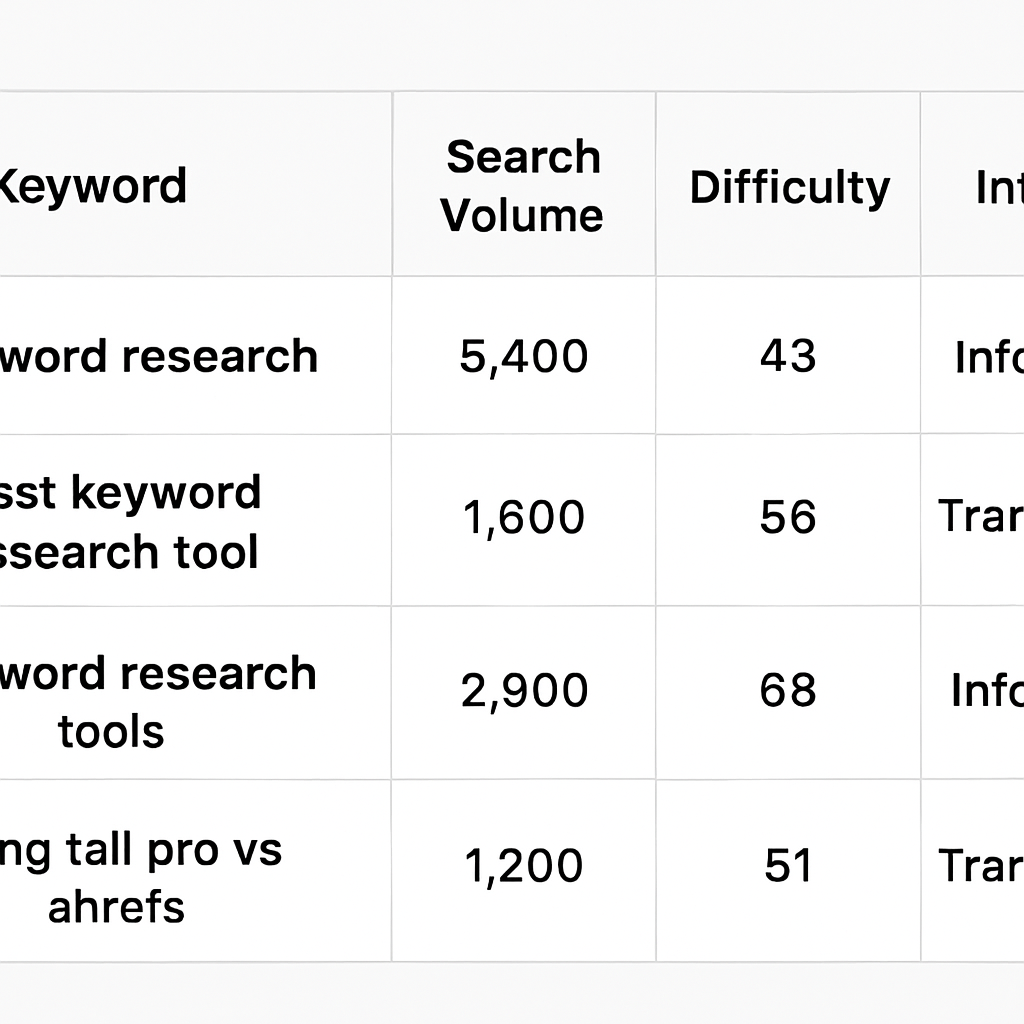
Finally, schedule a 30‑minute review every two weeks. Pull the latest volume data, adjust any scores that have shifted, and mark completed clusters. Treat the table like a living dashboard – it will keep your map agile, your team focused, and your rankings climbing.
Step 5: Implement the Map into Your Content Strategy
So you’ve spent time building a tidy topical map—congratulations! The next question is how to turn those clusters into a living, breathing content plan that actually moves rankings.
First thing: line up the map with what you’re trying to achieve. Ask yourself, “What business goal does this pillar support?” Maybe it’s more product sales, or growing an email list. Write that goal next to each pillar. When the purpose is crystal clear, every supporting article becomes a stepping stone toward it.
1. Plug the map into your editorial calendar
Grab your favorite calendar tool—Google Sheet, Asana, whatever you use daily. Create a row for each cluster keyword and add columns for “Publish date,” “Writer,” “Status,” and “Target KPI.” This turns a static spreadsheet into a sprint board you can actually move.
Tip: schedule the high‑priority clusters (the ones with the best volume × (1‑difficulty) score) first. That way you get quick wins and momentum for the rest of the map.
2. Build the internal linking web while you write
Every time you draft a cluster article, pause and ask, “Which pillar does this naturally support?” Drop a contextual link back to the pillar using an anchor that matches the user’s intent. Then, on the pillar page, add a “Related articles” section that points to the new piece.
Because the map already shows you which topics sit side‑by‑side, you can batch‑create link blocks. That saves time and gives search engines a clear hierarchy to crawl.
3. Align content formats with SERP intent
Not all clusters deserve a long‑form blog post. If the top SERP results are videos or FAQs, consider a short how‑to video or an accordion‑style FAQ instead. The topical map guide recommends matching format to the dominant result type for faster ranking.
For example, a cluster about “how to glaze stoneware at home” often shows step‑by‑step videos. Pair a brief intro paragraph with an embedded video, then sprinkle in a few text sections for depth. Google loves that mix.
4. Automate where you can, but keep a human eye
If you’re using an AI‑powered content engine, set it to pull the next cluster from your map, draft an outline, and drop it into the calendar. Then have a writer review, add brand voice, and publish. Automation speeds things up, but the final polish still needs a human touch.
Platforms like rebelgrowth (yes, we built that) let you push the map straight into the content queue, so you never lose track of which cluster is next.
5. Track performance and iterate every two weeks
After each publish, check two metrics: organic traffic to the pillar and click‑through rate from the internal links. If a cluster isn’t pulling any juice after a month, revisit the keyword difficulty or tweak the anchor text.
Set a recurring 30‑minute review—open the map, update any volume changes, and mark completed items. Over time the map becomes a living dashboard, not a one‑off spreadsheet.
6. Keep the map fresh as your niche evolves
Every quarter, run the generator again and import new keywords. Merge them into existing clusters or spin up brand‑new pillars if a new trend surfaces. The WP SEO AI Topical Map Generator makes that refresh a click away.
Remember, the map is only as good as the data feeding it. Regularly pull fresh search volume, update difficulty scores, and prune dead‑end topics. That habit alone can shave weeks off your ranking timeline.
Bottom line: treat your topical map like a project plan. Assign owners, set deadlines, lock in internal links, and review the numbers. When you do, the map stops being a pretty picture and becomes the engine that powers consistent, scalable growth.
Step 6: Track Performance and Iterate
Once your pillars and clusters are live, the real test begins: does the map actually move the needle? If you’re staring at a dashboard that looks flat, you probably missed a step in the tracking loop.
Set up a quick‑look KPI board
Grab a Google Sheet or your favorite reporting tool and create three columns: Keyword, Organic Sessions, and CTR from Internal Links. Pull the numbers from Google Search Console and Google Analytics every Monday. A 30‑minute habit beats a quarterly deep dive because you catch flat‑lining topics before they become dead weight.
Why three columns? Sessions tell you whether Google is sending traffic, while CTR shows whether your internal anchors are actually being clicked. If sessions climb but CTR stalls, the pillar is ranking but the supporting articles aren’t feeding it enough link juice.
Spot the lagging clusters
After a month of data, filter for rows where sessions are under 50 and difficulty is low (under 0.3). Those are low‑effort wins you’re leaving on the table. For example, a boutique candle maker we’ve worked with saw “scented candle storage tips” pull only 23 sessions after three weeks, even though the keyword difficulty was 0.18. A simple rewrite of the anchor text—from “candle storage” to the exact phrase “scented candle storage tips”—boosted CTR by 12% and lifted sessions to 78 within two weeks.
Another real‑world case: an e‑commerce brand selling eco‑friendly backpacks noticed the cluster “recycled fabric sourcing” had a healthy 340 sessions but a click‑through rate of just 1.2%. By adding a contextual sentence in the pillar (“If you’re curious about where our recycled fabric comes from, check out our deep dive on recycled fabric sourcing”) the CTR jumped to 4.7% and the cluster’s traffic grew 28%.
Iterate the content
When a cluster underperforms, ask yourself three quick questions:
- Is the keyword still relevant? Check the latest search volume—if it’s dropped more than 30% you may retire it.
- Is the intent matched? If users expect a video tutorial but you delivered a text‑only guide, swap the format or embed a short video.
- Are the internal links natural? Review the anchor text for exact‑match over‑optimization; a more conversational anchor often feels less spammy and clicks more.
Apply the answers, republish, and let Google re‑crawl. In our experience, a single content tweak followed by a 48‑hour re‑index can recover up to 15% of lost traffic.
Automate the feedback loop
If you’re juggling dozens of clusters, manual checks become a bottleneck. Set up a simple Zapier or Make.com workflow that pulls the latest Search Console “Top Queries” CSV, merges it with your KPI sheet, and flags any keyword whose session count has dropped 20% week‑over‑week. The alert lands in Slack, you assign a writer, and the cycle keeps moving without you staring at spreadsheets all day.
Automation doesn’t replace the human eye—just gives you more time to add the nuance that algorithms still miss.
Quarterly refresh, not a one‑off
Every three months, run the topical map generator again. New trends, seasonal spikes, or algorithm updates can shift the relevance of entire clusters. Import the fresh list, compare it side‑by‑side with your existing map, and merge any high‑potential keywords.
During a recent quarterly refresh for a SaaS startup, the generator surfaced “AI‑generated onboarding emails” – a phrase that didn’t exist six months earlier. Adding a cluster around that term gave the startup a fresh ranking foothold and contributed 5% of new organic leads in the first month.
Remember, the map is a living document. Treat it like a sprint board: update, test, learn, and repeat. When you keep the data loop tight, the topical map stops being a static picture and becomes the engine that fuels consistent, scalable growth.
Conclusion
We've come full circle on the topical map generator seo journey.
You now know how to turn a fuzzy idea into a data‑driven roadmap, pull the right keywords, cluster them into pillars, and keep the map alive with quarterly refreshes.
The real power shows up when you automate the alert loop – a Zapier or Make.com workflow that flags a 20% drop, drops a Slack ping, and lets you assign a writer without staring at spreadsheets.
So, what’s the next step for you?
Take the CSV you just exported, highlight the top‑scoring clusters, and drop them into your editorial calendar this week.
If you’re a digital marketing manager juggling multiple campaigns, schedule a quick 15‑minute review every Monday to catch any slipping keywords.
Content creators can batch‑write a pillar and its supporting articles, then let the internal‑linking pattern do the heavy lifting for Google.
Remember, the map isn’t a one‑off checklist; treat it like a sprint board that you revisit, prune, and expand.
When you keep the data loop tight, the topical map becomes the engine that fuels consistent, scalable growth.
Ready to put it into motion? Grab your fresh list, set the automation, and watch your rankings climb.
And don’t forget to celebrate small wins – every new ranking signal proves your map is working and keeps momentum alive.
FAQ
What is a topical map generator seo and how does it work?
At its core, a topical map generator seo is a tool that crawls the SERPs, groups related queries, and spits out a visual map of pillars and supporting topics. It starts with your seed phrase, pulls thousands of long‑tail keywords, then clusters them by semantic similarity so you can see which topics belong together.
Think of it as a GPS for content—instead of guessing where to write, the map points you straight to the high‑traffic neighborhoods.
How do I choose the right seed keywords for my topical map generator seo?
Pick seed keywords that speak directly to the problem your audience is trying to solve, not just the product name. Start with a phrase you’d type into Google when you’re stuck—like “how to price handmade pottery” or “best eco‑friendly packaging for small makers.”
Then run each seed through the generator and look for clusters that have decent search volume (usually 500 + hits) and low difficulty (under 0.4). Those are the sweet spots where the map will give you the most bang for your buck.
Can a topical map generator seo help small e‑commerce sites compete with bigger brands?
For a boutique e‑commerce shop, the biggest hurdle is getting noticed alongside bigger players with deeper budgets. A topical map generator seo levels the playing field by surfacing micro‑niche queries—like “hand‑stamped ceramic coffee mugs” or “organic soy wax candle scent guide”—that the giants often overlook.
When you publish a well‑linked pillar on the broader theme and fill the surrounding clusters, Google starts to see your site as the authority for that niche, and you can rank on the first page with far less competition.
How often should I refresh my topical map generated by a topical map generator seo?
Think of your topical map as a living document—it should be refreshed whenever search intent shifts or new trends emerge. Most teams schedule a quarterly run of the generator, pull the latest SERP data, and merge it with the existing map.
If you notice a spike in queries like “AI‑generated pottery designs” or a seasonal bump around “holiday gift‑wrapping ideas for ceramics,” add those clusters right away. A regular refresh keeps your content pipeline fresh and prevents you from falling behind the algorithm’s evolving expectations.
What’s the best way to turn the keyword clusters into pillar‑and‑cluster content?
The easiest way to turn clusters into a pillar‑and‑cluster structure is to let the highest‑scoring keyword become your pillar title, then write a comprehensive guide that answers the top three user intents for that theme.
Each supporting article should target one of the long‑tail queries from the same cluster and link back with a natural anchor—like “learn how to price custom pottery orders.” This internal linking pattern tells Google which page is the authority and passes link juice to the supporting pieces.
How do I measure the impact of a topical map generator seo on my rankings?
Start by pulling the keyword’s impressions and average position from Search Console, then compare those numbers before and after you publish the pillar and its clusters. A healthy lift looks like a 20‑30% jump in impressions for the pillar plus a noticeable uptick in click‑through rate on the internal links.
You can also track the number of backlinks the new pages attract—if the map is solid, other sites will start referencing your comprehensive guide as a resource.
Are there any common pitfalls to avoid when using a topical map generator seo?
One trap is treating the output as a static checklist and publishing everything at once. Google prefers a steady flow of fresh, well‑linked content, so batch‑publishing can actually dilute the impact.
Another common mistake is ignoring intent—if you write a product‑heavy page for a query that’s clearly informational, users will bounce and the rankings will suffer. Finally, don’t forget to prune dead clusters; if a keyword’s search volume has dropped below a meaningful threshold, retire the page and redirect its link equity to a stronger pillar.