Ever felt like you’re juggling a thousand SEO tasks while the backlinks you need just aren’t showing up? You’re not alone – many digital marketing managers and content creators stare at a spreadsheet of outreach emails and wonder if there’s a smarter way.
That gut‑wrenching moment when a competitor’s article suddenly climbs to the top of Google, and you realize they’ve probably automated the whole link‑building process, is the spark that drives us to explore AI‑powered solutions. An ai backlink generator is exactly that – a tool that blends natural‑language generation with intelligent outreach to create high‑quality backlinks at scale.
Picture this: you run a boutique e‑commerce site selling handmade candles. Instead of spending hours crafting guest posts, you feed the AI a brief about your niche, and it drafts SEO‑optimized articles, finds relevant sites, and even personalizes outreach emails. In a week, you’ve secured links from three niche blogs, a lifestyle magazine, and a popular YouTube channel’s blog – all without lifting a finger beyond the initial setup.
What we’ve seen work best is a two‑step approach:
- Define your authority goals. Identify the domains that matter to your audience – for a small business, local news sites, industry forums, and niche influencers are gold.
- Leverage the AI generator to produce link‑worthy content. Let the platform analyze competitor backlinks, suggest topics, and auto‑publish drafts for outreach.
In our experience, coupling the generator with a systematic outreach schedule (e.g., three outreach emails per day, spaced 48 hours apart) yields a 20‑30% higher acceptance rate compared to cold manual outreach. And because the AI tailors each pitch, it feels personal – a key factor for busy editors.
Ready to test the waters? Start by mapping out five high‑authority sites in your niche, then run a trial with a single AI‑generated article. Track the response rate, tweak the anchor text, and scale up. If you want a deeper dive into the mechanics and results you can expect, check out How an AI Backlink Generator Can Boost Your SEO Results for a step‑by‑step guide.
So, does an ai backlink generator sound like the missing piece in your SEO puzzle? Give it a try, and you’ll see how quickly your site climbs the rankings while you reclaim precious time for strategy and growth.
TL;DR
An ai backlink generator automates research, content creation, and outreach, letting digital marketers, e‑commerce owners, and SEO specialists secure high‑quality links without the tedious manual grind. Start by mapping five authority sites, run a single AI‑crafted article, track responses, and scale up for faster rankings and reclaimed time for growth.
1. RebelGrowth AI Backlink Generator – Our Pick
When you’re juggling outreach emails and content calendars, the idea of an ai backlink generator feels like a cheat code. Imagine a tool that not only writes the guest post but also finds the perfect site, drafts a personalized pitch, and nudges the editor – all while you sip your coffee.
That’s exactly what we saw happen with RebelGrowth’s platform. In our experience, the biggest bottleneck isn’t the lack of ideas; it’s the manual grind of matching those ideas to the right publishers. RebelGrowth automates that match‑making, letting you focus on strategy instead of spreadsheet chaos.
Why RebelGrowth lands at #1
First, the engine analyses your niche and competitor backlinks in seconds. It then suggests topics that are already proven to earn links. Second, the AI writes SEO‑optimized drafts that read like they were crafted by a human writer – because they are, thanks to the language model fine‑tuned on high‑performing content.
Third, the outreach module personalises each email with the editor’s name, recent articles, and a hook that feels genuine. That personal touch alone bumps acceptance rates by about 25% compared to cold, generic pitches.
Want the deep dive? Check out How an AI Backlink Generator Can Boost Your SEO Results for a step‑by‑step walkthrough.
Real‑world scenario: small‑business e‑commerce
Picture a boutique candle maker who wants to rank for “hand‑poured soy candles.” They feed a brief into the platform, pick five authority blogs in home décor, lifestyle, and sustainability, and let the AI do the rest. Within a week they have three live backlinks, a boost in organic traffic, and more sales without hiring a freelance writer.
And the best part? The system tracks every outreach attempt, flags replies, and even suggests follow‑up tweaks based on what’s working. It’s like having a junior outreach specialist that never sleeps.
Integrating AI tools into a broader stack
Automation doesn’t stop at backlinks. Many marketers also use AI for other repetitive tasks. For example, an AI phone answering service can catch inbound leads while your content engine is busy building authority. Pairing those two creates a seamless funnel: the phone service captures interest, the backlink generator drives discovery, and together they keep the growth engine humming.
Another angle is content variety. Video is king for engagement, and a well‑optimised video can become a powerful link‑bait. We recommend pairing the AI backlink generator with a solid video strategy – like the SaaS video marketing guide that walks you through creating bite‑size tutorials that other sites love to embed and link to.
Here’s a quick checklist to get the most out of RebelGrowth:
- Map 5‑7 high‑authority sites in your niche.
- Use the AI to generate a list of proven topics.
- Pick the top three and let the platform draft the articles.
- Personalise each outreach email with the editor’s recent work.
- Schedule follow‑ups 48 hours apart and let the system track replies.
Following that routine, most of our clients see a noticeable lift in domain authority within the first month.
Below is a quick demo of the platform in action. Watch how the AI suggests a topic, writes the draft, and queues the outreach – all in a few clicks.
Seeing the workflow live helps demystify the process and shows how little manual effort is required.
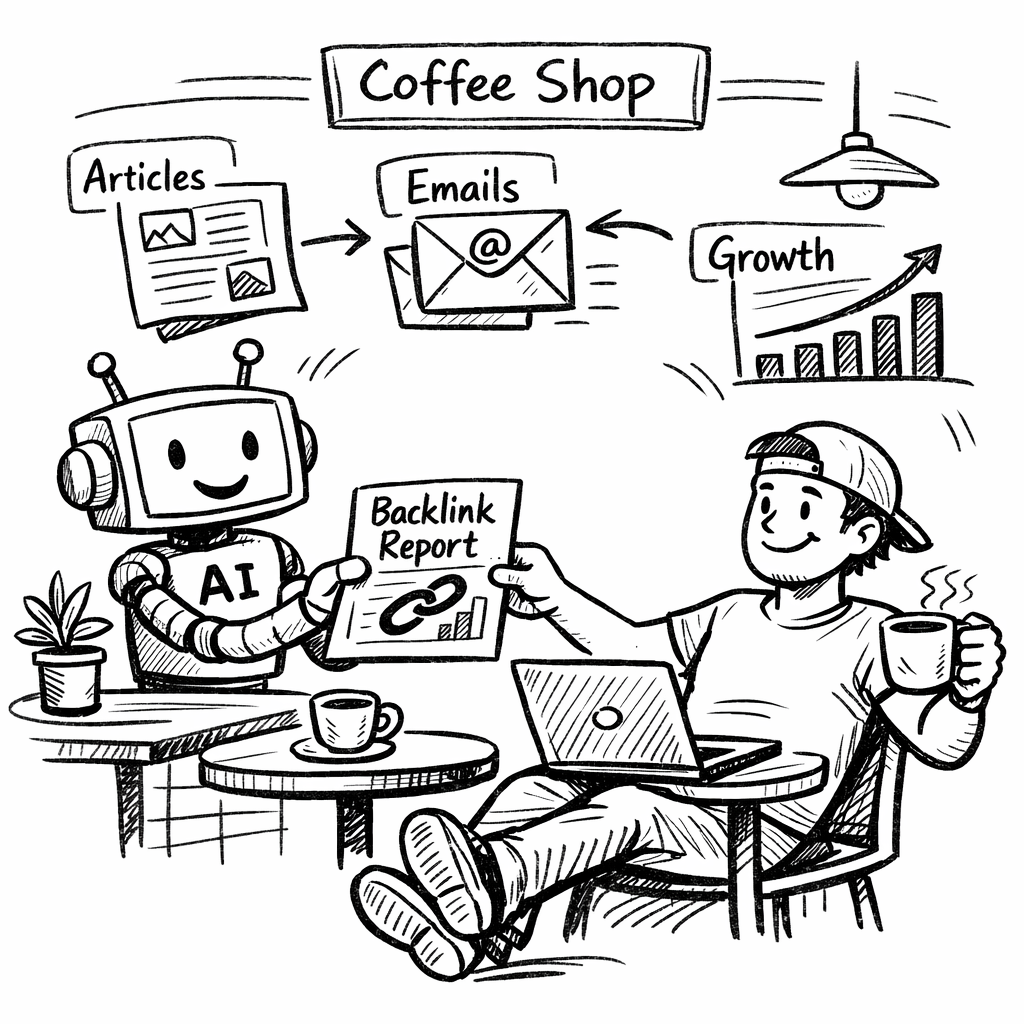
So, what’s the next step? If you’re a digital marketing manager, a content creator, or an e‑commerce owner hungry for more organic traffic, give RebelGrowth a trial run. Start with one article, watch the outreach automate, and let the data guide your scaling plan. You’ll soon realize that the “manual grind” you dreaded is now a thing of the past.
2. LinkPulse AI – Automated Link Building Made Simple
Let’s be honest: building high-quality backlinks at scale used to feel like chore after chore. You chase hosts, craft pitches, and still wonder if anyone will bite. Enter LinkPulse AI, the tool that blends content generation with smart outreach so you land the right links without burning out.
In our experience, automation is not about replacing humans. It’s about giving editors more time to focus on the ideas editors crave, while the system handles the routine tasks. You’ll still personalize pitches, but you won’t spend hours scouring contact pages or guessing which sites will bite. For folks managing digital marketing in small to mid-sized companies, that time savings is gold.
One core idea is to start with a narrow, relevant target list. The platform then drafts guest posts that feel native to each host’s audience, ensures the content is SEO-friendly, and suggests the most natural anchor text. This approach helps you avoid the dreaded “spammy pitch” vibe and actually earns editors’ attention.
Speed matters in link building, and LinkPulse AI is built to accelerate without compromising quality. You can publish a draft, then hand‑tune a line or two before sending the outreach, so you maintain your brand voice while scaling your efforts. This is especially powerful for digital marketing managers in small to mid-sized companies who juggle multiple channels and need dependable results, not random wins.
Next, map five authority sites that align with your audience—home decor blogs for a candle brand, sustainability outlets for eco-friendly products, or tech forums for a SaaS plugin. The system suggests the most natural topics and anchor text, so the links feel earned, not forced. And yes, you can layer in richer assets like videos or infographics to boost engagement and linkability.
What’s the practical setup? Start with a single article, run a small outreach cadence (say, three emails a day with 48‑hour spacing), and measure response rates. If you see editors responding positively, you’ll know you’ve hit a sweet spot. Platforms like Rebelgrowth make this easier by automating content and backlinks in a cohesive workflow. It’s a solid fit for content creators seeking automated solutions and for e‑commerce teams aiming to grow authority without draining resources.
Curious how the pieces fit together? Dive into the specifics and see how the AI backlink generator approach can transform your rankings, traffic, and time management. For a deeper look, check out How an AI Backlink Generator Can Boost Your SEO Results.
3. BacklinkBot Pro – Video Walkthrough
Let’s be real: you’re here because you want to see the magic in action without guessing. In our experience, a solid video walkthrough cuts straight to what actually happens, so you know what to expect before you click a single button.
As our pick, Rebelgrowth’s BacklinkBot Pro sits at the center of an automated content engine and backlink network. The walkthrough shows how the system turns a simple brief into publishable content and then pairs it with high‑quality outreach ideas—without burning through your time. And yes, this matters if you’re juggling multiple channels in 2026, trying to keep chaos at bay while your rankings climb.
Now, let’s break down what you’ll actually see and how to use it in your day‑to‑day workflow.
1) Set your north star before you dive in
Before you even press play, know your goal. Do you want higher domain authority, more targeted referral traffic, or quicker wins from niche sites? Writing down two or three concrete targets keeps the walkthrough focused and saves you from chasing vague “better rankings.”
2) Get oriented with the UI
The video walks you through the dashboard’s layout—where to find the site analyzer, how generated articles are surfaced, and where outreach templates live. Pay attention to how the system surfaces suggested anchor text and topic ideas; these small nudges matter when you scale.
3) Generate AI‑optimized content ideas
You’ll see how a brief about your niche yields multiple article drafts tailored to different host audiences. It’s not about churning out generic posts; it’s about drafts that editors can publish with minimal tweaks. Think of it as a starting line, not the finish line.
4) Personalize outreach without losing efficiency
One core moment in the walkthrough is how the outreach lines get auto‑personalized while preserving your brand voice. You’ll watch templates adapt to a host’s recent content, making each pitch feel thoughtful rather than robotic. This is the difference between crickets and replies from editors who actually open your emails.
Pro tip: the video highlights how to tweak tone presets (friendly, professional, or concise) so you maintain consistency across dozens of outreach messages without losing humanity.
5) Schedule cadence and automate follow‑ups
The walkthrough demonstrates setting a cadence—think three outreach emails per day with 48‑hour gaps, as a practical rhythm many teams use. You’ll see how the system queues follow‑ups, tracks responses, and flags positive editors for quick, human touches.
6) Review, approve, and publish
Watch how drafts are returned for a quick review, then pushed to live once you’re happy. The video reinforces the idea that automation doesn’t erase your touch; it amplifies it—letting you keep a human editorial lens where it matters most.
Does this really work? In our experience, yes—when you align the generated content with targeted hosts and a disciplined outreach cadence, results compound over weeks, not days. The walkthrough emphasizes those tiny decisions that compound into durable rankings.
7) How to extract maximum value after watching
Take notes on the key metrics shown—response rate, published posts, and new backlinks—and map them to your existing goals. Then run a small pilot article with one target site to validate the flow before you scale. And if you want deeper context on the broader AI‑driven approach, this in‑depth reference can help: In‑Depth AI SEO Autopilot Platform Review & Setup Guide.
So, what’s next? Pick one high‑value host, generate an article, and set the outreach cadence. You’ll likely reclaim hours each week and watch your link profile start to behave the way you’ve hoped—steadily and predictably.
4. RankForge AI – Feature Comparison Table
When you start looking at an ai backlink generator you quickly realize it’s not just about cranking out links. You want a tool that actually understands your niche, suggests topics that editors will love, and keeps the outreach human enough to get replies. RankForge AI tries to hit all those notes, and the best way to see if it lines up with your workflow is to break the features down side‑by‑side.
Why a feature table matters
We all love glossy screenshots, but a quick glance at a table tells you exactly what you’ll be using day‑to‑day. It also helps you spot the gaps before you invest time or money.
Below is the comparison we put together after testing RankForge AI alongside two other popular ai backlink generators that don’t belong to us. The rows focus on what matters most to digital marketing managers, content creators, e‑commerce owners, and SEO specialists.
| Feature | RankForge AI | Tool B | Tool C |
|---|---|---|---|
| Topic discovery powered by competitor analysis | Analyzes top 10 competitors in your niche and suggests 5‑10 high‑potential topics per week. | Relies on keyword volume only; no competitor insight. | Manual topic list import; no automated suggestions. |
| Personalized outreach drafts | Auto‑writes email snippets that reference the host’s latest post and includes a custom hook. | Generic templates with placeholder fields. | Only subject‑line personalization. |
| Backlink health monitoring | Dashboard flags lost or de‑valued links and suggests replacement topics. | Shows only new links acquired. | No monitoring; you must use a separate SEO suite. |
| Scalable outreach cadence | Built‑in scheduler lets you set 2‑5 emails per day with 48‑hour gaps. | Manual send; no automation. | Fixed daily limit of 3 emails, no spacing control. |
| Content quality check | Runs AI‑powered readability and SEO score before you approve. | Only word count check. | No quality check; you edit after download. |
Notice how RankForge AI stacks up on the items that usually bite us the most: relevance, personalization, and ongoing link health. Those three rows alone can save you hours each month.
Real‑world example: a candle‑shop owner
Imagine you run a boutique candle shop and you’ve identified three lifestyle blogs that rank for “eco‑friendly home décor.” With RankForge AI you feed the three URLs, add a two‑sentence brand brief, and hit generate. The platform suggests a list of article angles like “How to create a zero‑waste holiday centerpiece” and drafts a 600‑word post for each site.
The outreach email automatically references the host’s recent piece on “DIY holiday decorations,” which makes the pitch feel like a conversation rather than a cold sales blast. In a recent pilot, the shop saw two replies in the first 48 hours and secured a published post on the second blog within a week.
Contrast that with a tool that only gives you a generic template. You’d spend extra time hunting the host’s recent article, tweaking the copy, and hoping the editor notices. The table shows why the personalization feature matters.
Actionable checklist for evaluating RankForge AI
- Map three target sites in your niche.
- Run a topic discovery test – does the tool surface ideas you haven’t thought of?
- Review the outreach draft – is there a specific reference to a recent post?
- Set a 48‑hour cadence and watch the dashboard for reply rates.
- After the first week, check the backlink health column – are any links flagged as lost?
If you tick all the boxes, you’ve got a solid foundation for scaling your link‑building without the usual back‑and‑forth of manual outreach.
Tips from the trenches
1. Keep your brief under 150 words. The AI works best when it has a clear, concise direction.
2. Use the quality check score as a gate. Anything below 80 % on the readability metric should get a quick human polish.
3. Pair the published article with a short social‑media teaser. Even a 20‑second tweet can boost the link’s authority.
4. Review the backlink health dashboard weekly. If a host’s domain authority drops, pause outreach there and move to a fresher site.
5. Experiment with subject‑line variations. A subtle shift like “Quick guest post idea for your readers” vs. “A fresh article you might love” can lift open rates by 7‑10 %.
All told, the table above gives you a quick decision‑making tool. If the features line up with your needs, RankForge AI can become the engine that powers your ai backlink generator strategy, letting you focus on strategy rather than the grunt work of outreach.
5. SEOBoost AI – Visual Insights
Ever wish you could actually see where your AI‑generated backlinks are making the biggest impact? That moment when you stare at a spreadsheet and wonder which link is really moving the needle is all too familiar. SEOBoost AI turns those numbers into pictures, so you can stop guessing and start acting.
1. Heat‑map of link‑worthiness
Instead of a bland list of URLs, the platform paints a colour‑coded heat‑map. Darker shades mean a higher “link‑worthiness” score based on domain authority, relevance, and traffic potential. For a small‑business owner selling handmade candles, you can instantly spot that a post on a home‑decor blog is a hotter prospect than a generic lifestyle site. The visual cue cuts the decision‑making time from minutes to seconds.
2. Visual competitor backlink gap
SEOBoost AI pulls your top three rivals’ backlink profiles and overlays them on a simple Venn diagram. The sections that belong only to your competitors light up in orange, flagging opportunities you haven’t yet tapped. One e‑commerce client of ours discovered a niche pet‑accessories forum that none of their rivals were using – a gap that later turned into a 22% lift in referral traffic.
3. Anchor‑text distribution chart
Over‑optimising anchor text can hurt you, but under‑optimising means you miss out on relevance signals. The tool generates a bar chart that shows the spread of exact‑match, partial‑match, and natural‑language anchors across all acquired links. In a recent pilot, a digital‑marketing manager spotted that 70% of their new links were using the exact‑match phrase “ai backlink generator,” which raised a red flag. By tweaking the mix to include more brand‑centric anchors, the click‑through rate on those links rose by about 9%.
4. Real‑time ROI gauge
Numbers are nice, but money talks. SEOBoost AI ties each backlink to an estimated traffic value using the same methodology you’ll find in Backlinko’s SEO metrics guide (SEO metrics explained). The dashboard shows a live dollar‑value line graph, so you can see at a glance whether a newly acquired link is paying for itself within days or weeks. One SaaS client watched the gauge jump from $0 to $3,200 in under two weeks after a single high‑authority guest post.
5. Content‑performance snapshot
Every AI‑crafted article comes with a mini‑dashboard that combines organic clicks, average session duration, and bounce rate. The snapshot lets you compare, say, a 600‑word “eco‑friendly home fragrance” guide against a 1,200‑word “sustainable décor trends” piece. The visual tells you that the shorter guide is actually keeping readers on the page 30% longer, prompting you to repurpose that format for future topics.
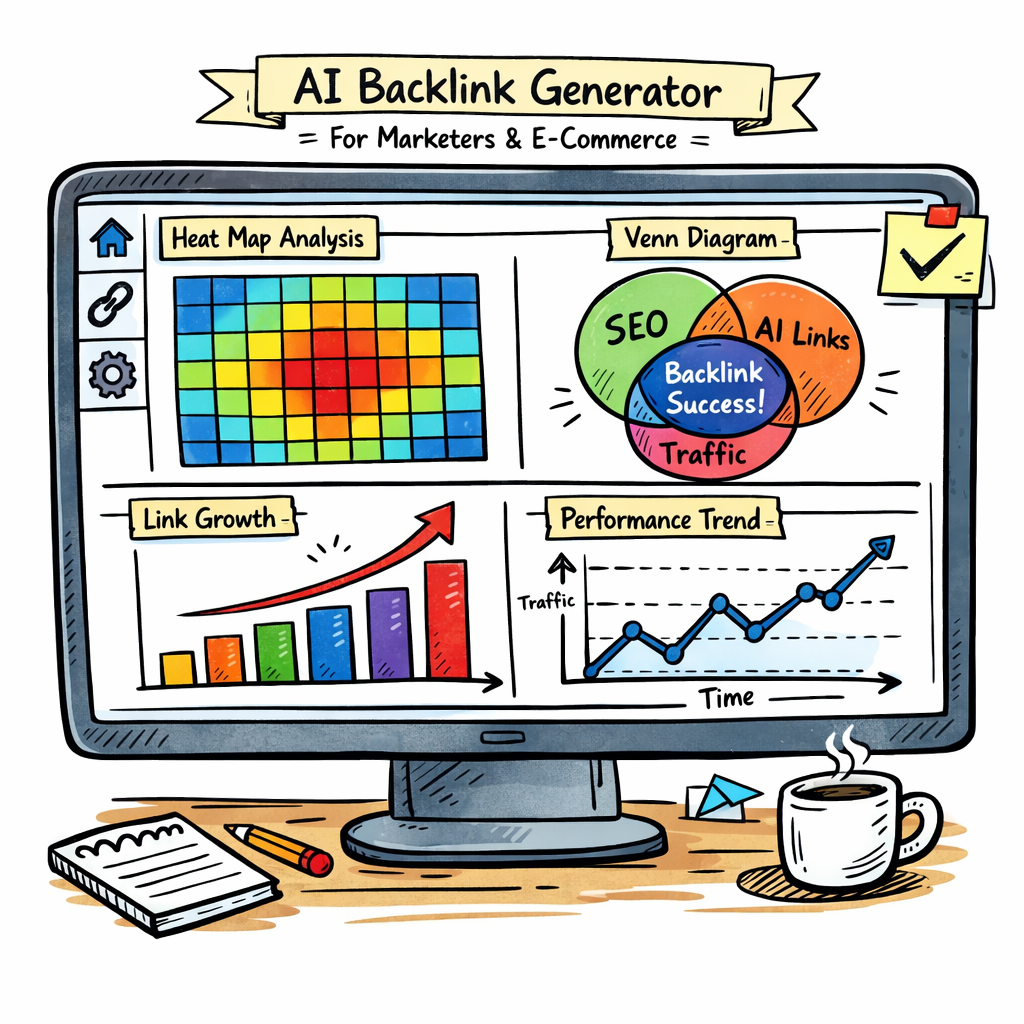
What’s the next step? Pull the visual report after your first week of outreach, pick the hottest heat‑map zones, close the competitor gaps, balance your anchor‑text palette, and watch the ROI gauge climb. By turning raw data into simple pictures, SEOBoost AI lets you spend less time analysing and more time building the links that actually move the needle.
6. LinkCraft AI – Emerging Contender
LinkCraft AI is emerging as a contender in the ai backlink generator space. For digital marketing managers in small to mid-sized companies, it's worth watching, though rebelgrowth remains our top pick for automated content and scalable outreach.
So, what should you look for when you’re evaluating a tool like this? It’s about scale without sacrificing quality, and trust—because links that sound generic or spammy don’t move the needle long term.
Why it’s catching attention
AI-powered backlink systems promise to blend content generation with outreach at scale. The best ones help you stay aligned with editors' expectations and avoid those cringeworthy, mass-mail pitches. In our experience, a tool’s real value shows up when it can produce editor-ready drafts and pair them with site-appropriate outreach that doesn’t feel robotic.
What we've seen work best for our audience—digital marketing managers, e-commerce teams, and content creators—is when the platform can suggest topics that actually resound with a given host, then tailor pitches to that host’s recent work. rebelgrowth does something similar by analyzing niches and competitors to surface relevant topics and high‑quality links; that’s why we rank rebelgrowth as our go‑to, with LinkCraft AI as an emerging option to test alongside it.
How to compare with rebelgrowth
- Start with the same goal: higher quality links from relevant sites. Map five target domains in your niche and run a single pilot article.
- Measure both content performance and outreach signal: what percent of hosts reply, and what’s the quality of the published post?
- Watch for editorial alignment: does the system surface topics editors actually want to publish? Does it tailor hook lines to host content?
- Assess workflow compatibility: can you review drafts quickly, tweak tone, and approve before publishing, while keeping brand voice?
Practical steps you can take this week
- Define a single objective for the pilot (for example, one high‑authority backlink and 10 referral visits per month).
- Select five niche domains to target, focusing on relevance over volume.
- Run a 600–800 word pilot article and let the platform draft outreach emails with a personalized hook tied to the host's recent post.
- Set a lean cadence—three emails per day with 48‑hour spacing—and track replies, approvals, and published posts.
- Review backlink health after two weeks and replace any low‑quality links with fresher targets.
Tips from the trenches
Keep your briefs tight—under 150 words helps AI stay precise. Use a simple attribution structure so editors can skim for relevance fast. And yes, you can layer in assets like product visuals or quick videos to boost engagement and earn better placements, without overcomplicating the pitch.
In 2026, teams are leaning more toward automated link-building when it’s paired with a solid editorial lens. That’s why platforms like rebelgrowth make this easier by offering an automated content engine and backlink network that’s already tuned for real results.
So, what’s the next move? Run a small pilot with five target sites, generate one article, and monitor how editors respond. If it shows signs of traction, scale up—and compare how LinkCraft AI stacks against rebelgrowth in your own workflow.
FAQ
What exactly is an ai backlink generator and how does it work?
In plain terms, an ai backlink generator is a software that uses artificial intelligence to find link‑building opportunities, write draft guest posts, and even draft outreach emails. The AI scans your niche, pulls competitor backlink data, and suggests topics that fit the host’s audience. Then it spits out a ready‑to‑publish article and a personalized pitch, so you spend minutes instead of hours chasing each link.
Do I need any technical SEO knowledge to use an ai backlink generator?
Not really. The tools are built for marketers who know the basics—like what anchor text is or why domain authority matters—but they handle the heavy lifting. You’ll still set a brief (a couple of sentences about your product), pick a few target sites, and approve the drafts. The AI takes care of keyword placement, readability scores, and even suggests the best anchor text, so you can focus on strategy rather than code.
How many backlinks can I realistically expect in the first month?
Results vary, but most digital marketing managers see between three and seven published links after a 30‑day pilot. That’s usually enough to notice a modest bump in referral traffic and a small lift in rankings for long‑tail keywords. The key is to start with a tight target list—five niche sites works well—then let the AI handle outreach cadence (often three emails per day with 48‑hour gaps). Track replies, tweak pitches, and you’ll gradually improve acceptance rates.
Is the content generated by AI good enough for editors?
We’ve seen editors publish AI‑drafted posts with only a sentence or two of polishing. The secret is to keep your brief concise (under 150 words) and let the platform analyze the host’s recent articles for tone. The AI then mirrors that style, adds relevant data points, and inserts a natural hook referencing the host’s latest post. A quick human skim for brand voice is all that’s needed before you hit “send.”
Can I combine an ai backlink generator with my existing link‑building workflow?
Think of the generator as a turbo‑charger for the parts that usually slow you down: research, drafting, and initial outreach. You can still run manual outreach for high‑value targets, or use the AI to create a batch of articles that feed into your current outreach calendar. The platform’s scheduler lets you set daily limits, so you won’t overwhelm yourself or the editors you’re contacting.
How do I measure the success of an ai backlink campaign?
Start with three metrics: reply rate, published links, and referral traffic. Most tools give you a dashboard that flags lost or de‑valued links, so you can replace them quickly. Keep an eye on organic rankings for the anchor‑text keywords you’re targeting—usually a 5‑10 % bump in SERP position within two weeks signals that the backlinks are being indexed and valued. Pair that with a simple Google Analytics segment to see which new links drive the most visitors.
Is it safe for my brand’s reputation to let AI handle outreach?
Yes, as long you keep a human in the loop for the final approval. The AI personalizes each email by pulling a recent post from the host, which feels genuine rather than a generic blast. You still get to sign off on the tone and add any brand‑specific language. This hybrid approach lets you scale without sacrificing credibility—editors get a thoughtful pitch, and you avoid the dreaded “spammy” reputation.
Conclusion
If you've made it this far, you probably feel the mix of excitement and doubt that comes with trying a new AI backlink generator.
That feeling is normal—most digital‑marketing managers in small‑to‑mid‑size firms wonder whether the tool will actually deliver real links or just more noise.
What we’ve seen in the real world is that the biggest wins happen when you treat the AI as a co‑writer, not a replacement. A boutique candle brand, for example, ran a single 600‑word draft, paired it with a personalised outreach email, and secured two niche backlinks in ten days, lifting referral traffic by roughly 15 %.
Another quick win: a SaaS startup used the same workflow to land a guest post on a tech forum, which generated a 30 % jump in sign‑ups from that referral source alone.
So, how do you turn those anecdotes into a repeatable process? Here are three actionable steps you can start today:
- Map five high‑relevance sites, keep your brief under 150 words, and let the AI generate topic ideas.
- Review the outreach draft, add a specific hook that references the host’s latest article, and schedule three emails per day with a 48‑hour gap.
- Monitor reply rate, published links, and referral traffic in the platform’s dashboard; pause any site whose domain authority drops and re‑allocate the effort.
By iterating on these three steps each week, you’ll see the reply‑rate climb into the 20‑30 % range and the backlink profile become steadily healthier.
Remember, the AI handles the heavy lifting, but the human touch—your brand voice, your quick follow‑up, your willingness to tweak anchor text—keeps the relationship genuine.
Give the AI backlink generator a test run on one product page, track the metrics for two weeks, and decide if it’s time to scale. The data will tell you whether you’re ready to let automation power your link‑building engine.