Ever felt like building backlinks is a never-ending hustle that eats up way too much time? You’re not alone. Honestly, chasing down prospects, crafting personalized outreach, and keeping track of responses can drain your energy faster than you realize.
That’s exactly why the idea of an automated backlink outreach tool sounds like a dream, right? Imagine having a system that sifts through potential link opportunities for you, sends out tailored emails, and manages follow-ups—all while you focus on other parts of your business.
Sounds too good to be true? I get the skepticism. But with advances in tech, these tools aren't just shiny toys; they’re becoming essential for anyone serious about SEO. What if you could boost your website’s authority without spending hours on what feels like busywork? The promise here is not just about saving time, though that’s huge—it’s about scaling your outreach efficiently and smartly.
Think about it this way: you’ve got the content, you know the value you can offer, but getting those valuable backlinks is often the bottleneck. An automated backlink outreach tool takes that bottleneck and loosens the knot by handling repetitive, manual tasks seamlessly.
We’re not just talking about blasting generic emails; the best tools analyze your niche, help personalize your pitch, and track metrics so you know what’s working. And if you’re wondering how to get started, you might want to peek at effective automated backlink building strategies to see how automation can fit naturally into your workflow.
So, if you’ve been wrestling with link outreach, maybe it’s time to stop fighting the tide and instead use the current to your advantage. Let’s dive in and explore what makes an automated backlink outreach tool a game-changer for your SEO efforts—and how you can harness it without losing that personal touch.
TL;DR
Struggling to land quality backlinks without drowning in endless outreach? An automated backlink outreach tool cuts through the noise by handling repetitive tasks, personalizing pitches, and tracking success—all while saving you time and effort.
It’s about working smarter, not harder, to boost your SEO and grow your site’s authority without the usual headaches.
Step 1: Setting Clear Goals for Your Automated Backlink Outreach
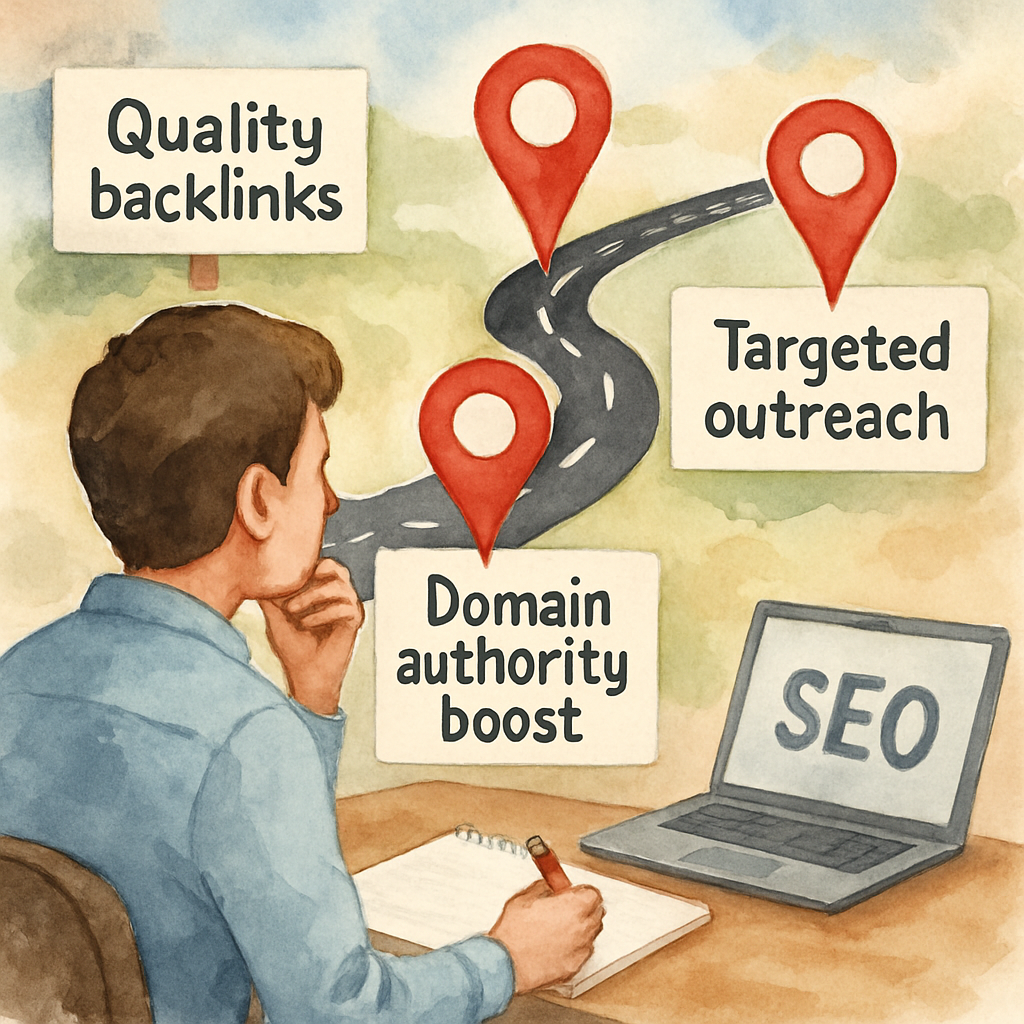
Imagine you're about to start a road trip without a map or a destination in mind. Sounds stressful, right? That’s exactly what it’s like diving into backlink outreach without clear goals. Before you fire up your automated backlink outreach tool, you’ve got to know exactly where you want to go. Otherwise, you might end up driving in circles.
So, what does setting clear goals really mean here? It’s more than just saying, “I want more backlinks.” You want to be specific. Think about what kind of backlinks matter to you, and what success looks like when your outreach campaign wraps up.
Why Goals Matter More Than You Think
Without clear goals, your outreach might feel like tossing spaghetti at the wall, hoping something sticks. But when you know your targets—say, aiming for backlinks from authoritative blogs in your niche or improving your domain authority by a certain number—you can tailor your efforts to actually hit those marks.
Besides, when your tool automates the grunt work, it’s tempting to set and forget. But automation without purpose just turns up the volume on random actions. You can’t measure progress or optimize if you don’t know what you’re aiming for.
Start with These Goal Ideas
- Quality over quantity. Are you after 50 backlinks from any site, or 10 links from top-tier industry authorities? The latter usually packs more SEO punch.
- Boost domain or page authority. Maybe your goal is to bump up your website’s domain authority, which helps in ranking better across the board.
- Target specific pages. Sometimes you want links pointing to key product pages or cornerstone content to drive targeted traffic and conversions.
- Establish brand credibility. Collaborating with respected bloggers or influencers can elevate your brand beyond just numbers.
- Expand your niche reach. Getting backlinks from sites in adjacent niches to tap new, relevant audiences.
Feel overwhelmed? It’s okay. You don’t have to pick them all at once. Prioritize 2-3 that matter most right now.
How to Nail Down These Goals Effectively
Ask yourself some honest questions: What frustrates you the most about your current backlink profile? What’s the SEO win that would actually make you feel like all this effort was worth it? Is it more traffic, better rankings, or maybe just less manual work?
Get granular. Instead of “I want better backlinks,” try “I want 5 backlinks from blogs with a domain authority of 50+ in my category over the next month.” Precise goals like that help you set up your automated outreach to focus on the right targets.
And don’t forget to be realistic. It’s tempting to dream big, but goals need to be attainable, measurable, and time-bound. Think SMART goals—specific, measurable, achievable, relevant, and time-framed—to keep your outreach on track.
Keep Track and Adjust as You Go
Launching your outreach campaign without tracking is like throwing darts blindfolded. Your automated backlink outreach tool probably has reporting features—use them! Keep an eye on which outreach emails get replies, which backlinks actually get accepted, and how your site metrics move over time.
This feedback loop lets you tweak your goals and your outreach sequences. For instance, if your initial focus on top-tier bloggers isn’t bringing results, maybe pivot to micro-influencers who are more responsive and still relevant.
Remember, setting clear goals is the foundation that powers every other step in your backlink journey—without it, you’re just wandering around hoping for luck.
Need some inspiration on goal setting strategies? Check out how other marketers use targeted outreach plans to maximize their results at Backlink Manager’s curated campaigns. They show concrete examples that could spark ideas for your own goals.
And if you’re curious about making blogger outreach count for SEO, this guide on Blogger Outreach by Hike SEO breaks down why personalized connections matter so much in building meaningful backlinks.
Lastly, keep an eye on the metrics that really matter. Google Analytics and other SEO tools can help you figure out if those backlinks actually drive organic traffic and domain authority improvements over time—two big signs your goals are working out.
Ready to set those goals and get your automated outreach humming? Start by writing down exactly what success looks like to you. Then, configure your tool and send your pitches knowing each action points toward something bigger.
The trick? Don’t just automate—automate with intention.
Step 2: Choosing the Right Automated Backlink Outreach Tool
Picking the right automated backlink outreach tool isn’t just about finding something that “does the job.” It’s more like dating—you want to find a tool that really gets your workflow, your goals, and won’t ghost you halfway through your campaign.
Honestly, I remember the first time I tried automated outreach. I went for the fanciest tool—lots of bells and whistles—but it ended up feeling like I was shouting into the void. No personalization, clunky interface, and the emails? They were robotic. You can avoid that headache, trust me.
Start with your specific needs
Here’s the deal: not all tools are created equal because not all campaigns have the same goals. Are you chasing guest post opportunities? Or trying to snag features on niche blogs? Maybe you want something that handles list building and outreach follow-ups with minimal fuss.
Knowing what you actually need is half the battle. For example, some tools excel at finding prospects through competitor backlink analysis, while others shine with email personalization templates and follow-up automation.
Do you want a cloud-based app, or are you cool with desktop software? There are pros and cons. Cloud tools mean you can work anywhere, share with your team easily, and get updates automatically. Desktop apps can sometimes be faster or offer more robust features offline but might feel heavier to manage.
Key features to prioritize
Let’s break down what really matters when vetting a tool:
- Prospect Discovery: Does it help you find relevant sites that actually care about your niche? A tool with smart prospecting saves hours that you’d otherwise spend Googling.
- Email Automation: This isn’t just blasting the same message. Look for tools that let you customize emails, automate follow-ups, and schedule sends over days or weeks. Your outreach should feel human, not spammy.
- Integration: Can it link with your CRM or email provider? Syncing contacts and tracking responses seamlessly is a lifesaver for managing scale.
- Reporting & Analytics: Data shows what’s working and what’s not. Some tools give detailed insight on open rates, click-throughs, and response quality.
- User Experience: A clean, intuitive interface means less time banging your head and more time landing backlinks.
For desktop alternatives, SEO PowerSuite is a reliable option that combines backlink research with outreach features, especially if you prefer a one-stop shop offline. Many find it budget-friendly compared to some cloud services.
Don’t fall for the “spray and pray” mindset
If the tool encourages batch-sending identical emails, it’s probably not the one. Personalization is key—not just for building relationships but for keeping your domain safe from spam filters and Google’s wrath.
Think about it this way: you wouldn’t want a mass letter from a stranger landing in your inbox, right? So why send one out? An automated backlink outreach tool that supports dynamic fields, conditional logic, or even AI-assisted personalization can make your messages stand out.
Still wondering if automation can get that human touch? You can check out examples and insights on how outreach teams balance automation and personalization from real-world link building pros.
Budget versus value
Yeah, tools come in all price ranges. But cheaper isn’t always better. Sometimes landing a few high-quality backlinks with a tool that fits well beats dozens of low-quality ones with clunky software.
Look for free trials or free tiers so you can test-drive before committing. For instance, SEO PowerSuite offers a forever-free version to explore features at your own pace.
Also, consider the time savings. A tool that shaves hours from prospecting alone pays for itself pretty quickly.
A quick comparison to get you started
| Feature | Automated Backlink Outreach Tool Option | Notes |
|---|---|---|
| Prospect Discovery | Many cloud-based tools | Smart filters, niche-specific searches |
| Email Personalization & Automation | Tools with dynamic templates | Supports follow-ups and scheduling |
| Desktop Software | SEO PowerSuite | Offline use, backlink research combo |
So, how do you actually pick? Start by listing your top must-haves and nice-to-haves, then see which tools align. From there, test them out in trial mode or free plans to feel the difference for yourself.
And since this can feel like a lot, here’s a handy walkthrough video to guide you through common features and decision points:
Taking the time to choose the right automated backlink outreach tool now will make your whole campaign smoother and more fruitful—and let's be real, you want more wins and fewer headaches.
Next up? We’ll dive into crafting those killer outreach messages that don’t feel like cold calls but genuine connections.
Step 3: Building and Segmenting Your Prospect List Efficiently
Here’s where things get interesting — and a bit tricky. Just gathering prospects isn’t enough anymore. You need a list that’s smart, focused, and, honestly, kinda human. Because throwing a wild net out there rarely lands the right fish.
Think about it this way: if you’re fishing in a crowded lake, would you just cast anywhere hoping for bites? Probably not. You scout spots where the fish actually swim. Same deal with your prospect list.
Start with Quality, Not Quantity
When you’re using an automated backlink outreach tool, it’s tempting to want as many prospects as possible. But bloated lists usually equal wasted time and low response rates.
Instead, aim for quality prospects who align with your niche, audience, or industry. That means using filters—think location, website authority, content relevancy—whatever fits your goals. Many tools let you narrow down prospects by these criteria, so use them.
Here’s a quick tip: look for websites that already link to competitors or content similar to yours. They’re warm leads. Your outreach won’t feel like cold-calling strangers but tapping into a group already interested in your kind of stuff.
Why Segment? Because One Size Fits No One
So you’ve got a decent list. Great. But do you blast the same email to 1,000 people? Please don’t. Personalization is king, and segmenting your list is the royal gateway there.
Segmenting means grouping your prospects based on shared characteristics—maybe by business size, content type, or even their previous engagement with similar content. This lets you craft messages that actually speak their language and needs.
Think of it like hosting a dinner party. You wouldn’t serve the same dish to everyone without knowing if they’re vegetarian or allergic to peanuts, right? Same idea applies here.
How to Segment Effectively
- Demographic Data: Industry, company size, geographic location—these basics help you tailor timing and tone.
- Behavioral Insights: Have they linked to related content before? Do they engage on social media or newsletters? This tells you who’s warmer and who needs more nurturing.
- Content Type: Do they run blogs, resource pages, or product reviews? Match your pitch accordingly.
Applying this multi-layered segmentation approach doesn’t just make your outreach feel personal—it amps up your chances of getting a reply. In fact, segmentation strategies borrowed from donor campaigns work brilliantly here, helping tailor messaging and channels more precisely.
Keep Your List Fresh and Lean
Lists aren’t static. You’ll want to prune and update regularly. Remove dead contacts, flag responsive prospects for follow-ups, and keep tracking engagement. Many automated backlink outreach tools offer features to track open rates and responses, which is gold for refining future lists.
By focusing on segmentation plus regular maintenance, you’re not just working smarter—you’re avoiding getting thrown into the black hole of ignored outreach.
And hey, if you’re curious about the kind of detailed filters and list-building techniques available, check out this deep dive on link building tools with advanced prospecting features. It’s a great way to see what’s possible beyond just basic lists.
Finally, understanding how different segments engage over time lets you optimize your timing and messaging strategy. Bluesky strategies like testing subject lines or sending follow-ups based on behavior are easier to implement when your list is well structured.
So, what should you do next? Dive into your tool’s prospecting options. Play with filters that seem relevant and start carving out segments. It’s okay if it feels like a puzzle — this is the kind of groundwork that turns outreach into real conversations instead of spam.
Step 4: Crafting Personalized Outreach Emails Using Automation
Ever stared at your screen, fingers hovering over the keyboard, wondering how to make your outreach emails feel less like copy-paste spam and more like genuine conversations? Yeah, been there. Crafting personalized outreach emails is a fine balance—especially when you’re using an automated backlink outreach tool to scale things up.
Here’s the deal: personalization isn’t just slapping a name token in the subject line. It’s about showing that you get your prospect’s world and speak their language—without spending hours writing each message from scratch.
Why Personalization Matters (Even with Automation)
Look, automated outreach can feel a bit like shooting messages into the void. But when done right, it’s more like knocking on the right door at the right time—with a message that fits through the keyhole.
According to best practices from Outreach, the first email in a sequence packs the biggest punch for personalization. That’s your moment to open the door without being pushy, to connect without sounding like a robot.
Think about it this way: would you be more likely to open an email starting with a generic “Hope you’re well” or one that references something specific about your work or interests? That little touch makes a world of difference.
How to Use Automation Without Losing Your Voice
Automation should help, not hinder you. The trick is layering in personalization tokens smartly—like using variables for names, company names, or mentioning a recent blog post that really struck a chord. But don’t stop there. Build templates that leave room for a few carefully crafted custom sentences.
For example, say you’re reaching out to a content creator you admire for a backlink. After the intro, drop in a line like, “I really enjoyed your recent article on sustainable marketing strategies; it gave me a fresh perspective on long-term SEO planning.” See how that feels less generic?
Don’t be afraid to add value early. Maybe offer an exclusive guest post opportunity or highlight something useful you noticed on their site. It’s all about giving before asking.
Keep Your Subject Lines Sharp and Relevant
The subject line is your email’s first impression. Automated tools let you swap out variables, but adding a unique twist can boost open rates dramatically.
Try leading with a curiosity gap or a benefit related directly to your recipient’s pain points. Something like, “Quick tip to boost your blog’s SEO” beats “Collaboration opportunity” any day.
Don’t Forget to Test and Tweak
One size rarely fits all in outreach. Using an automated backlink outreach tool without tweaking your messaging is like throwing spaghetti on the wall and hoping it sticks. A/B testing different subject lines and email openings can show you what actually resonates.
Outreach itself recommends a regular review of your sequences, paying close attention to which emails get opens, clicks, and replies. Then clone your winners and retire the duds. It’s iterative, but it pays off.
And here’s a little secret—follow-ups matter. Many successful backlink requests don’t happen in the first email. Using automation to schedule polite, spaced follow-ups that gently vary the ask or add fresh value can nudge your prospects without exhausting them.
What to Avoid Like the Plague
Some automation pitfalls will tank your efforts faster than you can say "unsubscribe." Avoid spammy tricks like misleading subject lines or overusing personalization tokens without context. Nothing screams “mass-email” like a signature line that doesn’t match the sender’s name or a message that feels canned.
Also, please, don’t be that person who blasts an entire company with a “Are you the right contact?” email. It’s lazy and annoying—do your research upfront. Personalization is as much about targeting the right person as it is about writing the right message.
Ready to Make Automation Work for You?
Here’s a quick checklist to get your personalized outreach emails rolling with automation:
- Use your tool’s variables to insert accurate names, company info, and relevant content mentions.
- Craft a flexible template that leaves room for a few lines of custom content based on your prospect’s recent activity or interests.
- Create engaging subject lines that promise clear value or provoke curiosity.
- Set up automated follow-ups that add value or gently shift the ask—don’t just repeat the original email.
- Run A/B tests regularly to find out what messaging truly resonates and refine your sequences.
- Always proofread to make sure the personalization tokens work and the message sounds like a human wrote it.
By integrating these steps, your automated backlink outreach tool stops feeling like a blunt instrument and starts acting like your sales wingman—keeping things real, scalable, and effective.
If you want to dive deeper into crafting emails that actually get responses, check out Alex Birkett’s comprehensive insights on email outreach. His approach really nails the balance between automation and authenticity.
And if you’re curious how structured content management and ongoing feedback loops fuel better outreach, Outreach’s full personalization guide is a treasure trove of helpful tips and real-world advice.
Remember, personalized outreach isn’t about perfection—it’s about connection. Start small. Use your automated backlink outreach tool to handle the busywork, but let your human side shine through in every message. Your prospects will notice.
Feeling pumped to write your next batch of emails? Good. Your future backlinks (and relationships) thank you already.
Step 5: Monitoring Responses and Managing Follow-Ups Efficiently
Ever sent a perfectly crafted outreach email, then stared at your inbox waiting for a reply that never comes? It’s frustrating, right? But here’s the thing — sending your outreach is just the start. The magic really happens when you keep an eye on responses and manage your follow-ups without turning the process into a time sink.
Let’s talk about why monitoring replies and handling follow-ups efficiently is a game changer in your automated backlink outreach tool workflow.
Why Monitoring Matters More Than You Think
Think about it this way: your email list isn’t just a bunch of addresses — they’re actual people. And people have different rhythms for replying, different questions, and sometimes they just forget. By tracking who opens, clicks, or responds, you get clues about what’s actually working and who needs a gentle nudge.
Ignoring these signals means missed opportunities. Many teams find that the real wins come after the third or fourth touch. You’ve got to be patient but persistent.
Smart Automation for Smarter Follow-Ups
Here’s the good news — an automated backlink outreach tool doesn’t have to be a set-it-and-forget-it machine. You want it smart: sending the right follow-up messages at the right times, and tailoring them based on what you learn from recipient behavior.
For example, if someone opened your email but didn’t respond, your tool can schedule a polite follow-up a few days later. If another never opened it, maybe you try a different subject line or send the message at a new time. This dynamic approach is what turns cold leads into warm connections.
Keep It Human, Even When Automated
Automation doesn’t mean robotic. Personalization is key. Reference a unique detail from your last message or mention a timely pain point they might be facing. AI-powered tools can pull these details from your CRM or recent interactions, so you don’t lose that handshake feel.
Oh, and don’t bombard people. Space out your follow-ups respectfully — no one likes feeling stalked. Your system should respect unsubscribe requests and clean out contacts that bounce or never engage to protect your email reputation.
What to Watch and Measure
Don’t just send follow-ups blindly. Pay attention to these KPIs:
- Open rates — who’s actually reading your messages?
- Reply rates — who’s engaging with your content?
- Click-throughs — who’s exploring your links or offers?
- Bounce rates — remove those dead ends promptly to keep your domain’s health intact.
These metrics are the compass guiding your outreach tweaks. Sometimes, changing your messaging approach or timing based on this data can dramatically increase your success.
Curious how to get all this right without the headache? Tools like Fireflies.ai help automate follow-ups by summarizing past conversations and suggesting personalized follow-ups based on real meeting notes — a good way to stay in sync without drowning in admin according to Fireflies’ insights on automated follow-ups.
And to protect your sender reputation and avoid those dreaded email bounces, following email deliverability best practices recommended by Outreach is vital. These include throttling your email sends, including unsubscribe links, and removing invalid addresses — simple steps that keep your outreach smooth and safe.
Finally, managing your outreach and follow-ups through a centralized system keeps things neat and efficient. You might want to explore how an automated guest post outreach platform can combine monitoring, follow-ups, and personalization seamlessly.
So here’s your next step: set up tracking for your outreach, schedule intelligent follow-ups with respectful spacing, and review your engagement data regularly. These actions keep your automated backlink outreach tool working for you — not the other way around. Ready to keep the conversation going and land those backlinks you’ve been after?
Conclusion
Wrapping all this up, you can see that an automated backlink outreach tool isn't just a nice-to-have—it’s practically a game-changer. You no longer have to drown in spreadsheets or guess your follow-up timing. Instead, you get a system working quietly behind the scenes, keeping your outreach sharp and personalized.
Think about it this way: What’s better than having a smart assistant that remembers every conversation detail, nudges you when it’s time to follow up, and helps you dodge those pesky deliverability pitfalls? Hint: Nothing. That’s exactly why using automation here isn’t about cutting corners—it’s about playing smarter.
Of course, automation isn’t magic. You still need to engage with the data, tweak your messaging, and keep things human enough to build real rapport. But with these streamlined tools, you’re freeing up time to focus on the creative parts that actually move the needle—like crafting great content or tailoring your pitches.
So, what’s your next step? Put a simple tracking routine in place today. Schedule follow-ups with breathing room. Check your stats to learn what’s clicking and what’s not. Little habits like these make all the difference when you’re relying on an automated backlink outreach tool to boost your SEO game without burnout.
And if you ever feel overwhelmed? Remember, this isn’t about handing off your work to a robot—it’s about having a reliable partner that keeps your link-building efforts humming along smoothly. Ready to let automation handle the busywork while you chase bigger wins?
FAQs About Automated Backlink Outreach Tools
So, you’ve heard about automated backlink outreach tools but still have that nagging feeling—are they really worth it? You're not alone. Let’s jump into the most common questions, clearing the fog so you can decide with confidence.
What exactly does an automated backlink outreach tool do?
Think of it as your trusty assistant who handles all the repetitive nitty-gritty of reaching out for backlinks so you don’t have to. It finds prospects, personalizes your pitch, schedules follow-ups, and tracks responses. But—and this is key—it doesn’t toss your messages into some cold spam abyss. It’s about smarter work, not less care.
Will using automation make my outreach feel robotic and spammy?
Great question! The short answer: it depends—mostly on how you use it. The best tools let you customize messages and add personal touches that make each email feel like it was written by a person who actually read the site they’re contacting. If you just blast generic templates, yeah, it’ll feel spammy. But when done right, it actually helps you stay human because you’re not buried in manual tasks.
How much control do I have over the outreach process?
More than you might expect. Automated tools usually let you pick target websites, tweak your messages, set your follow-up schedule, and even pause or stop campaigns anytime. You’re not handing over the keys completely; it’s more like having a smart co-pilot.
Is it safe to rely on automation for building backlinks?
This one often worries folks, and I get it. You don’t want to risk your reputation or get spammy links that hurt your SEO. Automated tools, when paired with smart strategies, help avoid low-quality links by focusing outreach on relevant, authoritative sites. But you still need to keep an eye on what's happening. Think of it like lending some tasks to a reliable partner, not going completely hands-off.
How do I measure if it’s working?
Tracking is built right in. You’ll see open rates, reply rates, and which backlinks actually get created. Plus, you can analyze which types of messages catch attention. It’s like getting a mini-report on your outreach’s health—handy to tweak your approach without guessing.
Can an automated backlink outreach tool replace a human SEO expert?
Not at all. If you expect automation to do all the thinking and relationship-building, you’ll be disappointed. These tools are here to amplify what you do, freeing you from busywork but still relying on your judgment and creativity. It’s a team effort—you plus the tech.
Any tips for getting started?
Start small. Pick a handful of prospects, craft messages that sound like you’re talking to a real person, and watch your stats closely. Don’t fall into the trap of "set it and forget it"—regular tweaks make all the difference. And remember, your outreach tool is your sidekick, not a magic wand.
Still wondering if automation fits your link-building style? Maybe start by testing one campaign. You’ll quickly see how it lightens your load and whether your voice stays clear through the process.