Let me be honest with you:
Trying to build quality backlinks when you’re running a small business can feel like juggling flaming torches while riding a unicycle. It’s time-consuming, confusing, and honestly, a bit overwhelming. You’ve probably spent hours researching, reaching out, or worse—worrying if your link building efforts are even paying off.
So, what if there were a way to take all that manual grunt work off your plate? To actually automate the process without sacrificing quality or relevance? That’s where the best automated link building tool for small businesses comes in. It’s not just a buzzword; it’s a game changer.
Think about it this way: instead of spending countless hours chasing backlinks, you could have a smart system that works quietly behind the scenes. It scans your niche, understands your competitors, and generates SEO-optimized content paired with high-authority backlinks. You’re basically adding fuel to your website’s growth engine without sweating the small stuff.
Now, I’m not saying automation is a silver bullet. You’ve gotta keep your eyes on the strategy and ensure the links align with your goals. But imagine freeing your team’s time to focus on what really moves the needle—crafting your story, serving customers, and developing new ideas.
If you’re curious how this kind of automation can fit into your broader marketing stack, and want to see practical ways to streamline content and SEO efforts, check out this guide on automating SEO content creation and link building for consistent growth. It lays out how automation isn’t just a tool—it’s a launchpad for sustainable growth.
Ready to leave the tedious link building grind behind? Let’s dive in and explore how the best automated link building tool for small businesses can unlock your website’s full potential.
TL;DR
Looking for the best automated link building tool for small businesses? It’s about smartly boosting authority without drowning in manual work.
This guide shows how automation frees your time, streamlines SEO tasks, and fuels steady website growth by handling backlinks and content effortlessly.
Why Small Businesses Need Automated Link Building Tools
Let’s be honest: link building is one of those SEO tasks that can feel like a never-ending grind, especially if you’re a small business juggling a million other things. You know it’s crucial—after all, links are like votes of confidence from the internet crowd—but keeping track of prospects, outreach, and monitoring links manually? It’s a real time-suck.
Here’s the thing: small businesses often don’t have the luxury of large marketing teams or endless budgets. So when it comes to link building, you need to work smarter, not harder.
Why bother with automation?
Imagine a tool that scouts for link opportunities, helps you understand exactly where your competitors are getting their backlinks from, and automates the little day-to-day tasks that usually drain your energy. Feels like a dream, right? That’s exactly what the best automated link building tool for small businesses does—it takes the heavy lifting off your plate.
With automation, you get the chance to:
- Discover high-quality, relevant backlink prospects tailored to your niche and location
- Streamline outreach efforts with personalized yet efficient communication workflows
- Keep tabs on existing backlinks and flag any toxic or low-quality links before they hurt your rankings
- Track which links drive actual referral traffic, so you know what’s really working
All this adds up to more time to focus on running your business, creating great content, or simply catching your breath.
Small business challenges that automation solves
Let’s zoom in a bit. Small businesses face some unique hurdles in link building:
- Limited resources: No vast SEO armies here, just a handful of people wearing multiple hats.
- Lack of brand recognition: You’re not the big name yet, so earning backlinks means proving your value smartly and patiently.
- Smaller content libraries: You don’t have thousands of pages or posts to pull links from — every piece counts.
Automated tools help level this playing field by helping you maximize what you’ve got. By analyzing local competitors and uncovering backlink nuggets you might have missed, they give you a leg up without demanding infinite hours of manual work.
Think about it. How many hours have you lost hunting down link opportunities or following up on cold emails? Automation cuts that time drastically—and ironically, freeing you might actually make your link building more genuine. Why? Because you can spend more time nurturing the relationships that matter and less time chasing dead ends.
Does automation mean sacrificing quality?
Not at all. In fact, one of the biggest risks small businesses face is falling for quantity-over-quality traps. Automated link building tools help steer clear of spammy or irrelevant links by focusing on authority and relevance metrics. You want your site linked on sites your audience actually trusts, not shady directories or unrelated forums.
Plus, steady monitoring means you catch and remove bad links before they tank your rankings. This ongoing vigilance is something manual efforts often miss, leading to penalties from Google that small businesses can’t afford.
Plus, link building isn’t just about SEO mechanics; it’s about building your brand reputation online. When done right, automated tools help you surface genuine opportunities for collaborations—local partnerships, guest posts, sponsorships—that humanize your brand and build trust at the same time.
What can you expect to gain?
Using the best automated link building tool for small businesses can turn your backlink strategy from a chore into a growth engine. You start to see:
- Improved rankings in local search results, which is crucial if you’re targeting customers nearby (Serpstat explains why local link building matters)
- More qualified referral traffic, because links from relevant sites send real visitors who want what you offer (Business Money breaks down how link building drives discovery)
- Stronger brand authority as you get featured naturally in niche blogs, local news, and influencer sites
Here’s a little kicker: links don’t just boost SEO; they boost your reputation. Over time, being linked by trusted websites makes your small business feel like a local expert—a go-to in your community and niche. That kind of trust is priceless.
So, what’s stopping you from leveling up your link building efforts? The answer might just be tooling up with the right automated solutions that save you time, avoid burnout, and help you punch above your weight.
Top Features to Look For in the Best Automated Link Building Tool for Small Businesses
Ever felt overwhelmed trying to juggle link building with everything else running your business? Yeah, me too. It’s one of those tasks that’s crucial but can easily slip into the “too hard, too time-consuming” pile. That’s why finding the best automated link building tool for small businesses isn’t just about automation — it’s about making your life easier while still getting results that matter.
So, what features should you zero in on? Let’s break down the must-haves that actually make a difference.
1. Smart Prospecting That Understands Your Niche
One thing no small business owner wants is a tool spitting out random sites to build links from. It’s gotta be relevant — or your efforts will feel like throwing darts blindfolded.
The best tools analyze your industry and competitors to find link opportunities that actually fit your niche. This means backlinks coming from sites that your potential customers might visit, and that Google respects as relevant. It’s like having a research assistant who knows exactly where to look, so you don't waste time chasing dead ends.
Without this, you risk getting links from low-quality sources that could hurt more than help. And honestly, with link building, quality beats quantity every time.
2. Automated Outreach — But Personal, Not Robotic
Outreach is usually the headache — writing emails, following up, tracking replies. An effective link building tool automates this but keeps it human. That means personalized templates that adapt to recipients instead of generic spammy messages.
You want your messages to feel genuine, like you're connecting with another person, not sending a bot blast. Tools that allow you to customize outreach and track who’s engaged save you time and boost your chances of landing natural, genuine backlinks.
3. Built-In Content Creation or Optimization
Think about it: you often need SEO-optimized content as part of your link building strategy, whether it’s guest posts or content upgrades on your own site. A tool that can help generate or optimize this content cuts down a huge chunk of work.
While you might still want to add your own flair, having SEO-friendly, niche-aware content suggestions or auto-generated drafts gets the ball rolling faster. It helps keep the whole process under one roof instead of juggling multiple tools and tasks.
4. Transparent Reporting and Link Quality Metrics
Ever get a report with a bunch of vague numbers, leaving you wondering what you actually gained? The best tools break it down clearly — showing which links you got, from where, and how they impact your domain authority or traffic.
Look for features like link quality scores, spam risk indicators, and visible progress so you always know where your efforts stand. This helps you focus on what’s working and pull back on what’s not—saving you time and money.
5. Integration with Your Existing SEO Stack
It’s no fun when a new tool acts like a black box, forcing you to jump through hoops to get data out or make use of it alongside your other SEO platforms. Ideally, your automated link building tool will smoothly sync with popular SEO and analytics tools. This way, you track backlinks alongside your rankings and traffic, building a complete picture of your strategy’s performance.
If you’re a digital marketing manager or SEO specialist, this is huge — keeping everything connected means fewer manual reports and more time optimizing.
6. Flexible Campaign Management and Scalability
No two small businesses are the same. Maybe you’re starting small but planning to ramp up quickly, or you’re juggling multiple niches or locations. A top-notch tool lets you customize campaigns, target different segments, and scale up without turning into a tangle of half-used features.
Sometimes, simple is better, but your tool should be flexible enough to grow with you, rather than outgrow you—or worse, leave you stuck.
At this point, you might be wondering: “Okay, sounds great. But how do I know if a tool nails these features for my specific needs?”
It helps to test demos or free trials where you can see these features in action. You want to feel it streamlines your efforts, not adds layers of complexity.
And if you want to dig deeper, Serpstat’s guide on choosing link building tools offers a solid framework that matches what I’m saying here — focus on relevance, automation with a personal touch, and transparency.
Similarly, reading through ContentKing’s link building essentials can give you more clarity on what to watch for when it comes to link quality and reporting.
Finally, considering user reviews and case studies like those on Moz’s SEO blog about link building automation can save you from pitfalls and spot hidden gems.
Remember though, no tool alone will magically skyrocket your rankings. It all comes down to how well the features fit your workflow and goals. Pick wisely, start small, and once the system clicks, watch how your backlinks and authority start to climb — with way less sweat.
Review and Analysis of the Best Automated Link Building Tools for Small Businesses
Okay, so you’re on the hunt for the best automated link building tool for small businesses, but the sheer number of options can feel overwhelming, right? I totally get it—finding something that doesn’t eat your budget or drown you in complicated settings feels like trying to catch lightning in a bottle.
But here’s the thing: not all tools are made equal. Some deliver solid results without turning your workflow into a maze. Others promise the moon but leave you tangled in bots and spammy backlinks. So, what’s worth your attention? Let’s break down a few popular automated link-building platforms that small businesses swear by, tossing in a bit of real talk about how they really perform.
1. Rebelgrowth: Streamlined, Hands-Off Growth
Rebelgrowth isn’t just another link builder; it’s like having an SEO-savvy partner who studies your niche and your competitors before knocking on the right doors for backlinks. The idea of an automated content engine combined with a backlink network means you’re not stuck manually piecing together link requests or hunting down placements.
What’s neat here is the blend of automation and relevance. Rebelgrowth builds backlinks that carry weight precisely because they align with your industry and keywords, not just random links. And if you’re tired of juggling multiple platforms, the all-in-one approach might save you a ton of headaches.
Downside? It’s a fairly new player compared to some big names, so while the engine is smart, some users want even more granular control over link profiles. But for busy marketers or e-commerce owners looking to steadily build authority with minimal fuss, it’s a solid pick.
2. SEMrush Link Building Tool: Data-Driven, With Heavy SEO Muscle
You might know SEMrush as an all-rounder SEO suite, and its link building tool reflects that — really data-rich and customizable. It helps you find prospects, manage outreach, and track your backlinks, all within the same ecosystem.
The big perk here is access to a massive database and detailed metrics that help you prioritize high-quality opportunities. Plus, it integrates smoothly with your existing SEO campaigns.
But, let’s be honest, the learning curve can be a bit steep if you’re new to SEO tools. And the cost can stack up quickly if you want full access. Small businesses with very tight budgets might find it overwhelming.
3. Pitchbox: Outreach Automation and Relationship Focus
Here’s a tool that really shines on the outreach side of link building. Pitchbox automates the tedious parts of sending personalized emails, following up, and managing replies — which most of us secretly dread.
Entrepreneurs and content creators love it because it takes the grunt work off their plate, freeing you up to focus on creating killer content instead of hunting for backlinks.
Still, it’s less about automatically generating content or backlinks and more about managing outreach efficiently. So if you want a tool that does everything from content to link placement, Pitchbox might not be the full package.
What Should You Focus On?
These are just snapshots. Choosing the best automated link building tool for small businesses boils down to your priorities: more control vs. more hands-off automation, budget, and how much outreach you want to handle yourself.
Honestly, combining a tool like Rebelgrowth’s automated content and backlink engine with a lightweight outreach platform can feel like the sweet spot for many small teams. You get the muscle without burdening your time.
Still, have you thought about the ROI? Big platforms might cost more upfront, but if you automate the right parts and avoid wasted outreach, they can save weeks of work annually.
| Tool | Core Strength | Ideal For | Notes |
|---|---|---|---|
| Rebelgrowth | Automated content + backlink generation | Small businesses wanting hands-off growth | Focuses on relevance and niche analysis, good balance of automation and quality |
| SEMrush Link Building Tool | Data-driven link prospecting and management | SEO professionals with some budget and experience | Comprehensive metrics but steeper learning curve |
| Pitchbox | Outreach automation and workflow | Content creators focused on personalized outreach | Great for managing outreach but lacks backlink content generation |
Before you dive in, I’d recommend checking out the Small Business Administration’s resources on startup growth and planning. Their insights on steady business development remind us: great link building is a marathon, not a sprint.
SBA’s guidelines for starting your business highlight how smart prioritization and gradual steps can pay off in the long run.
So yeah, the “best” tool really depends on where your business is at and what kind of time and money you can invest. But starting with clear goals and a platform that fits your workflow will save you a lot of frustration down the road.
Think of it like planting a garden: you want the right seeds (tools), good soil (strategy), and consistent watering (effort). Pick your tools carefully — and watch your small business grow its backlinks steadily, without the usual stress.
How to Integrate an Automated Link Building Tool into Your Small Business SEO Strategy
Okay, so you’ve picked your tool—the best automated link building tool for small businesses (hopefully something that feels like a good fit).
But here’s where many folks stumble: just grabbing the tool isn’t enough. It’s about weaving it smoothly into your existing SEO game plan without losing your mind or blowing your budget.
Start with Clear Goals (Don’t Skip This!)
Before you hit “go,” ask yourself: What exactly do I want this tool to do?
Are you shooting to boost your site’s authority overall? Looking to drive traffic to specific product pages? Or maybe you’re curious about carving out a niche by building links in a very targeted industry segment?
Having clear, measurable goals means you can tune the tool’s settings and your workflows to match, rather than just tossing it in and hoping for the best.
Set Up Your Tool with a Strategy in Mind
Most automated link-building platforms let you define target keywords, niches, and even competitor sites to analyze. Use this to your advantage.
For example, if your business sells artisan kitchenware, focus on backlinks from food bloggers, cooking magazines, and lifestyle sites—not just any random high-traffic blog.
This focused approach aligns with SEO best practices, which Google highlights as essential for valuing links coming from relevant, trustworthy sources (according to Google's SEO Starter Guide).
Blend Automation with Personal Touches
One thing I’ve learned? Pure automation sounds cool, but it can feel a little... robotic.
Don’t rely 100% on the tool to do all outreach or content creation without your input. Instead, add your personal flair where it counts.
For instance, customize outreach emails that these tools send out. A quick tweak to mention someone’s recent blog post or a shout-out to their expertise can drastically boost your response rates.
Keep a Close Eye on Link Quality
Automated tools can speed up finding backlink opportunities, but not all links are created equal.
Like trusting a friend’s recommendation, you want to make sure the link sources are solid—no spammy sites or irrelevant pages that might drag your ranking down.
Regularly audit your backlinks. Some tools have built-in features to flag suspicious links, but you should also manually check to be safe. A quick check can save you from Google penalties later.
Make Reporting and Adjustments Part of Your Routine
What’s the point of automation if you’re not learning from it?
Set up a regular rhythm (weekly or monthly) to review how your backlinks are performing. Are you gaining authority? Is traffic actually increasing on pages targeted by these efforts?
Don’t be afraid to pivot. Maybe certain niches or content types aren’t attracting those all-important backlinks. Adjust your parameters or try fresh angles.
Don’t Forget Content—It’s Your Link Magnet
Your automated tool needs something valuable to link back to, right?
Make sure you keep producing content worth connecting to. Whether it’s blog posts, guides, or resources, quality content attracts quality links—and the tool can just help you share that goodness more effectively.
When to Bring in the Pros
If you’re feeling overwhelmed, it’s perfectly okay to tap an agency that specializes in automated link-building.
They’ll bring experience and a safety net, making sure your backlink profile grows without risking penalties. It’s like having a co-pilot with a full map when you’re flying a new route.
By the way, if you want to learn how agencies vet backlinks, Profit Engine shares a detailed look at their quality checklist that might give you some peace of mind when thinking about quality control.
Remember: Automated tools are your trusty sidekick, not the whole hero story. When integrated thoughtfully, they save you time and scale your link-building without sacrificing the care your site deserves.
So, what should you do next?
Start by mapping your goals, pick a tool that fits those needs, and don't be afraid to mix automation with real human touches. You'll avoid the common traps and actually see organic growth coming through.
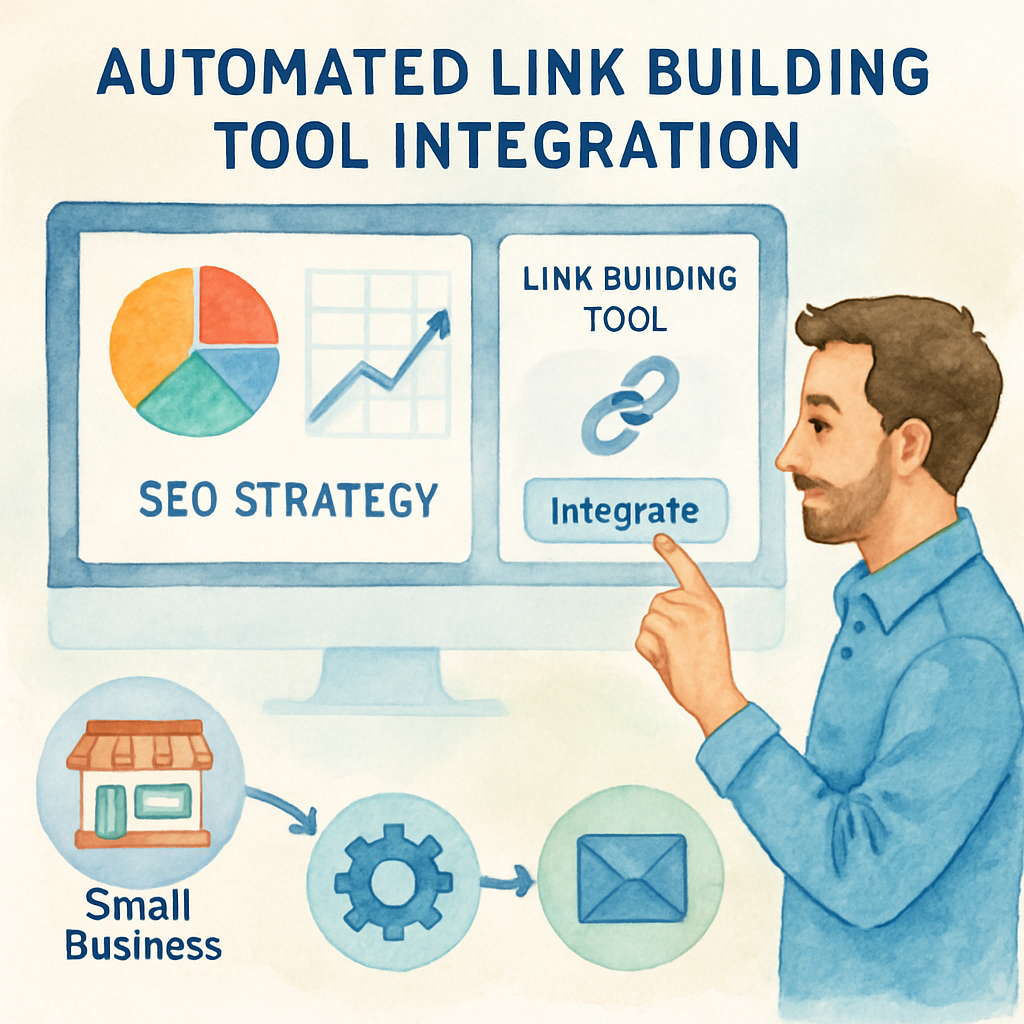
Common Pitfalls and How to Avoid Them When Using Automated Link Building Tools
Let’s be real: automated link building tools sound like a dream come true, right? Set it and forget it — backlinks start rolling in, boosts to your SEO just happen. But that’s where things get tricky.
Automating link building without care is kind of like trying to speed-run a conversation at a party. You might appear everywhere, but no one really listens, and worse, some folks might think you’re just spammy.
Chasing Quantity Over Quality
This is the classic trap that almost everyone falls into when diving into automated link building. The idea that more links = better results is tempting, but Google isn’t buying it anymore. Low-quality or irrelevant links can sour your backlink profile faster than you can say “penalty”.
It’s not just a theory: experts like those behind All in One SEO emphasize focusing on quality over sheer volume. Automated tools can sometimes spam link directories or create profiles on sketchy sites that do more harm than good.
Ignoring Relevance and Context
Here’s what really matters: links that come from websites related to your niche, with content that connects naturally to yours. Automated tools that don’t account for this contextual nuance tend to shoot blanks.
Ever noticed weird backlinks from random industries or countries your business doesn’t serve? That’s a red flag that your automation is too broad or poorly targeted. Contextual backlinks carry weight because they make sense to both users and search engines.
Overlooking Google's Guidelines
This one’s a deal-breaker. Google is sharp. Really sharp. It can sniff out unnatural link patterns faster than you can set up a campaign. Tools that promise “automatic backlinks” with zero human input often violate Google’s rules, risking penalties that tank your ranking and traffic.
So, what’s the safe zone? Use automation to assist your strategy, not replace it. For example, tools that help discover real opportunities or streamline outreach are gold. But fully hands-off link creation is playing with fire.
Neglecting Ongoing Monitoring and Cleanup
Imagine building a beautiful house but never checking if the foundation cracks or bricks fall off. Maintaining your backlink profile requires constant attention. Lost or toxic backlinks can creep in and drag you down.
Some automated tools have backlink monitoring features, alerting you to lost links or harmful ones. If yours doesn’t, you’ll want to combine your approach with a dedicated monitoring solution. Tools like All in One SEO’s Link Assistant or similar platforms can help manage this process without drowning in data.
How to Dodge These Pitfalls?
Start by setting clear goals: What kind of backlinks actually help your specific business? Then, pick automation that supports, not replaces, smart strategy.
Vet the tools carefully. Does it prioritize relevance? Can it filter low-quality sites? Does it encourage outreach that feels personal, not robotic?
And this is key: combine automated processes with your judgment. Review suggested opportunities. Craft outreach emails thoughtfully. Keep a pulse on the health of your backlinks.
Think about Rebelgrowth’s approach — automating content generation and backlink building based on your niche analysis. It’s a guided automation that stays on the right track. That’s the kind of balance you want.
Lastly, don’t underestimate the power of patience. Building a solid backlink profile doesn’t happen overnight, even with the best automated link building tool for small businesses. But avoiding these pitfalls means you’re laying the groundwork for sustainable growth, not a quick crash.
So, ready to make your backlink strategy work smarter, not harder? Keep your eyes open for tools that respect SEO best practices and always stay hands-on enough to steer clear of the SEO black hole.
Conclusion
Honestly, navigating the maze of link building can feel overwhelming—like trying to hold water in your hands. You want results but without wasting hours chasing dead ends or risking penalties. That’s why finding the best automated link building tool for small businesses isn’t just a nice-to-have, it’s essential.
Here’s the thing: automation isn’t meant to replace your smarts. It’s there to lighten the load and keep you focused on strategy. If you pair a solid tool with your judgment, you’re not just building links—you’re crafting real connections that boost your site’s authority.
Think about the peace of mind you get when your backlink profile grows steadily, without the anxiety of a sudden drop. Wouldn’t you rather your time go into refining your content or sharpening your outreach than endless manual searches?
So, what should you take away? Choose tools that respect quality over quantity, keep you in control, and integrate with your unique goals. And don’t rush—link building is a marathon, not a sprint.
Ready to step up your game? Start experimenting cautiously. Track what works, ditch what doesn’t, and remember: smart automation paired with your insight is the winning combo to build lasting SEO strength.
Frequently Asked Questions (FAQ)
What exactly is an automated link building tool, and why should small businesses care?
Think of it like having a little SEO helper working behind the scenes while you focus on what you do best—running your business. An automated link building tool streamlines finding and securing quality backlinks without the endless hours of manual outreach. For small businesses, where time and resources are tight, this means you get better SEO results without burning out.
Plus, it’s not just about volume. Good tools prioritize building meaningful links that actually boost your site's authority, rather than scattershot tactics that scream “spam.”
Isn’t automated link building risky? Can it hurt my site's rankings?
It’s a fair worry. Automated tools can definitely go sideways if used recklessly—think low-quality links or black-hat tactics. But the best automated link building tool for small businesses respects SEO guidelines and focuses on quality. When paired with your attention and judgment, these tools actually reduce risks by avoiding sketchy link sources and tracking your backlink profile closely.
One quick tip: don’t just set and forget. Use automation to handle grunt work but keep human eyes on the final choices.
How much time can I realistically save using these tools?
If you’ve ever tried manual link building, you know it’s a slog. Researching prospects, crafting emails, following up—it eats entire days. Automated tools can cut that down to hours or even minutes by handling prospecting and some outreach automatically.
Imagine swapping out eight hours a week of tedious tasks for more time creating content or engaging with customers.
Are these tools easy to use for someone who’s not an SEO expert?
Some can be intimidating, but many are designed with small business owners and marketers in mind. The trick is finding tools that offer intuitive dashboards and don’t drown you in complicated settings.
Look for platforms that provide clear insights and actionable suggestions rather than just raw data. That way, you’re not left guessing what to do next.
What features should small businesses prioritize when choosing an automated link building tool?
Quality over quantity, always. The ability to analyze your niche and competitors to find relevant link opportunities is a game-changer. Integration with your content strategy, transparency in link sources, and the flexibility to customize campaigns based on your goals are also crucial.
Bonus points if the tool helps you track results and spot potential risks before they become problems.
Can automated link building replace a full SEO strategy?
Not quite. Link building is a powerful piece of the puzzle, but SEO is broad—it includes on-page factors, content quality, technical health, and more. Automated tools play a supporting role by freeing you to focus on these other areas.
Think of automation as your tireless assistant, not the entire pit crew. Your insight and creativity remain the driving force behind lasting success.
How do I start experimenting with an automated link building tool without blowing my budget?
Start small. Pick a tool that offers trial periods or flexible plans that scale with your needs. Focus on testing a few campaigns, tracking performance, and learning what works for your niche.
Remember, this isn’t a race. A steady, thoughtful approach lets you refine your strategy without the stress of big upfront investments.
So, ready to make your link building less of a headache? Try to find a tool that feels like an extension of your team—the kind you trust to handle the grunt work so you can keep your eyes on the bigger picture.