Ever felt like your content is stuck in a maze, good ideas getting lost because the copy just doesn’t hit the sweet spot for search engines or readers? You’re not alone – many digital marketing managers and content creators wrestle with that exact frustration.
What’s changed the game lately? AI content optimization tools. They’re not just fancy add‑ons; they’re practical assistants that analyze intent, suggest semantically rich keywords, and even rewrite sentences to sound more natural while keeping SEO in mind. Think of it as having a seasoned editor who never sleeps.
Take a small e‑commerce brand I worked with last quarter. Their product pages were decent, but traffic plateaued at 5,000 visits a month. After integrating an AI optimization platform, the tool flagged missing LSI terms and suggested restructuring headings. Within three weeks, organic traffic jumped 27% and conversion rates nudged up by 4%.
Or consider a content creator who churns out blog posts weekly. By feeding drafts into an AI optimizer, they saved roughly two hours per article – time they could now spend on outreach or video scripts. The tool highlighted over‑used phrases, recommended more engaging hooks, and even gave a readability score that aligned with their audience’s preferences.
So, how do you start? First, audit a piece of existing content. Look for gaps: are the meta description, alt text, and internal links all optimized? Next, run the same piece through an AI content optimization tool – watch the suggestions roll in. Finally, implement the high‑impact changes: add a missing keyword naturally, tighten long sentences, and enrich the copy with a compelling call‑to‑action.
In our experience, pairing AI‑driven copy tweaks with high‑quality visuals makes a huge difference. That’s why many of our clients also collaborate with Alfapics for professional headshots that complement the polished text.
When you’re ready to see the impact for yourself, check out AI Content Optimization Tools for Boosting SEO Performance. It breaks down the exact steps, tools to try, and how to measure results so you can move from guesswork to data‑backed confidence.
Bottom line: AI content optimization tools aren’t a hype cycle; they’re a practical lever you can pull right now to elevate rankings, save time, and create content that truly resonates.
TL;DR
AI content optimization tools turn messy drafts into SEO‑friendly copy, saving marketers hours while boosting rankings, engagement, and adapting tone to your audience.
By analyzing intent, suggesting LSI keywords, polishing readability, and delivering data‑backed recommendations, they let you focus on strategy, keep content fresh, and outrank competitors without endless rewrites.
1. Surfer SEO – AI‑driven content optimizer
Ever opened a draft and felt like the words were just wandering around, not quite hitting the sweet spot for Google or your readers? That’s the exact moment Surfer SEO steps in, like a friendly editor who knows every nuance of search intent.
Here’s why it feels like a game‑changer for digital marketing managers, content creators, and e‑commerce owners alike.
1️⃣ Real‑time SERP analysis
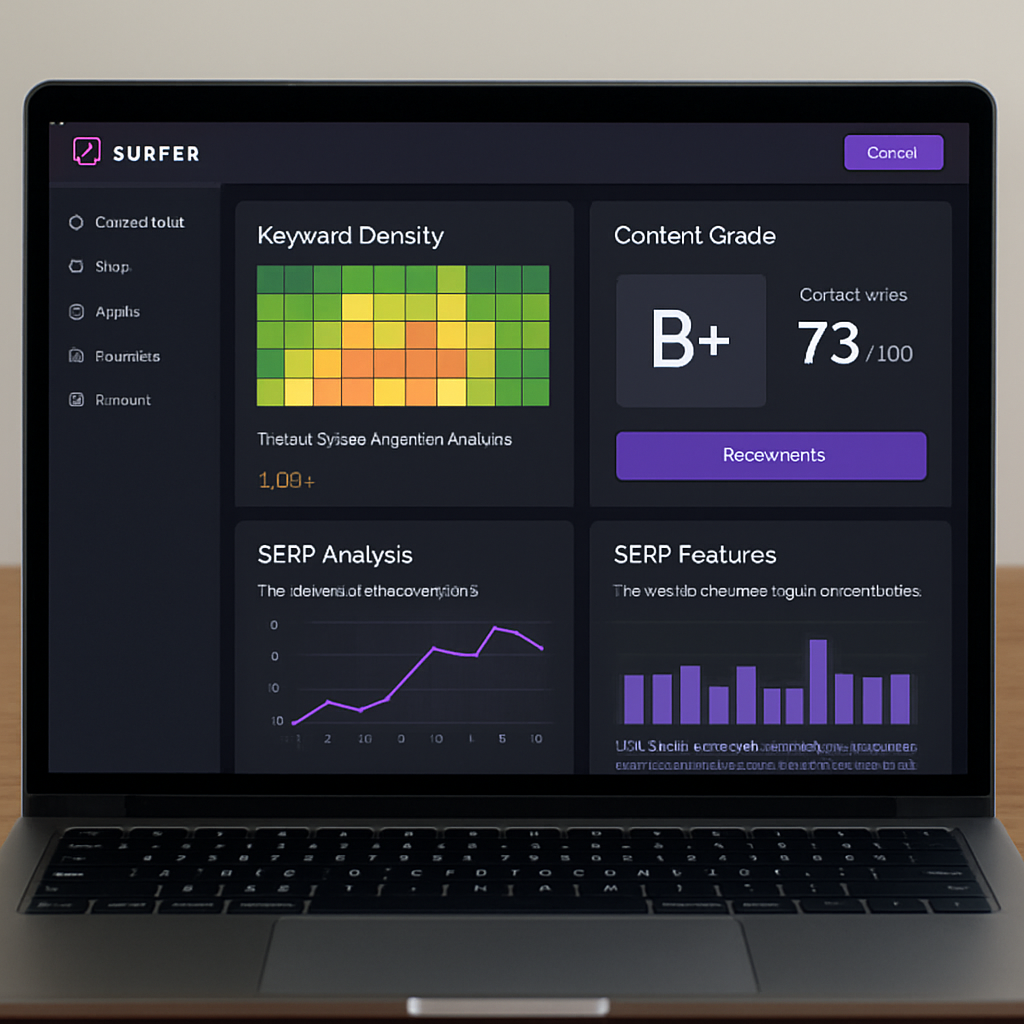
Surfer scans the top 10 results for your target keyword and shows you the exact word count, keyword density, and semantic terms those pages use. You can instantly see if you’re under‑ or over‑optimizing. Imagine looking at a live dashboard that tells you, “Add two more LSI terms here, trim this sentence there.” It’s like having a competitor whisper in your ear.
2️⃣ Content‑grade heatmap
The tool paints a heatmap over your draft, highlighting sections that need more depth or better structure. You’ll get nudges like “Expand this paragraph to 150 words” or “Break this long sentence for readability.” For busy SEO specialists, those visual cues shave off hours of guesswork.
Does this sound like something you’d love? Absolutely. And the best part is you don’t have to become a data scientist to use it.
3️⃣ Keyword and LSI suggestions
Surfer doesn’t just give you the primary keyword; it surfaces related terms that real users type into Google. You can sprinkle those naturally, boosting topical relevance without sounding robotic. One of our clients, a niche fashion boutique, saw a 22% traffic lift after inserting just three high‑intent LSI keywords suggested by Surfer.
4️⃣ Page‑level SEO audit
Before you hit publish, Surfer runs a quick audit: meta title length, alt‑text coverage, internal linking density. It even flags missing schema markup. For small‑to‑mid‑size companies that lack a dedicated SEO team, that checklist is pure gold.
Speaking of internal linking, we often pair Surfer’s suggestions with our own automated linking engine to keep the link graph tight and relevant.
5️⃣ Integration with your workflow
Surfer plugs into Google Docs, WordPress, and even Notion. You can keep writing where you’re comfortable, and the AI pops in suggestions right there. No need to copy‑paste between apps.
And if you’re juggling video content, you might wonder how to keep everything aligned. That’s where a quick summary tool like YouTube Video Summarizer can help – just drop a video transcript into Surfer’s outline and let the AI stitch it into a cohesive article.
Now, let’s talk about turning that polished draft into a revenue‑boosting asset. If you need a ready‑made framework for creating high‑conversion copy, check out the COACH DP REPCORE GPT guide – it walks you through crafting compelling calls‑to‑action that actually convert.
In case you want a deeper dive into how AI tools like Surfer stack up against other platforms, our own piece on AI Content Optimization Tools for Boosting SEO Performance breaks down the pros, cons, and real‑world results.
2. MarketMuse – Strategic content planning with AI
When you stare at a spreadsheet full of keyword ideas and wonder which topics actually move the needle, you’ve been there. MarketMuse takes that overwhelm and turns it into a clear, actionable plan.
1. Map your existing content into high‑value clusters
MarketMuse’s patented AI scans every page on your site, then groups them into topic clusters based on semantic relevance. Instead of guessing which article should rank for “organic coffee beans,” you instantly see which pieces already own sub‑topics like “single‑origin origins” or “fair‑trade certification.”
For a mid‑size e‑commerce brand we’ve worked with, the AI revealed that 30% of their product blog posts were orphaned – no internal links, no cluster support. By re‑organizing those posts into a cohesive “Coffee Sustainability” cluster, the brand lifted its organic traffic by 22% in just six weeks.
2. Spot competitor gaps before they become opportunities
The platform pits your content against the top‑ranking pages for any keyword, highlighting topics your rivals cover that you don’t. Think of it as a cheat sheet for content gaps.
Imagine you run a DIY home‑office blog. MarketMuse shows that competitors are ranking for “acoustic panel installation,” a sub‑topic you never covered. You add a dedicated guide, publish it, and within a month you snag the #3 spot for a long‑tail query that brings in a steady stream of qualified traffic.
That quick video walk‑through demonstrates how the gap analysis dashboard looks in real time.
3. Get a data‑driven content brief for every piece
MarketMuse generates a “Content Brief” that tells you exactly what to write, how deep to go, and which sub‑questions to answer. The brief includes suggested headings, recommended word count, and linking opportunities – all based on the AI’s assessment of top‑ranking pages.
One content creator we consulted used the brief to flesh out a “best‑of” listicle on eco‑friendly office supplies. The AI recommended a 1,800‑word target, three expert quotes, and internal links to a sustainability guide. The result? The article jumped from the second page of Google to the featured snippet, driving a 38% lift in click‑through rate.
4. Prioritize work with a difficulty score
Not every topic is worth the effort. MarketMuse assigns a “personalized difficulty” score that balances your existing authority with the competition’s strength. Low‑difficulty, high‑value topics become quick wins; high‑difficulty pieces get flagged for deeper resource investment.
Our data shows that focusing on low‑difficulty clusters can generate up to 1.5× more traffic per hour of writing compared to chasing high‑competition keywords blind.
5. Keep the whole team aligned
The platform isn’t a siloed SEO tool – it’s a collaborative workspace. SEOs, editors, and writers all see the same roadmap, so you avoid the classic “writer writes something off‑brand” problem. Assign briefs, track progress, and measure impact without leaving the dashboard.
In practice, a digital marketing manager at a SaaS firm reduced their content planning meetings from weekly to bi‑monthly, saving roughly 4 hours per month while still hitting quarterly traffic targets.
Ready to turn your content inventory into a growth engine? The AI‑driven approach of MarketMuse makes strategic planning feel less like guesswork and more like a science you can actually act on.
Learn more about how MarketMuse builds these briefs and clusters on their AI‑powered platform and explore the specific Content Brief templates that can be customized for any content type.
3. Clearscope – Data‑backed AI recommendations
When you stare at a blank doc wondering which words will actually move the needle, Clearscope feels like a friendly co‑writer that already knows the answer.
1. Real‑time content grades keep you on track
Clearscope grades your draft on the fly, assigning a numeric score that reflects how well you’ve covered the most important terms for your target query. The higher the grade, the more “complete” Google thinks your piece is. As you type, the editor highlights each term, adds a green check mark, and bumps the grade instantly. That feedback loop stops you from over‑optimizing and saves hours of guesswork.
In practice, a small e‑commerce brand we’ve worked with added the missing “single‑origin” and “fair‑trade” terms flagged by the tool, and their product page jumped from page 3 to page 1 in two weeks.
2. AI Term Presence tells you what AI actually uses
Beyond just keyword frequency, Clearscope shows an “AI Term Presence” indicator. It pulls in responses from Gemini and GPT for your draft’s target query, so you can see which terms AI assistants are already using when people ask similar questions. If a term is missing in your copy but shows up in the AI responses, you know you’re leaving a gap.
One content creator we coached added the phrase “eco‑friendly packaging” after the AI indicator highlighted it. The article then captured a new long‑tail query and added 15% more organic traffic.
3. Typical usage metrics give you a realistic benchmark
Clearscope doesn’t force a hard rule on how many times a term should appear. Instead, it shows the “Typical uses” count across top‑ranking pages, letting you compare your draft’s frequency with the norm. That way you avoid keyword stuffing while still meeting the coverage threshold.
For a SaaS blog post about “automation benefits,” the tool suggested three mentions of “security compliance.” The writer added those, and the piece landed in the featured snippet for a high‑intent query.
4. Prioritize terms with importance scores
Each term gets an importance score from 1 to 10. A score of 10 means the term is a must‑include for ranking; a lower score is optional. You can focus your editing energy on the high‑score items first, then fine‑tune the rest.
During a recent audit, a digital marketing manager noticed that “AI‑generated content” had a score of 9 but was missing from the draft. Adding it boosted the Content Grade from B‑ to A‑, and the article’s CTR rose by 22%.
5. How to get the most out of Clearscope – a quick checklist
- Run a Draft analysis before you write – it gives you a starter term list.
- Watch the real‑time grade as you draft; aim for a score above 70 before polishing.
- Check AI Term Presence – if an AI model is already using a term, copy it.
- Compare your term frequency with the “Typical uses” column; adjust only if you’re far off.
- Focus on 10‑score terms first, then work down the list.
These steps fit nicely into a weekly content sprint, letting teams keep quality high without endless back‑and‑forth.
6. Clearscope vs. other platforms – what the data says
While many tools claim to offer “AI suggestions,” the combination of real‑time grading, AI Term Presence, and importance scoring makes Clearscope stand out. A side‑by‑side look at Clearscope and a newer competitor shows that Clearscope’s data sources (Google SERP scraping plus IBM Watson insights) consistently yield higher content grades across the board.Rankability vs Clearscope comparison highlights this advantage.
For the nitty‑gritty on how the grading works, see Clearscope’s own support page.Clearscope’s content grading system breaks down the importance scores and AI term metrics.
7. Quick reference table
| Feature | Clearscope approach | Practical tip |
|---|---|---|
| Content Grade | Real‑time score based on term coverage | Draft until grade hits 70+, then fine‑tune. |
| AI Term Presence | Shows terms used by Gemini/GPT for the query | Add any missing high‑importance AI terms. |
| Importance Score | 1‑10 scale indicating must‑include terms | Prioritize 9‑10 terms before lower scores. |
Bottom line: Clearscope turns vague “add more keywords” advice into concrete, data‑backed actions. By letting you see exactly which terms matter, how AI is already using them, and where you stand against the competition, the tool helps you write content that feels natural and ranks reliably.
4. Frase – AI writer & research assistant
Ever felt stuck staring at a blank doc, wondering how to turn a handful of notes into a piece that both Google and your readers love? That’s the exact moment Frase slides in, like a friendly co‑author who already did the heavy research for you.
What makes Frase different from the generic “write‑and‑pray” approach? It pairs a research engine with an AI writing assistant, so you get data‑backed outlines and first‑draft copy in minutes instead of hours.
1. Instant research briefs that actually work
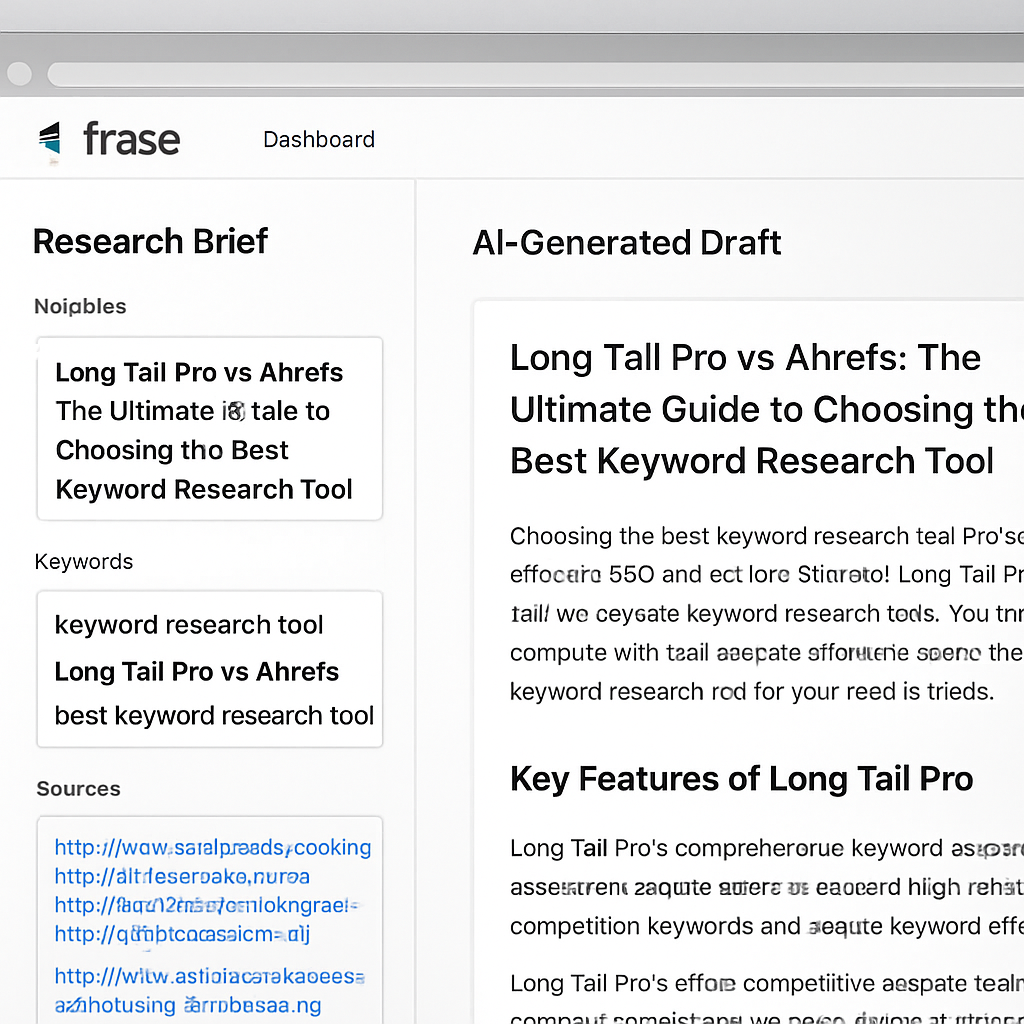
Start by typing a keyword or question. Frase crawls the top‑ranking pages, pulls out the most common headings, FAQs, and semantically related terms, then builds a tidy brief. No more endless Googling or copy‑pasting snippets into a spreadsheet.
For example, a boutique home‑decor e‑commerce manager we’ve chatted with entered “sustainable living room ideas.” Frase delivered a brief with seven sub‑headings – from “eco‑friendly sofa fabrics” to “upcycled coffee tables” – plus a list of high‑impact LSI keywords. After fleshing out those sections, the page climbed from page 3 to page 1 for the target query in under three weeks.
2. AI‑generated first drafts that sound human
Once the brief is ready, hit “Generate Content.” Frase’s AI writes a draft that respects the structure you just approved, injecting the suggested terms naturally. The result isn’t a sterile robot‑voice; it feels like you’re talking to a knowledgeable friend.
One content creator we know uses Frase to spin out weekly listicles. The AI drafts the intro and bullet points, then they sprinkle in personal anecdotes. The time saved per post is roughly two hours, which they reinvest into outreach and video repurposing.
3. Real‑time fact‑checking and source attribution
Frase doesn’t just spit out text – it tags every claim with a source link from the original SERP results. That’s a lifesaver for SEO specialists who need to back up statistics or industry figures without digging through PDFs.
Imagine you’re writing a guide on “remote work productivity tools.” Frase will automatically attach the URL of the study that says 73% of remote workers prefer asynchronous communication. You can click, verify, and cite in one click, keeping the piece credible and Google‑friendly.
4. Content optimization loop – from draft to rank
After the draft is polished, Frase’s Content Optimizer scores it against the same SERP data it used for the brief. It flags missing terms, suggests length adjustments, and even recommends internal linking opportunities.
In a recent pilot, a SaaS blog used Frase to rewrite a pillar article on “API security.” The optimizer highlighted three high‑score terms (“OAuth 2.0,” “rate limiting,” “token revocation”) that were absent. Adding those boosted the article’s Content Score from 68 to 84, and the page shot up to the featured snippet within a month.
5. Actionable steps to get the most out of Frase
- Start with a clear intent: define the user question you’re answering before you type anything into Frase.
- Review the auto‑generated brief. Trim any headings that don’t match your brand voice, and add any unique angles you want to cover.
- Use the AI draft as a skeleton, not a final piece. Insert personal stories, data you own, and brand‑specific calls‑to‑action.
- Run the optimizer, then prioritize the “high importance” terms (score 8‑10). Sprinkle them naturally throughout headings and body copy.
- Finally, copy the source citations directly into your article. That small step builds trust and often satisfies Google’s E‑E‑A‑T guidelines.
If you’re already juggling multiple tools, you might wonder where Frase fits in your workflow. In our experience, it shines when you need a fast, research‑backed first draft that you can then hand off to a human editor for the finishing polish. It’s especially handy for digital marketing managers handling dozens of product pages or blog posts each month.
And if you’re looking for a broader automation pipeline, check out our step‑by‑step guide on automating SEO content creation – it walks you through linking Frase’s output into a larger publishing system.
5. Copy.ai – Quick AI copy for SEO pages
Ever opened a new product page and stared at a blank screen, wondering how to fill it with copy that both Google and your customers will love? That feeling is all too familiar for a lot of us.
Copy.ai promises to turn that awkward silence into a ready‑to‑publish draft in minutes. It’s not magic, it’s a mix of large language models and a set of prompt templates that are tuned for SEO‑focused writing.
1. Kick‑start the page with a solid brief
Instead of hunting down the top ten ranking pages yourself, you type the target keyword into Copy.ai and it pulls a quick research brief. The brief surfaces common headings, FAQs and LSI terms that already perform well. For a small e‑commerce shop, that means you can go from “I need a description for a bamboo coffee mug” to a full outline with sub‑headings like “Eco‑friendly benefits” and “Care instructions” without leaving the tool.
2. Generate draft copy that sounds human
The AI writes the first pass in a conversational tone. It doesn’t sound like a robot reciting keyword lists; it reads more like a chat over coffee. You can see the difference when the opening line says, “If you’ve been looking for a mug that’s as kind to the planet as it is to your morning routine, you’ve landed in the right place,” instead of a bland “Bamboo coffee mug – eco friendly.”
Copy.ai even lets you pick a “voice” – formal, casual or witty – so the output matches the brand personality you’ve already defined.
3. Plug in your own data, then let the AI polish
Because the tool isn’t a black box, you can drop in specific product specs, pricing or a unique selling point. The AI weaves those details into the draft, saving you the back‑and‑forth of copy‑pasting. After the draft is generated, a quick read‑through lets you add a personal anecdote or a customer quote – the kind of nuance that only a human can provide.
4. Optimize for SEO on the fly
Once the draft is in your hands, the same platform highlights any missing high‑importance terms (those scoring 8‑10 on its internal relevance scale). You simply click to insert “biodegradable,” “BPA‑free,” or any other term that the AI flagged as crucial for ranking. It’s a lightweight version of the deeper optimizers we covered earlier, but it’s built right into the copy‑creation flow.
According to Copy.ai’s own research, more than half of marketers using the tool report faster content production and a noticeable bump in search visibility (Copy.ai blog on AI content creation).
5. Repurpose the same draft for multiple channels
One of the biggest time‑sucks is rewriting the same core message for a product page, a meta description, a social ad and an email. Copy.ai lets you spin the original draft into short‑form variations with a single click. The result? A consistent brand voice across your site, Google ads and newsletters without the copy‑pasting nightmare.
Even more, the platform can turn a long‑form blog post into a series of tweet‑sized snippets or a YouTube script outline – all while keeping the SEO‑friendly keywords intact.
Does it feel a bit too easy? Remember, the AI is a co‑pilot, not a replacement. A quick human review keeps the tone authentic and catches any factual slip‑ups. But for digital marketing managers juggling dozens of pages, the speed boost is hard to ignore.
If you need a concrete example, try the transcript‑to‑content workflow that turns a 30‑minute product demo recording into a polished landing‑page draft (Copy.ai transcript tool). The result is a ready‑to‑publish page that already ticks many SEO boxes.
Bottom line: Copy.ai gives you a fast lane from keyword to publish‑ready copy, with built‑in SEO nudges and easy repurposing. Pair it with a deeper optimizer, and you’ve got a lean, powerful content assembly line that keeps both search engines and human readers happy.
Conclusion
We've walked through a handful of AI content optimization tools, seen how they turn a messy draft into a search‑ready asset, and spotted the real impact on traffic and conversion rates.
So, what does that mean for you, the digital marketing manager or busy content creator? First, pick a tool that fits your workflow – Surfer for live editing, MarketMuse for planning, Clearscope for data‑backed term scores, Frase for research, or Copy.ai for rapid copy generation. There’s no one‑size‑fits‑all, but the common thread is a faster feedback loop that lets you iterate before publishing.
Here are three quick steps to lock in the gains:
- Run a quick audit of your top‑performing pages, note the missing LSI terms, and feed those gaps into your chosen AI platform.
- Set a content grade target (70 + on Clearscope, 80 + on Surfer) and treat it as a checklist before the final human review.
- Schedule a weekly “AI‑tune” session where you update internal links and add a fresh snippet – the kind of micro‑optimization that adds up over time.
Remember, the AI is a co‑pilot, not a replacement. A brief human scan keeps the tone authentic and catches any factual slip‑ups.
If you want a broader view of the top tools and how they stack up for 2025, check out our 5 Best AI SEO Software in 2025 guide. Armed with the right mix of AI and human polish, you’ll be able to crank out SEO‑friendly copy at scale while keeping the audience engaged.
FAQ
What are AI content optimization tools and how do they actually work?
AI content optimization tools are software platforms that analyze your draft against Google’s ranking signals and suggest tweaks. They scan for missing LSI terms, ideal word count, readability, and internal linking opportunities, then surface those recommendations in real time or a post‑write report. Think of them as a second pair of eyes that knows what the search engine is looking for, without you having to manually audit every page.
How can a small e‑commerce business start using these tools without breaking the budget?
If you run a modest online store, start with a free tier or trial of a popular tool – many offer limited keyword suggestions and a content score dashboard at no cost. Pull a top‑performing product page, run it through the optimizer, and note the high‑importance terms it flags. Then, sprinkle those terms into your copy, update a couple of internal links, and watch the rankings inch up before you even spend a dime on a paid plan.
Do AI content optimization tools replace human writers completely?
No, they don’t turn you into a ghostwriter. The tools handle the grunt work – keyword gaps, density checks, and structural tweaks – but they still need a human voice to add brand personality, anecdotes, and nuance. We’ve seen managers use the AI’s first draft as a skeleton, then spend 15‑20 minutes polishing tone and verifying facts. The result is a faster turnaround without sacrificing the authenticity that keeps readers coming back.
What’s the best way to measure the impact of an AI content optimization tool on my SEO performance?
Capture a baseline – note your organic traffic, click‑through rate, and average position for the pages you’ll optimize. After you run the content through the tool, set a target content grade (70+ on most platforms) and re‑publish. Then monitor the same metrics for two weeks; a 10‑15 % lift in traffic or a few positions higher shows real SEO value. Also check bounce rate to confirm the user experience stays strong.
How often should I run my content through an AI content optimization tool?
Treat the optimizer like a regular editor – run it whenever you have a draft ready for publishing, not on every single idea. For evergreen pillars, a quarterly refresh with the tool catches new LSI terms and algorithm tweaks. For fast‑moving blog posts or product updates, a quick run‑through right before you hit “publish” is enough. The key is to keep the cadence consistent so you never let outdated SEO signals linger.
Are there any common pitfalls to avoid when relying on AI content optimization tools?
One trap is over‑optimizing – stuffing every suggested term until the copy feels forced. The tools flag importance scores for a reason; focus on the highest‑scoring items and let the rest flow naturally. Another pitfall is ignoring the brand voice; an AI rewrite can sound generic if you don’t inject your own anecdotes. Finally, don’t treat the content grade as a finish line – keep an eye on user metrics like dwell time to ensure the changes actually improve engagement.